
We are reader supported. When you purchase through links on our site, we may earn an affiliate commission. Also, as an Amazon affiliate, we earn from qualifying purchases.
The strike zone shapes every pitch, every at-bat, and often the final score. Yet for decades, fans and teams could only guess how well the home plate umpire performed on a given night. An umpire scorecard changes that. It turns a subjective impression into a structured report. With clear metrics and consistent methods, it shows how accurate and consistent the plate calls were, which team benefited, and how much those calls affected the game. This guide explains what an umpire scorecard is, how it works, how to read it, why it matters, and how to use it without losing sight of the bigger picture of the sport.
Introduction
Umpire scorecards answer a simple question with disciplined methods: how well did the home plate umpire call balls and strikes in a single game. The scorecard does not judge personality or intent. It measures pitch location, compares each call to the strike zone, and summarizes the results with a few clear metrics. Fans can quickly see whether calls leaned toward one team. Players and coaches can adjust game plans based on an umpire’s zone. Broadcasters gain context for key moments. Analysts can track trends across seasons.
If you have ever wondered why that low pitch was a strike on one batter and a ball on another, a scorecard gives you a structured way to check. Keep reading to learn what the metrics mean, how they are built, and how to interpret them with fairness and care.
What Is an Umpire Scorecard
An umpire scorecard is a standardized game report that evaluates a home plate umpire’s performance on called balls and strikes. It compares each called pitch to a defined strike zone and aggregates the results into clear, comparable metrics. Most scorecards include accuracy, consistency, favor toward a team, and estimated impact on run expectancy.
The data driving a scorecard comes from pitch tracking systems that record the baseball’s location as it crosses the plate. Each pitch receives a label, such as called strike or called ball, and a measured location. The scorecard checks whether that label matches the zone. It then summarizes the game into a few numbers that are easy to read at a glance and strong enough to track over time.
Why Umpire Scorecards Matter
Clarity for Fans
Fans want to know whether a close game turned on the strike zone or the swings. A scorecard gives concrete answers with transparent metrics. It reduces debate to facts that can be checked and compared.
Feedback for Players and Coaches
Catchers, pitchers, and hitters need to understand how a zone played. If the umpire called the high edge tightly, pitchers can target that lane with more confidence the next time. If the low edge was narrow, hitters can adjust their takes. This feedback loop speeds learning.
Context for Media and Officials
Broadcasters can use the numbers to clarify key moments and avoid speculation. Leagues can monitor performance across the season and support training and review. Scorecards supply an evidence base for ongoing improvement.
The Core Metrics Explained
Overall Accuracy
Accuracy is the share of called pitches the umpire got correct. If the pitch was a called strike and inside the zone, that is correct. If it was a called ball and outside the zone, that is correct. Accuracy sums these correct calls and divides by all called pitches. Swings do not count because the umpire did not make a ball or strike call on them.
Typical game accuracy at the major league level often lands in the low to mid 90s as a percentage. One or two big misses in high leverage spots will draw attention, but accuracy measures the whole game, not one moment. When accuracy falls well below the usual range, you can expect a larger estimated impact on run expectancy.
Consistency
Consistency measures how uniform the umpire’s zone was throughout the game. A consistent zone applies the same boundary on both sides of the plate and to both teams, and it remains steady from inning to inning. In practical terms, consistency evaluates how tightly the umpire clustered called strikes near the expected zone edge and whether that edge shifted.
An umpire can be accurate on average yet inconsistent on the margins. That occurs when some edge pitches are called strikes and similar ones later are called balls. Consistency helps teams plan. If the boundary is predictable, pitch calling becomes more efficient and hitters make better swing decisions.
Favor
Favor summarizes which team benefited from missed calls. It is often expressed as extra strikes awarded to one team over the other. Extra strikes matter because they change counts, and counts drive outcomes. A plus in favor means one team saw more benefit from mistakes, while a minus means the other team did.
Favor by itself does not say the umpire preferred a team. It reflects the net effect of errors. Pitch distribution can influence favor. A staff that lives on the edges can create more chances for both correct and incorrect strike calls. Always read favor alongside accuracy and consistency.
Impact on Run Expectancy
Impact estimates how much the missed calls changed expected runs. It uses a run expectancy model that assigns average run values to counts and base-out states. When a call turns a 2-1 count into 1-2 instead of 3-1, the change in run expectancy is computed and added to the total. The result is a game-level swing in expected runs attributed to missed calls.
This metric captures context. A missed strike in a high leverage spot will carry more weight than the same miss with two outs and nobody on in a blowout. Impact is a guide to the practical effect of mistakes rather than a simple tally of them.
Where the Data Comes From
Pitch Tracking Systems
Modern scorecards rely on pitch tracking technologies that record the baseball as it crosses home plate. In recent seasons, systems like Hawk-Eye have replaced earlier optical systems, offering higher frame rates and more precise 3D tracking. Each pitch gets a measured path and a location at the plate, plus context like batter, pitcher, count, and base-out state.
Defining the Strike Zone
The strike zone must reflect the rulebook and the batter’s stance. Tracking systems capture each batter’s top and bottom zone boundaries based on measured heights. Horizontally, the plate width defines the boundary with allowance for the ball’s diameter. The scorecard compares the tracked location against these personalized limits to judge a call.
Some scorecards also use probabilistic models to manage uncertainty near the edges. Pitches that land well within or well outside the zone are labeled with high confidence. Borderline pitches are treated with caution. This approach improves fairness by acknowledging that even precise systems carry small measurement errors.
How a Scorecard Is Built
Step 1: Collect and Clean the Data
The process begins by gathering all called pitches from the game. Each entry includes the pitch location as it crossed the plate, the umpire’s call, batter identity and stance parameters, and the game state. Quality checks remove obvious tracking errors and mismatched labels.
Step 2: Apply the Zone
Next, the model compares each called pitch to the strike zone personalized to the batter. If the pitch falls inside the zone and was called a strike, it is correct. If it falls outside and was called a ball, it is also correct. Anything else is an error. Borderline logic may mark certain tiny deviations as inconclusive or downweight them to avoid overreacting to measurement noise.
Step 3: Compute Accuracy and Consistency
Accuracy is a direct ratio of correct called pitches to all called pitches. Consistency requires analysis of the boundary behavior. Methods include checking whether the effective strike threshold drifts left or right, high or low, and whether that threshold differs by team or gets looser or tighter over time. The scorecard turns these checks into a single consistency percentage or score for easier reading.
Step 4: Measure Favor and Impact
Favor counts net extra strikes for each team due to errors. Impact uses a run expectancy matrix. For every missed call, the model compares the run value of the actual count and state with the run value of the correct count and state, then sums the differences by team. The final number shows the expected run swing caused by missed calls.
Step 5: Summarize and Visualize
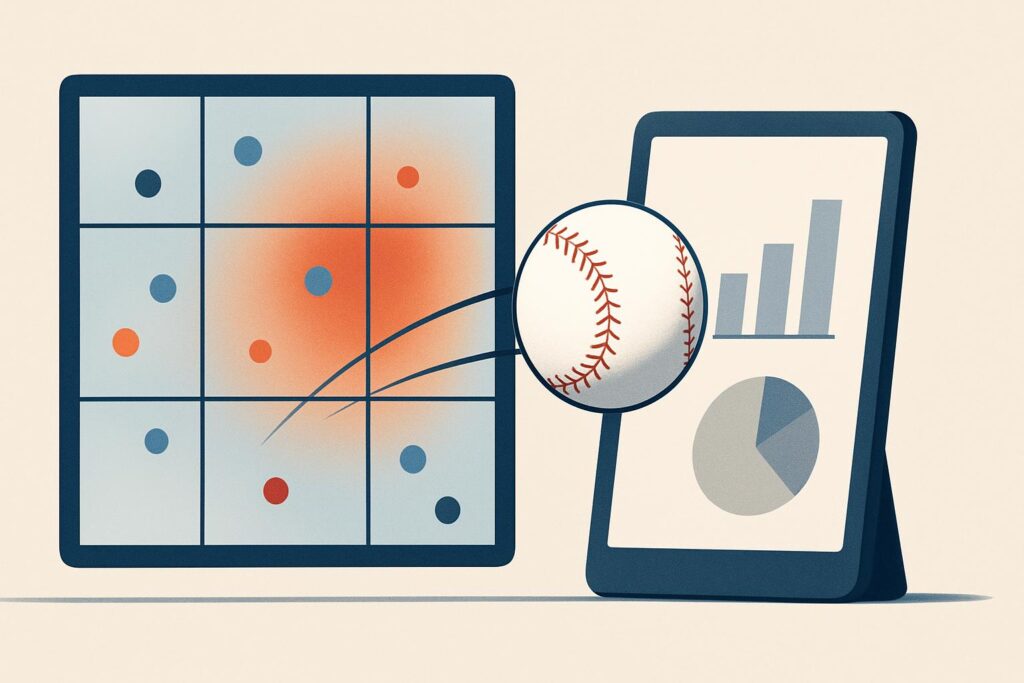
The scorecard compiles the results into a clean summary. Many include a heatmap of the called strike zone, a list of the most impactful missed calls, and per-inning breakdowns. The key is readability. A good scorecard delivers enough detail to audit the results while keeping the headline metrics front and center.
How to Read an Umpire Scorecard
Start with Accuracy
Check the overall accuracy percentage. Compare it to typical game ranges. If accuracy is significantly lower than usual, expect larger swings in impact. If it is high, missed calls likely played a smaller role, even if one miss in a big moment stands out in memory.
Compare Consistency
Look at the consistency score next. A consistent border helps both teams anticipate calls. Low consistency suggests that similar pitches were called differently, which can disrupt game plans. Combine this with the visual zone map if available to see where the edge floated.
Scan Favor and Impact Together
Favor shows who gained more extra strikes. Impact converts that into estimated run value. A team can lead favor by a small number of strikes but still see a sizable impact if those strikes landed in high leverage spots. Use both to separate quantity from consequence.
Audit the Most Impactful Misses
Many scorecards list the most impactful missed calls, often with inning, count, pitch type, and location. Reviewing these helps you understand where and how the game turned. It also shows whether misses clustered in a single zone edge or spread across the plate.
What a Scorecard Does Not Cover
Scorecards focus on home plate ball and strike calls only. They do not evaluate check swings ruled by base umpires. They do not grade tag plays, force outs, fair or foul decisions, or interference calls. They do not measure communication quality with players and coaches. A game can be managed smoothly in every other respect and still earn a lower score for plate accuracy, and the reverse can be true as well.
Common Misconceptions
Myth: A low accuracy game proves bias
Scorecards do not claim intent. They measure outcomes. Misses can cluster by chance, by pitch mix, or by matchups that concentrate edge pitches. Favor and impact quantify effects but do not ascribe motive.
Myth: One game defines an umpire
Single-game samples are volatile. Over a season, accuracy and consistency stabilize. Use individual games to understand what happened, not to brand an umpire.
Myth: All zones must match a fixed box
The rulebook zone is personalized by batter. Stance and height matter. A good scorecard reflects those adjustments, which means the shape of the zone may shift slightly from hitter to hitter while still following the rule.
Practical Uses for Teams and Players
Scouting Umpires
Clubs track how each umpire’s zone tends to play. Catchers can set up a target that aligns with the umpire’s historical border. Pitchers can design sequences that lean into called strike hot spots. Hitters can refine takes at the known soft edges.
Game Planning and Live Adjustments
Coaches monitor how the zone is called early and refine plans as the game evolves. If the top of the zone is tight, fastballs above the belt lose value for called strikes. If the outer edge is generous, off-plate sliders may earn more takes. These shifts change pitch selection and approach.
Player Development
Prospects learn plate discipline and framing with feedback tied to objective results. Framing drills can target the exact quadrants where called strike probability shifts. Hitters can practice takedowns at the edges most likely to draw a ball call under a given umpire profile.
How Broadcasters and Media Can Use Scorecards
Explain, Do Not Inflame
Bring numbers into the conversation to clarify rather than escalate. If a controversial call occurs, the scorecard can show whether it fit a consistent edge or was an outlier. This tempers debate and keeps focus on the game.
Highlight Context
Impact on run expectancy provides a grounded way to discuss consequences. It avoids cherry-picking a single miss without acknowledging its leverage. It also balances praise when an umpire delivers a tight, steady zone in a difficult game.
Educate Viewers
Short explainers on accuracy, consistency, favor, and impact build viewer literacy. Over time, audiences learn to interpret the zone with the same comfort they have with batting average or ERA.
Limitations and Sources of Error
Tracking Error and Calibration
No tracking system is perfect. Camera angles, calibration drift, and occlusion can introduce small errors. Good scorecards include safeguards near the edges to avoid overconfidence in borderline calls.
Zone Definition Debates
Reasonable people disagree over the precise implementation of the rulebook zone. Personalization by batter height, treatment of the ball diameter, and curve path when crossing the plate all factor in. Differences in methodology can lead to small shifts in reported accuracy.
Sample Size and Variance
One game represents a small sample. Pitcher command, catcher receiving skill, hitter selectivity, and weather can all affect the composition of edge pitches. This can amplify variance in accuracy and favor even with a stable underlying strike zone.
Scope of Judgment
Scorecards do not capture communication skill, game control, or base work. The craft of umpiring extends beyond balls and strikes. Treat the scorecard as one lens, not the whole picture.
Building Your Own Simple Scorecard
Data You Need
- Pitch-by-pitch tracking data with plate coordinates
- Umpire call labels for called pitches
- Batter identifiers and stance-based zone boundaries
- Game context for counts and base-out states
Workflow Outline
- Filter to called pitches only
- Apply the personalized strike zone to each pitch
- Label correct versus incorrect calls
- Compute accuracy as correct divided by total called pitches
- Estimate consistency by analyzing edge behavior across innings and sides of the plate
- Calculate favor as net extra strikes by team
- Compute impact using a run expectancy matrix to value count and state changes
- Visualize the called strike map and list top impactful misses
Quality Checks
Remove obvious tracking outliers. Inspect edge clusters for asymmetry. Cross-check a sample of pitches with video to confirm location alignment. Document your zone definition so readers can compare results across games and sources.
Comparing Human Umpires and Automated Systems
What Scorecards Reveal
Scorecards show that human umpires are highly skilled, with typical accuracy that would surprise many casual viewers. They also reveal where error patterns persist, especially on specific edges or pitch types. This helps guide training and communication.
Challenges and Hybrids
Leagues have tested automated ball-strike systems and challenge formats. Scorecards provide a common language to evaluate outcomes under both approaches. Whether a league uses full automation, a challenge system, or the current human-led model, the same metrics can describe accuracy, consistency, favor, and impact.
The Road Ahead
The future likely blends human judgment with technology-aided review. Scorecards will remain essential, both as evaluation tools and as bridges between the field and the fans. They keep the conversation grounded in evidence.
Best Practices for Using Scorecards Responsibly
Focus on Performance, Not Personalities
Discuss the numbers and the zone. Avoid personal attacks. Scorecards work best when used to learn and improve, not to inflame.
Emphasize Trends Over Single Games
Use one game to understand what happened. Use many games to assess sustained performance. This distinction lowers noise and raises insight.
Contextualize with Pitch Mix and Strategy
Edge-heavy pitchers and elite framers change the profile of called pitches. Compare like with like when assessing differences across games or umpires.
A Quick Glossary
Called Pitch
A pitch where the batter does not swing and the umpire declares ball or strike.
Strike Zone
The three-dimensional area over home plate from the midpoint between the shoulders and top of the uniform pants to the hollow beneath the kneecap, personalized by batter stance and height.
Run Expectancy
The average number of runs a team can expect to score from a given base-out state and count for the remainder of the inning.
Leverage
A measure of how important a situation is to the outcome of the game. Missed calls in high leverage situations carry more impact.
Case Study Flow You Can Apply
Before the Game
Review the assigned plate umpire’s historical accuracy and the edges where called strikes are more common. Prepare a pitch plan that aligns with those edges. Set catcher targets to reduce late movement on borderline pitches.
During the Game
Track how early calls define the top and bottom edges. If the outer edge is tight, avoid chase setups that rely on umpire calls. If the inner edge is generous, exploit it with two-strike fastballs to freeze hitters.
After the Game
Read the scorecard to confirm impressions. Note whether missed calls changed approach effectiveness. Update scouting notes. Coach to the areas where the team’s plan conflicted with the live zone.
Putting It All Together
An umpire scorecard transforms a night behind the plate into a clear, fair, and useful record. Accuracy shows the share of calls that were right. Consistency shows whether the edge stayed put. Favor tells you who gained extra strikes from mistakes. Impact translates those misses into runs. Together, these metrics offer a balanced view of performance and effect.
Used well, scorecards build understanding. Players learn. Coaches plan. Fans see the game more clearly. Media communicates with precision. Officials develop with data. The strike zone will always require judgment at the edge, but a disciplined report makes that judgment visible and measurable.
Conclusion
Grading the blue is not about blame. It is about clarity. An umpire scorecard provides that clarity by measuring what matters and presenting it in a form that anyone can read. Keep your eye on the four pillars: accuracy, consistency, favor, and impact on run expectancy. Respect the limits of small samples and tracking error. Use the insights to improve decisions on the field and in the booth. When the numbers and the nuance meet, the game gets better for everyone.
FAQ
Q: What is an umpire scorecard
A: An umpire scorecard is a standardized game report that evaluates a home plate umpire’s performance on called balls and strikes, summarizing accuracy, consistency, favor, and impact on run expectancy.
Q: What data powers an umpire scorecard
A: Modern scorecards rely on pitch tracking technologies that record the baseball as it crosses home plate, combined with a personalized strike zone for each batter and game context such as count and base-out state.
Q: How should I read favor and impact together
A: Favor shows who gained more extra strikes from missed calls, while impact converts those misses into estimated run value, so you can separate quantity from consequence.
Q: What does an umpire scorecard not cover
A: Scorecards focus on home plate ball and strike calls only and do not include check swings, tag plays, force outs, fair or foul decisions, interference, or communication quality.
Q: What are the main limitations of umpire scorecards
A: No tracking system is perfect, zone definitions can differ, single-game samples are volatile, and scorecards do not capture base work or communication, so they should be treated as one lens, not the whole picture.