
We are reader supported. When you purchase through links on our site, we may earn an affiliate commission. Also, as an Amazon affiliate, we earn from qualifying purchases.
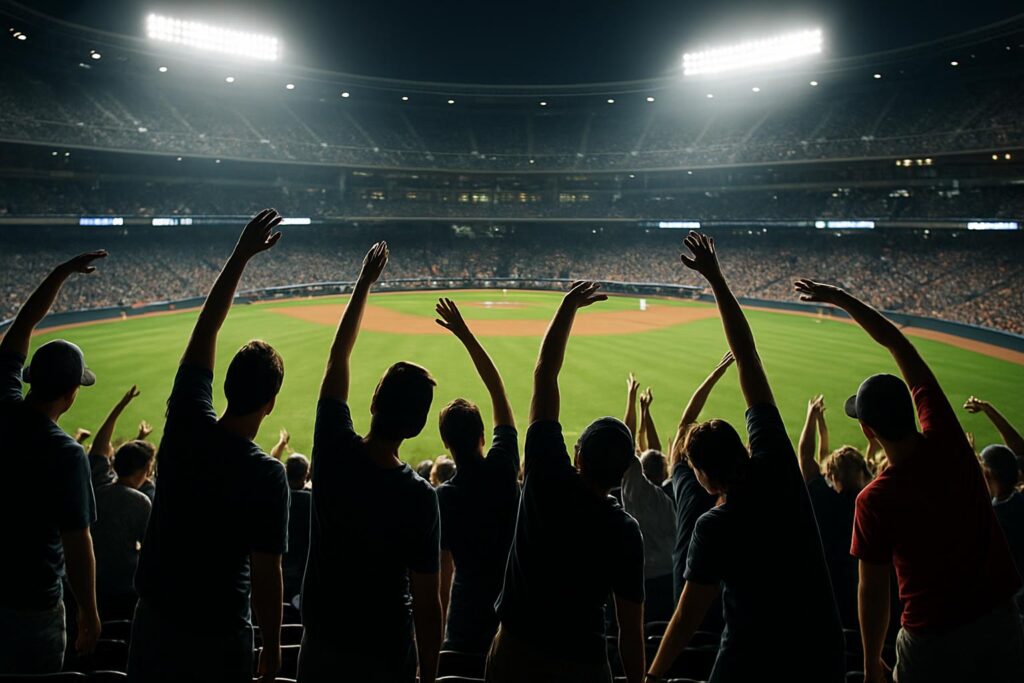
The seventh-inning stretch is a short pause in a baseball game when everyone stands, loosens up, and often sings together. It lands between the top and bottom of the seventh inning, and it gives fans and players a small reset before the final push. Simple idea, long history. It began as a spontaneous habit, grew into a ritual, and today it carries local flavor at ballparks across North America and beyond. This guide breaks down where it came from, how it evolved, what to expect at the stadium, and why the tradition still works so well.
Introduction
Baseball moves at a steady, deliberate pace. The seventh-inning stretch fits that rhythm. The game pauses, the crowd stands, and the ballpark turns into a shared chorus. For newcomers, this is a landmark moment. For regulars, it is part of the heartbeat of the game. You do not need to know every rule or stat to join in. The stretch is open to everyone.
What Is the Seventh-Inning Stretch
In Major League Baseball and most levels of organized baseball, the seventh-inning stretch is a short break after the top of the seventh inning. Fans stand up, stretch their legs, and often sing Take Me Out to the Ball Game. Some parks add a second song or a local tradition. Concessions keep moving, broadcasters reset, and players take a breath. Then the game resumes with the bottom of the seventh.
Why the Seventh Inning
The placement is practical. Seven innings mark a natural point late in the game. The early buzz has passed, managers start thinking about bullpen moves, and attention can dip. A short break restores focus. For fans, it is a chance to move after sitting for a while. For players, it is a small mental reset. For TV and radio, it is a clean segment break.
A standard length with small variations
The stretch usually lasts about two to three minutes, similar to a standard inning break. On nationally televised games, commercial breaks can push it a bit longer. When a second song is added, especially on special days, the pause may extend another minute. Umpires manage the pace to keep the game on schedule.
Early Origins
Stories about the start of the seventh-inning stretch reach deep into the 1800s. Newspaper accounts from the late 19th century mention spectators standing and stretching late in games, often around the seventh. The behavior made sense. Wooden bleachers were crowded. Games ran long. Fans stood, worked out the stiffness, and sat back down. It was not a rule. It was a habit that stuck.
The Taft anecdote
One famous origin story centers on President William Howard Taft at a Washington game in 1910. The tale says he stood up in the seventh to relieve back pain, and the crowd followed out of respect. This account helped spread the lore, but historians point to reports from earlier decades showing the practice already existed. The Taft story is part of the tradition, even if it was not the starting point.
The Song That Sealed It
Take Me Out to the Ball Game became the soundtrack of the stretch. Written in 1908 by Jack Norworth and Albert Von Tilzer, the song captured the joy of a day at the park. Organists began playing it in the mid-20th century. Fans embraced it. Today, it is the default song for the stretch at pro and amateur games across North America. Even those who do not follow baseball can hum the chorus.
How ballparks made it routine
Once stadiums installed organs and sound systems, the song became easy to program every game. Scoreboards added lyrics. Ushers and mascots encouraged fans to stand and sing. Teams learned a simple truth. A shared song makes the crowd louder and the building feel alive. The stretch turned from a casual stretch break into a mini-ceremony.
Harry Caray and the Fan-Led Chorus
Broadcaster Harry Caray helped turn the stretch into a show. He first led the song in Chicago during the 1970s and brought the act to Wrigley Field in the 1980s. He urged fans to sing loud and off-key if needed. It worked. The camera cut to Caray, the organ kicked in, and the entire park joined him. Many teams adopted an on-screen leader. Some invite celebrities or hometown heroes. The effect is the same. The crowd becomes the star of the break.
Team Traditions You Will Notice
Most parks keep Take Me Out to the Ball Game, but many add a local twist. These extras make the stretch feel different from city to city.
New York Yankees
After 2001, the Yankees added God Bless America during the seventh-inning stretch. Other clubs also introduced the song. Policies have evolved, and frequency can vary by team and by date, but you will still hear it in New York on many game days, often alongside Take Me Out to the Ball Game.
Chicago Cubs
At Wrigley Field, the stretch keeps the Harry Caray spirit. A guest conductor often leads from the broadcast booth. The routine is simple and loud, and it links generations of fans.
Baltimore Orioles
At Camden Yards, the Orioles often play Thank God I am a Country Boy during the stretch. Fans clap along, and the park turns into a quick dance party before the bottom of the seventh.
Milwaukee Brewers
Brewers fans know Roll Out the Barrel. The polka energy fits Milwaukee and keeps the crowd moving as the game heads for the late innings.
Toronto Blue Jays
The Blue Jays play OK Blue Jays during the stretch. It is a team song that invites the park to sing along and rally for the final frames.
New York Mets
The Mets pair Take Me Out to the Ball Game with traditions like Lazy Mary, giving the stretch a Queens flavor and a fun rhythm.
College, High School, and Minor League Spins
You will find the stretch at almost every level of baseball. College bands may take the lead. High school games keep it casual. Minor league parks turn it into a full fan engagement moment with mascots, contests, and on-field dance squads. The core is the same. Stand up, stretch out, and reset for the endgame.
International Takes on the Midgame Break
The concept of a midgame break shows up in leagues around the world, though details differ.
Japan
In Nippon Professional Baseball, fans release team-colored balloons around the seventh inning. The sight of thousands of balloons rising at once is a trademark moment. Many clubs also have team songs or chants timed with the break.
Korea
In the Korea Baseball Organization, cheering squads and bands keep energy high all game. A midgame reset still exists, often filled with orchestrated chants and music led by cheer captains.
Latin America
Leagues in Mexico, the Dominican Republic, Puerto Rico, and Venezuela showcase lively music and crowd interaction across all innings. A formal seventh-inning stretch is not always called out, but the idea of a late-game rally moment is built into the experience.
What Actually Happens During the Stretch
From the moment the third out is recorded in the top of the seventh, production moves fast. The scoreboard cues the crowd to stand. The music starts. Cameras scan the stands. Vendors move with purpose. Ushers help fans in aisles. The dugouts regroup. Pitchers warm. A few infielders stay loose with quick throws. The umpire crew keeps an eye on the clock and signals when play should resume.
Operations in the background
On the business side, the break is a critical window. Concession stands handle a rush. Restrooms fill then clear. Sponsors may claim the segment with a logo or message tied to the song. The video team runs a set sequence that rarely changes, since consistency keeps the building in sync.
Rules, Norms, and Etiquette
Most of the stretch is custom, not rule. Still, there are clear norms that help everything run smoothly.
Stand when the prompt appears, if you are able. Clear the aisle. Sing if you want. Do not block views with long conversations once the break ends. If a second song with patriotic meaning is played, many choose to remove hats and face the flag. Follow the lead of the park. Respect those around you who mark the moment in their own way.
How to Join In if You Are New
If this is your first time at a game, the stretch is easy to enjoy. Here is a simple flow you can follow.
Know the timing
Watch for the third out of the top of the seventh. Scoreboards will show a clear prompt. Ushers will also stand to stretch.
Stand and stretch
Rise, loosen your shoulders, roll your neck, touch your toes if you like. You will not be the only one moving around. It is expected.
Join the song
Lyrics usually appear on the board. Mouth the words even if you do not know them. The point is to join the crowd, not to sound perfect.
Reset for baseball
As the song ends, sit down to allow others to see the first pitch of the bottom of the seventh. Check the score and the lineup on the board. You are back in game mode.
Why the Stretch Works
The stretch endures because it solves a problem and builds a mood. It wakes up the building at a late moment and gives the game a shared emotional lift. It makes the sport more social. It sets baseball apart from other leagues where game clocks leave little room for rituals. The break feels earned because of the sport’s pace. It belongs to the game now.
Myths and Facts
Two points often cause confusion. First, the Taft tale is famous, but references to seventh-inning stretching appear earlier. That does not make the Taft story false. It means the tradition had momentum before that day. Second, the song is not as old as the game. Take Me Out to the Ball Game came along in 1908, decades after professional baseball started. It rose slowly with the spread of stadium organs and broadcast entertainment, then took over as the default soundtrack.
Impact on Players and Strategy
The stretch does not change the rules, but it can shape game flow. Pitchers use the pause to regroup. Managers check on relievers. Catchers and coaches may huddle about pitch sequencing for the heart of the order. If a team is rallying, the break can either cool momentum or concentrate it. Veterans know how to protect their focus through the pause.
Music and Sound: From Organ to Full Production
Early stretches featured a live organ and a simple cue. Today, sound systems, video boards, and cameras turn the segment into a compact production. The organ still matters in classic parks. In newer buildings, DJs mix in, and the sound is crisp and loud. Teams balance tradition with fresh elements, but the core song stays. Too much change would break the spell.
When a second song appears
When teams add a second song such as God Bless America, the production team schedules both carefully. The anthem-style performance may add time. On high-attendance days, the stadium needs that extra minute to manage traffic in concourses and aisles. The umpire crew and game director coordinate by signal to resume play without delay.
Accessibility and Inclusion
Modern parks work to make the stretch accessible. Scoreboards display large lyrics. Some teams include sign language interpreters on theme nights. Video angles try to include diverse fan sections. Ushers assist fans who need more time to sit or stand. The goal is simple. Everyone should feel welcome to take part.
Tradition vs. Change
Baseball evolves, but the stretch has held its ground. Pace-of-play efforts have trimmed dead time, yet the seventh-inning stretch remains intact. Teams may shift when and how often they add a second song. Celebrity leaders rotate. Local songs cycle in and out. Through it all, the core moment still looks and sounds familiar across decades.
Common Questions at the Ballpark
Is it mandatory to stand
No. It is a tradition, not a rule. If you cannot or prefer not to stand, you can stay seated. Many fans treat the song and any added anthem with respect, but participation is voluntary.
What if I return late to my seat
Return as soon as you can, but wait for a break between batters if the inning has restarted. Ushers often hold fans at the top of the aisle to avoid blocking views during a live pitch.
How long does the break last
Plan on two to three minutes. National broadcasts or added songs can extend it slightly.
Do all parks sing the same song
Most parks sing Take Me Out to the Ball Game. Several add a second song or a local favorite. The mix depends on the team and the day.
Tips for a Better Stretch
Time your concession run to start right after the song ends. You will beat the rush that begins the moment the music stops. If you want a great photo, capture the crowd just as the chorus peaks. If you are with kids, teach them the chorus before the game starts so they can join in with confidence. If you are visiting a new park, watch a previous game’s stretch online so you know the local routine.
The Stretch in Media and Memory
Broadcasters use the stretch to tell short human stories. They show families, longtime season-ticket holders, traveling fans, and local icons. The moment becomes a highlight in recap shows and social clips. Many fans remember their first live stretch more than a specific at-bat. The shared sound and motion make the memory last.
Behind the Scenes: Coordinating the Moment
Game directors script the stretch down to seconds. A countdown runs in the control room. Camera operators know where to look. The audio team balances the crowd mic with the organ or track. If a guest singer is involved, a stage manager coordinates entry and exit. Security clears pathways and protects sightlines. When the last note lands, a floor director signals the booth, the umpire points to the pitcher, and the game resumes on time.
What the Stretch Says About Baseball
The stretch shows baseball’s link to place and people. It turns a competitive event into a civic moment. You might be watching a tense one-run game, but for those few minutes the focus is unity. When you sit down, the rivalry returns. That balance of calm and competition is one reason the sport keeps its hold across generations.
Conclusion
The seventh-inning stretch began as a simple pause to move around. It grew into a centerpiece tradition that ties ballparks together while leaving room for local flavor. It welcomes new fans, refreshes regulars, and resets the field for the final innings. If you have never joined in, do not overthink it. Stand, breathe, sing a little, and look around. You are part of the game now.
FAQ
Q: What is the seventh-inning stretch
A: It is a brief break after the top of the seventh inning when fans stand, stretch, and often sing Take Me Out to the Ball Game before play resumes.
Q: Who started the seventh-inning stretch
A: The exact origin is unclear. Newspaper accounts from the 1800s describe fans stretching late in games, and a famous 1910 story about President Taft helped popularize the lore.
Q: How long does the seventh-inning stretch last
A: Usually two to three minutes, with slight extensions for national broadcasts or an added song.
Q: Do all MLB teams follow the same seventh-inning stretch routine
A: Most teams sing Take Me Out to the Ball Game, but many add a local tradition such as Roll Out the Barrel in Milwaukee or God Bless America in New York.
Q: Do I have to stand or sing during the seventh-inning stretch
A: No. It is a tradition, not a rule. Join in if you like, or enjoy the break in your own way.