
We are reader supported. When you purchase through links on our site, we may earn an affiliate commission. Also, as an Amazon affiliate, we earn from qualifying purchases.
Baseball has an inside pitch that changes at-bats, shifts emotions, and tests control. It is called the brush-back pitch. Fans hear the crowd gasp, players tense up, and the game takes on a sharper edge. For beginners, this pitch can look reckless. For pitchers and hitters, it is part of the battle for the strike zone. This guide will explain what a brush-back pitch is, why it is used, when it is legal, how it is executed safely, and how hitters should respond. You will learn the strategy, the risks, and the culture around it, all in clear, simple terms.
What Is a Brush-back Pitch
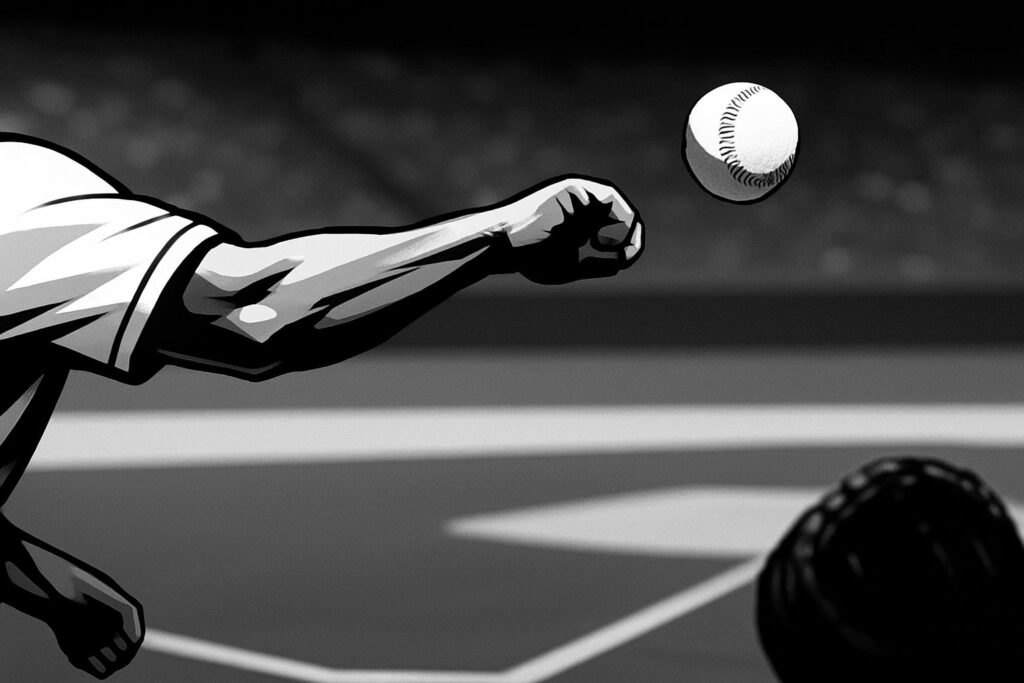
A brush-back pitch is a fastball thrown high and inside to force the hitter to step back from the plate without hitting him. The goal is to reclaim the inside corner, disrupt timing, and make the hitter respect that area. It is not meant to hit the batter. It is a message and a setup. The pitcher throws near the hands or upper body, but not at the head.
This is different from a hit-by-pitch, which is a pitch that hits the batter and awards first base. It is also different from a deliberate beanball, which aims to hit and punish the batter. A proper brush-back pitch stays off the plate, above the belt, and moves the hitter back without contact.
Three elements define it. First, location inside and often up. Second, intent to move the hitter away, not to injure or hit. Third, execution that avoids the head and keeps the ball out of the strike zone. When those elements are present, it is a strategic pitch, not an act of danger.
Why Pitchers Throw Brush-back Pitches
Pitchers need the whole plate to win. If hitters crowd the plate, the outside corner becomes easy. A brush-back pitch pushes the hitter back so the pitcher can get strikes away and force weaker contact. It is about space, control, and uncertainty. The hitter now has to consider the inner half on every pitch.
It also resets timing. A hitter who is locked in often leans in, sees the ball early, and drives outside pitches. A quick move inside causes a reset in footwork and balance. The next pitch away looks faster and farther, even when it is the same speed. The pitcher changes the hitter’s perception.
It can also stop aggressive behaviors at the plate. If a hitter dives over the plate to cover breaking balls away, the inside pitch reminds him there is a cost. If a team is feeding off confidence, a firm pitch inside can slow that surge. If the pitcher needs to show edge early, a brush-back pitch can set tone without starting a fight.
Common Game Situations for a Brush-back Pitch
Early in a game when a slugger crowds the plate. After a long at-bat where the hitter fouls off multiple outside pitches. Following a hard pull foul that shows early bat speed. After a home run to reestablish the inside corner, though this must be done with care and below the shoulders. With two outs and bases empty, when a free base is less costly. After missed outer-half spots, to open that lane back up. All of these can be natural moments to challenge the inner half without escalating.
Is a Brush-back Pitch Legal
A brush-back pitch is legal if the intent is to move the hitter off the plate and the pitch stays away from the head. The rules of professional and amateur baseball allow pitches inside. Umpires judge intent and control. If a pitcher repeatedly throws inside in a way that looks deliberate and dangerous, the umpire can step in.
Umpires can issue warnings to both teams if they believe inside pitching is becoming unsafe or retaliatory. Warnings put both benches on notice. After a warning, an inside pitch that hits a batter or appears intentional can lead to immediate ejection of the pitcher and manager. League offices can also fine or suspend players after review.
At youth and amateur levels, safety emphasis is even stronger. Many leagues tell coaches to avoid any pitch that might endanger a batter. Umpires are quicker to warn and eject. In all settings, anything near the head is unacceptable. The game encourages inside pitching as a skill but does not accept recklessness.
When a Brush-back Pitch Crosses the Line
It crosses the line when the pitch targets the head or neck. It crosses the line when the intent is to punish, not to compete. It crosses the line after formal warnings when the pitcher still throws high and tight. It crosses the line when a team uses serial inside pitches to harass a hitter. In those cases, expect ejections and discipline.
What Happens If the Pitch Hits the Batter
If the pitch hits the batter, he is awarded first base unless he swung or did not attempt to avoid the pitch. If the umpire believes the pitch was intentional or reckless, he can warn or eject on the spot. If warnings were already issued, ejections are likely. A brush-back pitch aims to avoid this outcome entirely.
The Culture and Unwritten Rules
Baseball has a set of informal codes that guide competitive behavior. Many veterans accept a firm inside pitch as part of the sport. They expect hitters to handle it and pitchers to control it. Most players draw a clear line at the head. Most consider repeated near-misses as a breach of respect. The code is not a license to hit people. It is a standard for tough but fair pitching.
Retaliation once played a larger role in the sport. Today, higher velocities, better protection for hitters, and stronger oversight have reduced deliberate escalation. Teams focus more on run prevention than on sending statements. The brush-back survives as a tactical tool, not a personal act.
How Pitchers Execute a Safe Brush-back
Command comes first. A pitcher should not attempt a brush-back without steady control of the fastball. The target is off the plate inside, ideally above the belt and below the shoulders. The goal is a firm, obvious message that still looks like a miss by design. Hitters and umpires can tell the difference between a planned miss and a wild throw.
Most pitchers use a four-seam fastball for accuracy. It carries straighter and reaches the intended lane more often. The pitcher aims at a spot inside against the hands, not at the body. Starting the ball on a path that would clip the inner edge, then letting it ride off the plate, is a common cue. The key is to miss inside, not over the plate.
Delivery rhythm matters. A steady tempo helps keep the pitch under control. Overthrowing causes the ball to run too far in or sail high. A brush-back should be thrown with firm conviction but not with rage. If emotions rise, the better choice is to step off and reset rather than risk a dangerous miss.
The Catcher’s Role
The catcher usually initiates the plan. He gives an inside target and shifts late to avoid tipping location. He keeps his glove slightly high to encourage a miss above the hands, not at the ribs. He also prepares to block deflections near the bat. After the pitch, the catcher works with the umpire to defuse tension. Calm body language signals control and intent to compete, not to provoke.
The Umpire’s Perspective
Umpires watch release point, catcher setup, location, and recent events. One isolated inside pitch is a normal part of the game. A pattern of escalating inside pitches draws attention. Umpires manage both safety and flow. If they see a clear plan and control, they allow the inside game. If they see danger, they intervene quickly.
Risks and Trade-offs for the Pitcher
There are real costs. If the ball hits the batter, a free runner reaches base. The count moves if the pitch misses by too much. Umpires may shrink the inside corner after a scary near-miss. Warnings limit the pitcher’s ability to go inside for the rest of the game. The other team may respond later, which adds pressure on teammates.
There is also the risk of losing feel. Some pitchers overthrow the next few pitches after a brush-back. They pull more balls inside or leak pitches over the heart of the plate. Momentum can swing to the hitter if command wobbles. The decision to brush back should be tied to confidence in immediate recovery.
Finally, reputation matters. Umpires and hitters remember who controls the ball and who does not. A pitcher known for safe, firm inside pitching gets the benefit of the doubt. A pitcher known for head-high misses will not.
How Hitters Should Respond
Staying composed is the best response. Panic helps the pitcher. Breath, step out, reset, then settle back in. Do not chase outside pitches immediately just because you felt pressure inside. Keep your plan. The best response is to stay calm, reset your stance, and stick to your plan while protecting yourself.
Protect yourself first. If the ball is truly coming at you, turn the back shoulder in, drop the chin, and show the back to the ball. Keep the hands on the bat and away from the path. Do not jump forward. Do not turn the face into the pitch. Practice this move so it is automatic.
Make a small adjustment, not a panic move. Slide your back foot an inch toward the catcher or square up slightly if needed. That keeps the inside corner visible without ceding too much of the plate. Continue to look middle-away until you prove the pitcher will land an inside strike. Then adjust only as much as needed.
Reading Cues as a Hitter
Watch catcher setup. If he sets late inside and high, prepare for a challenge. Note previous pitches. If you fouled several balls hard to the pull side, expect a message. Check the count and base state. With two outs and bases empty, the pitcher may take a small risk. With runners in scoring position, the risk drops.
Also watch pitcher emotion. A miss over the plate that you hammered can prompt a response. Calm pitchers still compete inside, but pacing and breathing reveal control. If the pitcher looks rushed, be extra cautious. Your job is to protect yourself and take the next pitch with a clear plan.
Training for Safety and Composure
Teams should drill the turn-away move with soft toss and safety balls. Rehearse calling time and resetting after a near-miss. Simulate an inside fastball, then a strike away, so hitters learn to hold posture. Teach players not to bail out too much, since that hands over the outer edge. Build habits before pressure arrives.
Strategy by Count, Batter Type, and Game State
First pitch. A firm inside miss can state that the inner half is in play. If done early, it can shape the whole at-bat. Be careful against patient hitters, because ball one increases leverage against the pitcher.
Even counts. One and one or two and two are spots where a pitcher may challenge inside to set up a chase away. The brush-back should not be reckless at two and two, because ball three invites damage.
Two strikes. Brush-back risk is high here. A miss too far in wastes the count. A hit-by-pitch can turn a strikeout into a baserunner. Many pitchers prefer a competitive inside strike or a waste fastball up and out, not a near-body miss.
Versus pull-heavy sluggers. These hitters lean over the plate to crush outside pitches. A strong inside presence reduces their extension and can force weak jam shots later. A safe brush-back early can make the next fastball away play up.
Versus contact hitters. They usually handle inside better but do less damage. A brush-back has less payoff here unless they are diving over. Use it sparingly and focus on executing quality strikes.
Game score and inning. In high-leverage spots, free bases are costly. Consider the bullpen, the on-deck hitter, and the defense behind you. The better the game state for risk, the more reasonable a brush-back becomes.
Analytics and Modern Trends
Tracking data shows hitters change swing decisions when they feel the inside threat. Chase rates on outer-half pitches often rise after a credible inside challenge. Called strikes away increase when hitters back off the plate by even a small amount. Weak contact on the ground occurs more often when hitters protect their hands.
At the same time, league velocity has risen. Higher speed increases the danger of a miss. Teams value run prevention and player health. As a result, coaches emphasize a controlled inside fastball that lands for a strike or misses narrowly. The pure show pitch that flies near the shoulders is used less often and only by pitchers with strong command.
Youth and Amateur Guidelines
At lower levels, safety and development are the priority. Coaches should not teach head-high misses. Teach command of the inside corner with strikes first. When players can reliably miss by inches, they can learn how to move a hitter back with a safe lane above the hands and off the plate.
Explain the why and the how. Players who understand purpose throw with better control. Emphasize body protection for hitters in practice. In many youth leagues, an inside pitch that looks dangerous leads to quick warnings or ejections. Set expectations early and keep the field safe.
Ethics and Sportsmanship
Competing inside is part of baseball. Threatening a player’s safety is not. Keep the ball below the shoulders. Aim off the plate. Use it to win the strike zone, not to settle personal scores. If a previous play created emotions, take more care, not less. Earn respect by showing control.
Coaches set the tone. A clear plan, consistent teaching, and calm responses prevent chaos. Umpires have the authority to protect players and the game. Pitchers and hitters share responsibility for safety while still playing hard.
Historical Context and Evolution
Inside pitching has existed as long as hitters have tried to cover the plate. Past eras saw more raw intimidation, fewer helmets, and less oversight. Modern equipment, video, and discipline changed the balance. The inside game remains, but with tighter limits and higher skill demands. Today, the best brush-back pitches look controlled and purposeful, not wild.
The pitch also evolved with analytics. Teams now track how inside presence affects swing paths and decision-making. They use inside pitches to create specific outcomes on the next pitch rather than to provoke reactions. Preparation and planning replaced impulse.
A Practical Checklist for Pitchers
Ask if your fastball command is solid today. If not, avoid the brush-back. Decide the exact lane. Aim above the hands and off the plate. Confirm the count and game state. Ensure a miss will not wreck leverage. Watch your emotion. If you feel angry, step off and breathe. Coordinate with your catcher. Agree on a target and timing. Know the consequences. If a warning is in place, choose a different plan.
Common Mistakes to Avoid
Missing too high near the head. Missing over the plate where the ball can be hit hard. Overusing the pitch so it loses effect. Using it late in counts where a ball sets up damage. Letting the brush-back become personal. Each mistake turns a strategic tool into a liability.
Putting It All Together
The brush-back pitch is a tool, not a solution by itself. It works when it supports a bigger plan. It should fit the count, the hitter, and the pitcher’s skills. It should respect safety and the rules. It should create the next pitch, not just send a message. When used well, it wins space, reshapes timing, and tilts the at-bat without chaos.
Conclusion
A brush-back pitch is a fastball thrown high and inside to force the hitter to step back from the plate without hitting him. It is legal when used to claim the inside corner and kept away from the head. It is most effective when planned, controlled, and tied to the next pitch. Pitchers should focus on command, lane, and game state. Hitters should protect themselves, stay calm, and avoid overreactions. Umpires will allow inside competition but act fast when danger appears. Master the why and the how, and the inside game becomes a clean, sharp part of winning baseball.
FAQ
Q: What is a brush-back pitch?
A: A brush-back pitch is a fastball thrown high and inside to force the hitter to step back from the plate without hitting him.
Q: Why do pitchers throw brush-back pitches?
A: Pitchers use brush-back pitches to reclaim the inside corner, disrupt timing, and make the hitter respect that area, which can set up strikes away and weaker contact.
Q: Is a brush-back pitch legal?
A: A brush-back pitch is legal if the intent is to move the hitter off the plate and the pitch stays away from the head.
Q: What happens if the pitch hits the batter?
A: If the pitch hits the batter, he is awarded first base unless he swung or did not attempt to avoid the pitch.
Q: How should hitters respond to a brush-back pitch?
A: The best response is to stay calm, reset your stance, and stick to your plan while protecting yourself.