
We are reader supported. When you purchase through links on our site, we may earn an affiliate commission. Also, as an Amazon affiliate, we earn from qualifying purchases.
Baseball celebrates precision, control, and competitive fire. It also faces moments when that fire turns dangerous. Few events shift the mood of a ballpark as fast as a pitch that slams into a batter, especially near the head. That is the heart of the beanball conversation. Fans see tempers rise, benches stir, and managers plead their case. Players feel the sting, and sometimes the fear. The game pauses, yet the questions keep moving. What just happened. Was it on purpose. How do umpires respond. Where is the line between pitching inside and risking harm. This guide explains the beanball from every angle so you can watch with clarity, discuss with accuracy, and understand the stakes with full context.
Introduction
Every sport has a boundary between hard competition and unsafe play. In baseball, that boundary often lives near the inside corner of the plate. Pitchers must own that space to keep hitters honest. Hitters expect that challenge and gear up for it. Trouble begins when a pitch crosses more than the edge of the plate. It crosses into a batter. Or worse, into a head. That is where the word beanball comes in. This article defines the term, explains why it happens, outlines the risks and rules, and shows how modern baseball aims to reduce danger while keeping the game strong. By the end, you will know what you are seeing, why it matters, and what better looks like.
What Is a Beanball
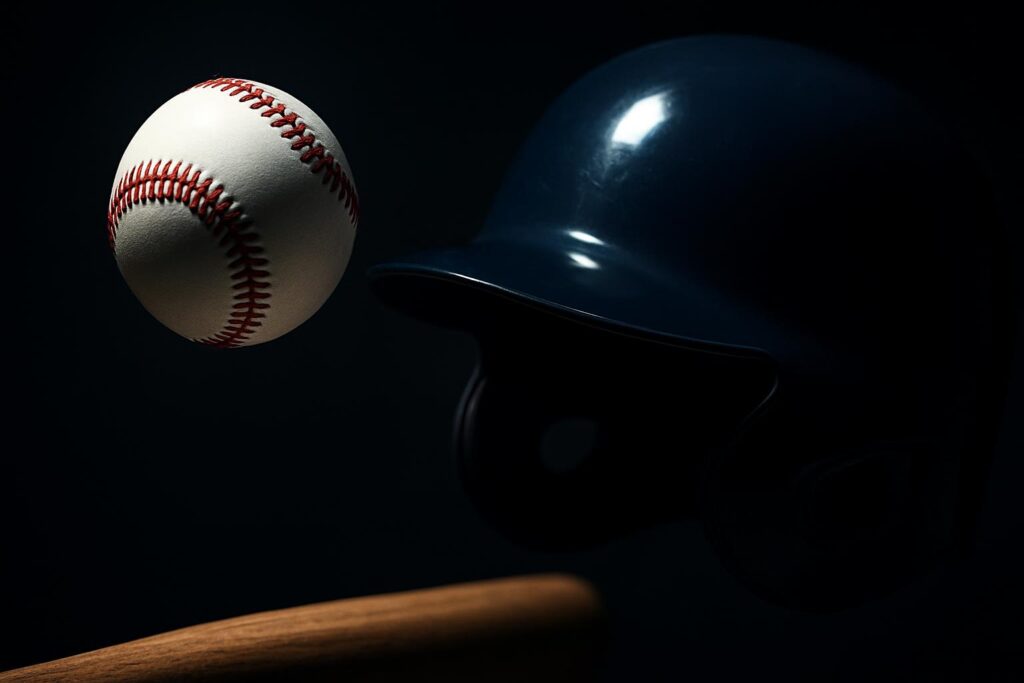
A beanball is a pitch that hits a batter and is seen as intentional or reckless. The target is often the upper body or head, but the key factor is intent or disregard for safety rather than exact location alone. Not every hit-by-pitch is a beanball. A missed slider that grazes a jersey is not the same as a fastball that tracks a helmet. The beanball sits at the severe end of the spectrum.
In common use, fans label a beanball when the context suggests purpose. Maybe a home run celebration irritated the opposing dugout. Maybe a teammate was hit an inning earlier. Maybe tensions were high after a hard slide. Umpires do not need a confession to act. They weigh the situation, the count, the pitch type, the location, and recent events. If they believe a pitcher threw at a hitter, that pitch becomes more than a hit-by-pitch. It becomes grounds for warnings, ejections, and later suspensions.
So, what makes this term stand out. The beanball represents risk beyond ordinary baseball contact. A ball to the helmet can cause concussion, facial injury, or worse. The speed of today’s game raises the stakes. Pitchers can cross 95 mph with regularity. Reaction times shrink. Even with better helmets, a ball to the head remains a serious hazard. That is why the beanball draws such sharp responses from players, managers, and officials.
Hit-by-Pitch vs. Beanball
A hit-by-pitch awards first base when the batter is struck by a pitch. The rule applies regardless of intent. Many hit-by-pitches are unintentional results of movement, command lapses, or pitch design. A beanball is an accusation of intent or negligence. The two overlap only when the hit-by-pitch is seen as purposeful or grossly unsafe. This distinction shapes umpire decisions and public reactions.
Why Beanballs Happen
Baseball blends strategy, psychology, and emotion. That mix explains most beanball incidents. Intent is hard to prove, but patterns are clear. There are a few recurring drivers.
Retaliation
The most common trigger is payback. One team believes its player was wronged by a previous pitch, a hard slide, or a showy celebration. A pitcher then throws inside to send a message. Sometimes, that message misses the plate and finds the batter. This cycle can escalate. It can involve star hitters, role players, or the next man up. The unwritten code pushes teams to respond but not escalate to chaos. That balance is fragile, and umpires try to break the chain with early warnings or quick ejections.
Intimidation
Another driver is intimidation. Pitchers who want to move a batter’s feet may crowd the zone up and in. Most of those pitches miss the hitter. A few do not. In a tight game, some arms gamble that discomfort brings weak contact. When command falters, that plan crosses into harm. The line between a brushback and a beanball is thin when a pitch rides at head height.
Command Issues
Not every dangerous pitch is intentional. Young pitchers, relievers working on short rest, or arms experimenting with higher velocity can lose feel. A two-seam fastball might run more than expected. A four-seam might sail high and in. Modern pitch design encourages increasingly sharp movement. That can expose hitters to more unpredictable paths when command lapses. The result may look like a beanball even if the pitcher aimed at the inner black.
Game Context and Misreads
Score, inning, and count complicate the read. Hitting a batter at 3-0 with first base open after a homer can look suspicious. Hitting a batter at 0-2 with a breaking ball in the dirt looks like a miss. Catcher targets also tell a story. If a catcher sets up inside and the ball runs up and in, the optics are bad even if the call was chin-high but off the plate. Players and fans parse these angles in real time. Umpires must make the call fast and then manage the temperature of the game.
Risks: What Is at Stake
The head and face carry the highest risk. Concussions can linger. Facial fractures can end a season. Dental injuries are common with direct impacts. Eye injuries threaten vision. The hands and wrists are next. Many hitters wear guards because a pitch to the hands can break small bones and disrupt a swing for months. Ribs and forearms can crack under direct force. Bruising and soreness linger even when scans are clean.
Distance from mound to plate is fixed, and velocity continues to rise across levels. That math leaves little time to dodge. Helmets with extended jaw protection and padded guards help, but they do not remove danger. The goal is to reduce the odds and lower severity when contact occurs. When intent is part of the equation, acceptable risk becomes unacceptable harm.
Rules, Penalties, and Process
Baseball rules grant batters first base on any hit-by-pitch unless they failed to avoid the ball or it hit the bat first. That part is routine. The complex part is intent. Umpires can issue warnings to both teams after a suspicious pitch. Once warned, any further hit-by-pitch that appears intentional can lead to immediate ejections for the pitcher and often the manager. Separate from in-game penalties, the league office can impose fines and suspensions after review. Video, context, and player histories play a role in those decisions.
Umpires aim to keep control. A warning is a signal that the threshold for tolerance just dropped. Warnings are not required before an ejection. If a pitch is clearly dangerous, an umpire can eject without ceremony. Managers argue, but the crew chief’s job is to protect players and prevent brawls. League offices back strong actions when safety is at risk.
Different Levels, Shared Priorities
Professional leagues, college programs, and high school or youth leagues share a common priority. Remove intent to harm. Youth rules often emphasize sportsmanship and coach responsibility. Many programs cap pitch counts, promote command training, and enforce strict penalties for throwing at hitters. At every level, the standard is moving toward less tolerance for intentional plunkings.
How to Recognize a Beanball in Real Time
Fans can learn to read cues. Start with the count and game state. Was the pitcher ahead with multiple options to finish a hitter. Look at catcher setup. If the target was outside and the pitch drilled a batter inside, that looks like wildness. If the catcher wanted inside heat and the ball climbed near the head, that signals risk. Consider the inning and recent history. A prior hit-by-pitch or home run celebration raises odds of intent. Watch reactions. A quick apology and hand to the chest can signal accident. A stare-down or jawing from the dugout suggests more. None of these are proof. Together, they build a picture that umpires and viewers consider.
Brushback vs. Beanball
A brushback is a high and tight pitch designed to move a hitter off the plate without making contact. It can be legal if it misses the batter and does not target the head area recklessly. A beanball is a pitch that hits the batter and carries the sense of intent or disregard for safety. The first tries to claim the inside corner. The second crosses a line that risks injury and invites punishment.
The Code and the Culture
Baseball’s unwritten code shapes decisions on the field. Many players believe teams must protect teammates. If your star gets hit, someone will respond. That mindset can curb cheap shots by promising consequences. It can also fuel cycles that make injuries more likely. Over time, analytics and front office priorities have chipped away at tolerance for retaliation. Teams invest heavily in players. Missing games for suspensions or injuries hurts winning more than an old code helps it. The modern trend favors de-escalation without surrendering competitiveness.
Shifting Norms
Clubs now value runs prevented and scored over settling scores. Coaches preach command, tempo, and game plan discipline. Players still feel pride and anger. The difference is organizational support for avoiding needless risks. Umpires also intervene faster than in past eras, which lowers the room for prolonged vendettas. The sport is not free of beanballs, but the direction is toward fewer of them.
Compete Inside Without Crossing the Line
Pitching inside is fundamental. Doing it safely is teachable. The plan starts with intent. Aim to control the zone, not a hitter’s body. Focus on specific targets and miss patterns. If the target is in off the plate at the belt, miss down rather than up. Use pitch types with predictable movement in traffic. A firm two-seam might run into a batter’s hands. A four-seam thrown slightly lower can be safer. Sequencing also matters. Set up inside by establishing outside first. Hitters move their feet less when they have already seen firm strikes away.
Brushback Done Right
A legal brushback stays off the body. Keep the pitch above the hands but below the helmet line, and outside the batter’s cylinder. Most importantly, stay in control. No angry max-effort heaves. Command and intention reduce risk. The goal is to claim space, not cause pain. The difference shows in the catcher’s target, the pitcher’s finish, and the immediate reactions.
Safety Measures and Modern Trends
Equipment has improved. Helmets now come with extended jaw and cheek protection. Hitters add elbow, forearm, hand, and shin guards. These do not eliminate injuries, but they soften many blows. Leagues monitor trends and adjust enforcement. Faster warnings and tougher fines discourage reckless pitches. Clubs tailor training to sharpen command. Analytics help pitchers understand movement windows that avoid unintended run into hitters.
Ballparks also reduce secondary dangers. Expanded netting protects fans from foul balls and thrown bats. While netting does not change beanballs, it reflects a broader commitment to safety. Clear broadcast angles and slow motion replays help league offices review incidents with better evidence. Transparency and accountability grow as a result.
Coaching and Player Development
Good coaching sets standards early. Young pitchers learn to land fastballs glove side and arm side on purpose. They learn release windows for different movement profiles. They practice misses that go low when they lose feel. Catchers are taught to set realistic targets and to know when to call for the outside corner to reset a struggling arm.
Teams also teach the mental game. Know the score and the stakes. If a teammate gets hit, breathe first. Let the coaches and umpires manage. Do not take the game into your own hands. That discipline saves runs and bodies. Veterans play a role in this culture. They talk in the dugout, not by throwing into a helmet.
De-escalation on the Field
After a dangerous pitch, immediate steps matter. Catchers can walk the hitter to first and defuse the moment. Managers can make a mound visit to reset a pitcher’s heart rate. Umpires can step between parties and issue timely warnings. These moves lower the chance of a bench-clearing scene and the chain of retaliation that often follows.
Umpire Mechanics and Game Management
Umpires balance two goals. Call the game fairly and keep it safe. After a suspicious pitch, the crew chief may huddle with partners. They consider context and issue warnings. If a second incident occurs, ejections follow fast. Without warnings, they can still eject for a pitch that poses clear danger. The manager usually goes with the pitcher. This strong stance is not about blame alone. It is about signaling that the game will not tolerate headhunting or careless aggression.
When benches clear, umpires position themselves between clusters and identify instigators. The goal is to separate, reset, and continue. Later, the league office reviews actions and assigns discipline. The presence of a process supports consistent enforcement and educates players on boundaries.
Legal and Ethical Angles
Sports accept some risk. Players agree to run, dive, slide, and sometimes get hit by pitches that miss target zones. They do not agree to be targets. Intentional harm crosses ethical and legal lines. Leagues have a duty to protect participants. Strong enforcement, modern equipment, and culture change reflect that duty. The ethical debate narrows to one point. Hurt the opponent’s chances, not the opponent’s body. When teams commit to that, the game stays intense and safer.
History and Lessons Without the Hype
Baseball history includes severe injuries from pitches to the head. Those moments led to equipment upgrades and stricter enforcement. Over decades, hitter helmets improved, and leagues acted faster to control retaliation cycles. The lesson is simple. Change follows pain, but proactive change is better. The sport does not need a new incident to justify existing safety measures. It needs steady commitment to use them and improve them.
How Fans and Media Should Talk About Beanballs
Fans and media shape norms. Framing matters. Celebrate command, pitch design, and smart inside work. Do not celebrate a player getting hit. Focus on the defensive play and run prevention, not retribution. When discussing controversial moments, emphasize process. Ask what the count was, where the catcher set up, and how the crews responded. This approach rewards knowledge and discourages reckless narratives that fuel more conflicts.
What Players Should Do After Being Hit
First, assess quickly. If the ball struck the head, face, or neck, call for the trainer and take time. Check for dizziness, vision issues, or nausea. For hand and wrist shots, evaluate grip strength and range of motion. For rib hits, monitor breathing and sharp pain. Even when staying in the game, report symptoms so staff can watch for late signs of trouble.
Second, reset emotions. Anger is normal. Protect yourself by staying composed. Let your manager advocate. Let the umpire manage. If warnings are issued, accept the protection they provide. If tempers explode, avoid adding fuel. Your health and your availability to your team matter more than a heated exchange.
Reducing Beanballs Without Diluting Baseball
The sport can stay fierce and cut risk. Train command early and often. Teach brushbacks as tools with strict boundaries. Reward pitchers for efficiency and precision, not bluster. Support umpires who act fast. Encourage equipment adoption that shields vulnerable areas. Promote a clubhouse culture that values winning over settling scores. As these habits spread, beanballs decline and the quality of competition improves.
Conclusion
The beanball is not a myth or a trivial label. It is a real risk that challenges baseball’s claim to controlled competition. Understanding what it is, why it happens, and how the sport responds helps every participant. Pitchers can compete inside without crossing lines. Hitters can protect themselves and stay composed. Umpires can manage with clarity. Coaches can build cultures that de-escalate rather than inflame. Fans and media can talk about the game in ways that reward skill over harm. When all of that aligns, baseball keeps its edge and reduces its most avoidable danger.
FAQ
Q: What is a beanball
A: A beanball is a pitch that hits a batter and is viewed as intentional or reckless, often targeting the upper body or head and carrying a clear risk beyond an ordinary hit-by-pitch.
Q: How is a beanball different from a brushback pitch
A: A brushback is a high and tight pitch meant to move a hitter off the plate without contact, while a beanball hits the batter and signals intent or disregard for safety.
Q: Why do beanballs happen
A: Beanballs often stem from retaliation, attempts to intimidate, command issues, or heated game context where recent events raise tensions.
Q: What penalties can follow a beanball
A: Umpires can issue warnings, eject pitchers and managers, and the league can add fines and suspensions after review.
Q: How can baseball reduce beanballs
A: The sport can reduce beanballs through better command training, clear boundaries on pitching inside, fast umpire intervention, improved protective gear, and clubhouse cultures that avoid retaliation.