
We are reader supported. When you purchase through links on our site, we may earn an affiliate commission. Also, as an Amazon affiliate, we earn from qualifying purchases.
A batting helmet is a simple piece of gear with one job: protect a hitter or base runner from head injuries. Yet behind that simple mission sits a lot of design, rules, and fit details that matter. If you play baseball or softball, or you coach a youth team, understanding batting helmets will help you choose well, wear them right, and keep them effective. This guide breaks the topic into clear parts you can use today.
What Is a Batting Helmet
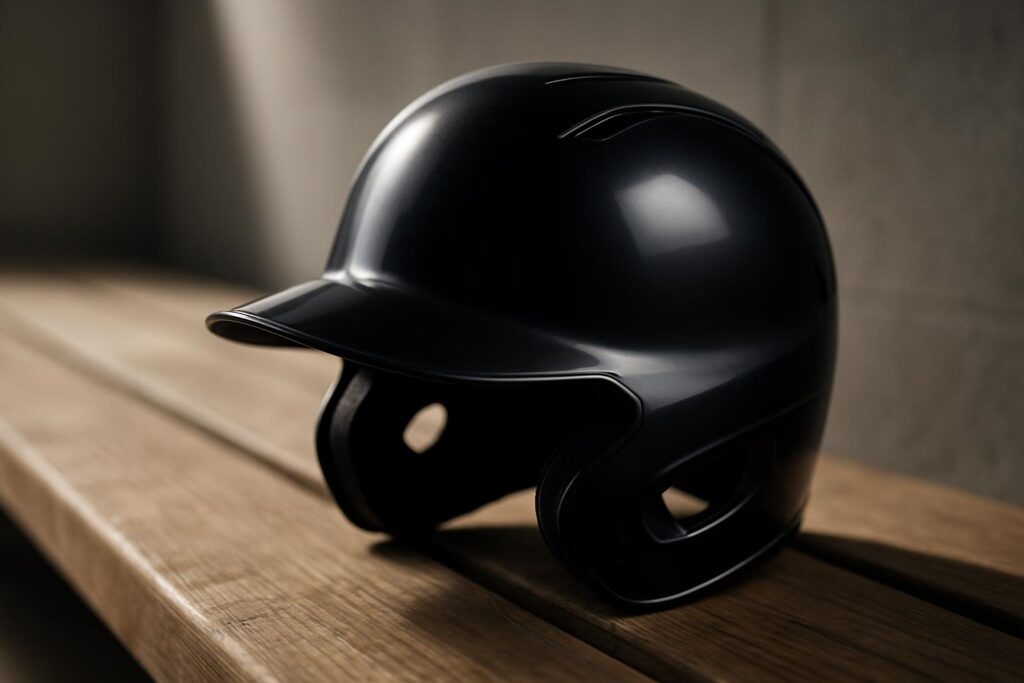
A batting helmet is protective headgear worn by hitters and base runners in baseball and softball. It reduces the risk of injury from pitched balls, foul tips, thrown balls, and accidental contact with bats or players. It uses a hard outer shell, soft energy-absorbing padding, and optional face or jaw protection. When sized and worn correctly, it stays stable on the head, maintains visibility, and absorbs impact so less force reaches the skull and face.
Why Batting Helmets Matter
Baseballs and softballs can travel fast. Even at youth levels, a misjudged pitch or a foul ball can hit the head. Head injuries can range from cuts and bruises to concussion. A good helmet manages impact so less energy reaches the brain. Modern helmets also improve confidence at the plate. When players trust their equipment, they track the ball better and make safer decisions in the box and on the basepaths.
Core Parts of a Batting Helmet
Outer Shell
The shell is the hard layer you see. It is usually made of ABS plastic or polycarbonate. The shell spreads and redirects impact over a larger area. It also resists cracks. Thicker shells add durability. Advanced shells balance thickness with weight so the helmet is tough but not heavy.
Interior Padding
Padding is the main energy absorber. It can be foam blocks, multi-density foam, or specialized materials that compress on impact. Good padding fits close to the head without hot spots. It rebounds to shape after a hit. Consistent, snug padding helps the helmet stay in place on swing contact and on a slide.
Liner and Comfort Layers
Under the main padding, some helmets use a liner fabric for comfort and moisture control. Wicking fabrics pull sweat off the skin. Antimicrobial treatments help with odor. A smooth liner reduces friction with hair and keeps pressure even around the crown and temples.
Ear Flaps
Most batting helmets have two ear flaps. They protect the ears and part of the jaw. Some pro leagues allow a one-ear helmet for hitters. Youth, school, and most amateur leagues require two ears covered. Ear flaps add structure and are key to keeping the helmet centered during a swing.
Jaw Guard or C-Flap
A jaw guard is an add-on or built-in shield that covers part of the cheek and jaw on the pitcher-facing side. It helps reduce facial injuries on inside pitches. Some helmets come ready for a jaw guard attachment. Others use a universal bracket kit. If you hit right-handed, you protect the left side of the face. If you hit left-handed, you protect the right side.
Face Guard or Full Face Mask
Face guards extend across the front to protect nose, mouth, and teeth. They are common in youth and fastpitch softball. A good face guard protects without blocking vision. It should align with the brim and cheeks so you can see the ball from the release point through contact.
Chin Strap
A chin strap helps the helmet stay put on contact or on hard sprints. Not all leagues require a strap. Straps are common with youth, face masks, and some jaw guard setups. A correct strap touches the chin without pulling the helmet down or back.
Ventilation Ports
Vent holes help cooling. Good port designs allow airflow over the scalp without weakening the shell. Location matters. Ports near the crown pull heat out. Side ports reduce sweat buildup around temples and ears.
Brim
The short front brim shades the eyes from sun and lights. It also helps deflect small glancing impacts away from the face. The brim should not block the view of the pitcher. If it does, the helmet is riding too low.
Finish and Coatings
Helmets may use glossy, matte, or textured finishes. Paints and coatings must be compatible with the plastic shell. Some solvents can weaken a helmet. Use only manufacturer-approved paints, decals, and cleaners.
Certification Markings
Look for the NOCSAE seal. NOCSAE is a performance standard for impact protection used by many leagues. The seal shows the helmet model met lab test criteria at production. It does not guarantee the helmet is undamaged or fits you. Fit and condition still matter.
Types of Batting Helmets
Baseball vs Softball
Baseball and softball helmets share core features. Fastpitch softball often adds a face guard by rule or team policy, especially for younger players. Slowpitch may not require a face guard, but many players choose a jaw guard.
Youth, Intermediate, and Adult
Youth helmets fit smaller head sizes and often come with thicker padding. Intermediate sizes cover the gap between youth and adult. Adult helmets fit larger circumferences and may offer more options for accessories. Always match the helmet size range to the head measurement, not just the age on the box.
Tee Ball
Tee ball helmets are lighter and scaled for small heads. Some include built-in face masks. They must still carry the correct certification for the level of play.
Two-Ear vs One-Ear
Two-ear helmets are standard for youth and amateur play. One-ear helmets appear in some pro contexts based on league rules. For most players, two-ear is required and gives better stability and protection.
With or Without Jaw Guard
Some models include an integrated jaw guard. Others allow a bolt-on guard. If you want the option to add a guard later, choose a helmet pre-drilled for compatible guards from the same brand or an approved universal kit.
Specialty Helmets
Coaches or base coaches in some leagues must wear helmets. These are similar to batting helmets and must carry the required certification. Catcher helmets are a different category and not used at bat.
Fit and Sizing
Measure Head Size
Use a soft tape around the head about 2.5 cm above the eyebrows and ears. Keep the tape level around the skull. Note the circumference in centimeters or inches. Compare to the size chart for the specific model.
Try-On Checklist
The helmet should sit low enough to cover the forehead without touching the eyebrows. You should see the pitcher clearly without tilting your head. Shake your head side to side and up and down. The helmet should move slightly with the skin, not shift independently. Jawline and ear pads should make even, light contact. No hard pressure points. With a jaw guard or face mask attached, repeat all checks. If the guard changes the fit, adjust or select a different size.
Adjustments
Some helmets use interchangeable pads or fit rings. Use thicker or thinner pads to fine-tune the fit. Chin straps can help hold position but should not compensate for a size that is too large. If you need to overtighten a strap, the helmet is likely the wrong size.
Hair, Caps, and Headbands
Wear the helmet over your normal game hairstyle or headband when fitting. Avoid bulky caps under the helmet. Extra layers change how the padding engages and can reduce protection.
Standards and League Rules
NOCSAE Standard
The NOCSAE standard sets impact and coverage criteria for batting helmets. Many leagues require the NOCSAE mark. This label is usually a stamp or sticker on the back or inside. Do not remove required labels.
League Variations
Rules differ by level. Many youth and school leagues require two-ear flaps, and many softball leagues require face masks for younger ages. Pro rules can differ. Always check your league rulebook before buying accessories or modifying a helmet.
Reconditioning and Recertification
Some organizations allow certified reconditioners to inspect and refurbish helmets. This may include pad replacement, hardware checks, and label updates. If your league requires a current certification label, follow that schedule. If a helmet shows cracks, severe dents, or loose padding that cannot be fixed, replace it.
How to Choose the Right Helmet
Start with Fit and Certification
A NOCSAE-marked helmet that fits right beats a high-end model that fits poorly. Confirm your size first. Confirm the helmet carries the required mark for your league.
Match to Your Level and Role
Younger players often need a face guard for added coverage. Older players may choose a jaw guard for inside pitch protection. Switch hitters may want a helmet that supports guards on both sides and allows quick swapping.
Weight and Balance
Lighter helmets reduce neck fatigue, especially for young players. Balance matters as much as total weight. A well-balanced helmet feels centered and does not tip forward during a stride or finish.
Visibility
Try the helmet while tracking a coach’s soft toss or shadow pitching. Make sure the brim, ear flaps, and any guard do not block the release point or the ball’s path into the zone. Vision should stay clear at all head angles used in your stance.
Comfort Features
Look for smooth liners, moisture-wicking fabric, and vents that match your climate. If you play in heat, prioritize airflow. If you play in cold, ensure the fit does not loosen when wearing a thin beanie during practice, if allowed.
Accessory Compatibility
If you plan to add a jaw guard, face mask, or chin strap, check compatibility from the same brand or an approved kit. Pre-drilled holes and included hardware make installation easier and safer.
Budget and Value
Price varies with materials and features. Entry-level helmets protect well when certified and fitted correctly. Mid-tier options add comfort, better ventilation, and jaw guard compatibility. Top-tier models optimize weight, balance, and accessory systems. Choose the level that meets your league needs and fits the player well.
Comfort and Performance Considerations
Heat Management
A cool head aids focus. Vent ports and wicking liners keep sweat under control. If the helmet pools sweat at the brow, try an internal sweatband designed for helmets. Do not add thick pads that change fit.
Noise and Distraction
Loose helmets rattle. Rattling distracts hitters and base runners. A snug, even fit quiets movement. Hardware should be tight but not overtightened. If screws back out, use manufacturer-approved thread locks or replacement hardware.
Glare and Finish
Matte finishes cut glare under bright lights. Gloss can be fine if your brim angle stays consistent. If glare bothers you, adjust brim position or choose a finish that suits your environment.
Stability During the Swing
The helmet should not turn or tilt on contact. If it shifts when you simulate a swing, increase fit at the temples or crown with included pads. If that does not fix it, size down or try a different model shape.
Care and Maintenance
Daily Cleaning
Wipe the shell with a soft cloth and mild soap solution. Clean the liner with a damp cloth. Air dry completely. Avoid harsh chemicals, bleach, or solvents. Do not machine wash removable pads unless the manufacturer states it is allowed.
Storage
Store in a cool, dry place. Do not leave in a hot car or near heaters. Heat can warp plastic and degrade foam. Use a helmet bag to protect the shell from scratches that can hide cracks.
Inspection
Before each use, check the shell for cracks or severe dents. Press padding to confirm it rebounds. Check hardware on ear flaps, jaw guards, and masks. Replace missing or rusted screws. If a helmet takes a major hit or shows damage, replace or have it inspected.
Stickers and Paint
Use only decals and paints approved by the helmet maker. Some adhesives and paints weaken plastic. If your league requires visible certification labels, place team decals away from required marks.
Replacement Timeline
Replace helmets that are cracked, have loose or hardened padding, or no longer fit after growth. Follow any league policy on age limits or recertification. When in doubt, replace.
Common Mistakes and How to Avoid Them
Buying by Age, Not by Measurement
Head sizes vary. Always measure and test fit. Age on a box is only a guide.
Too Loose for Comfort
Loose helmets shift and reduce protection. If you can twist the helmet without moving the skin on the forehead, it is too big.
Wrong Guard Side
Jaw guards must be on the pitcher-facing side. Right-handed hitters need left-side protection. Left-handed hitters need right-side protection.
Unapproved Modifications
Drilling new holes or bending guards may void certification. Use approved accessories and hardware.
Ignoring Wear and Tear
Foam hardens over time. Shells can crack. Build a routine inspection habit. Replace gear that no longer meets the standard or fit needs.
How to Wear a Batting Helmet Correctly
Step-by-Step Fit Check
Place the helmet level on the head so the front edge sits about two fingers above the eyebrows. Ensure ear flaps align with the ears and make light contact. Gently shake your head. The helmet should move with you, not slide. If using a chin strap, clip it and tighten until snug without pulling the helmet down. If using a jaw guard or face mask, confirm full visibility of the pitcher and the ball path. Perform a few swing motions and a quick sprint. The helmet should not shift or rattle.
During At-Bat
Keep the helmet level through your stance and swing. Do not push the brim up between pitches. Adjust only if sweat builds up or if the strap loosens.
On the Bases
Leave the helmet on until you return to the dugout. Slides and throws can cause unexpected contact. The helmet continues to protect during baserunning.
Upgrades and Accessories
Jaw Guards
Jaw guards add facial protection while keeping weight low. Choose the correct side for your hitting stance. Verify compatibility with your helmet model and use the provided hardware.
Face Masks
Full face guards are common in youth and fastpitch. A proper mask aligns with your sight lines and keeps the ball visible. Attach using the correct brackets and confirm no interference with the brim or ear flaps.
Chin Straps
Chin straps steady the helmet on hard swings and sprints. Adjust to snug without causing pressure on the jaw or pulling the helmet out of level.
Sweat Management
Use thin, helmet-specific sweatbands if needed. Replace when saturated. Do not add thick layers that alter fit or block vents.
Decals and Numbers
Team branding helps identify helmets and control inventory. Apply only to approved areas and materials. Keep certification marks visible.
Cost and Value
Price Ranges
Entry-level helmets cover basic protection at a low cost. Mid-range adds better padding, ventilation, and accessory mounts. Premium models focus on lighter weight, balanced feel, and modular guards.
What You Pay For
You pay for materials, comfort, weight reduction, and accessory systems. The biggest gain is still correct fit. A well-fitting mid-range helmet can outperform a poor-fitting premium model in real use.
Longevity
Care extends life. Keep the helmet clean, dry, and out of excess heat. Replace parts like straps and screws as needed. Retire the helmet if the shell or padding degrades or after a severe impact.
For Coaches and Parents
Team Sets
Team helmets must fit a range of players. Stock multiple sizes and keep labeled size ranges. Clean and inspect after each game day. Use wipeable name labels or numbers to track use.
Pre-Game Fit Checks
Before batting practice and games, confirm each player’s helmet sits level, covers the forehead, and stays stable on a light head shake. Adjust straps and pads as needed. Check that face masks and jaw guards are tight and aligned.
Hygiene
Encourage each player to use the same helmet each time. Wipe liners between uses when sharing. Rotate helmets to allow full drying. Replace pads that hold odor or lose shape.
Safety Basics You Should Know
How Helmets Manage Impact
The shell spreads force and resists penetration. The padding compresses to slow the head over a slightly longer time. Lower peak force means a lower chance of injury. Fit is critical because gaps reduce the padding’s ability to manage energy.
Limits of Protection
No helmet prevents all injuries. Very high-speed impacts or poor fit can still cause harm. Helmets reduce risk. Good technique and awareness add to safety.
After an Impact
If a helmet takes a strong hit, inspect it. If you see cracks, loose padding, or misaligned hardware, replace or service the helmet. If a player shows signs of concussion, remove them from play and follow your league’s health protocol.
Buying and Setup Checklist
Before You Buy
Measure head circumference. Confirm league rules for certification, ear flaps, face guards, and jaw guards. Choose a model that supports required accessories.
At the Store or On Arrival
Test fit for level position, snug padding, and clear visibility. Attach the jaw guard or face mask if required and retest fit. Check hardware tightness.
First Practice
Wear the helmet through warm-ups and swings. Note hot spots, rattles, or vision blocks. Adjust pads and straps as needed. Mark the helmet with name or number and record size for easy replacement later.
Conclusion
A batting helmet protects your most important asset on the field. Focus on three priorities: the correct certification for your league, a secure and comfortable fit, and proper accessories for your position and age. Keep the helmet clean, dry, and well maintained. Replace gear that no longer fits or shows damage. With the right helmet, worn the right way, you reduce risk and gain confidence every time you step into the box or take the bases.
FAQ
Q: What is a batting helmet?
A: A batting helmet is protective headgear worn by hitters and base runners in baseball and softball. It reduces the risk of injury from pitched balls, foul tips, thrown balls, and accidental contact with bats or players.
Q: How should a batting helmet fit?
A: The helmet should sit level, cover the forehead, touch evenly around the head, and move with the skin on a gentle shake. It should not shift or rattle during swings or sprints.
Q: What does the NOCSAE mark mean?
A: The NOCSAE mark shows the helmet model met performance testing for impact protection. Many leagues require it, but proper fit and helmet condition still matter.
Q: Do I need a jaw guard or face mask?
A: Many youth and fastpitch players use face masks, and many hitters choose jaw guards for inside pitch protection. Follow your league rules and choose accessories that maintain clear vision and a stable fit.
Q: When should I replace a helmet?
A: Replace if you see cracks, severe dents, loose or hardened padding, damaged hardware, or after a major impact. Also replace if it no longer fits or if your league requires a newer certification.