How to Become a High School Softball Umpire a Complete: Guide

Umpiring high school softball keeps you close to the game, serves the community, and hones leadership—whether you’re a former player, parent, or total newcomer. This beginner-friendly guide walks you from your first rule book to varsity assignments, covering gear, registration, mechanics, game management, and growth paths with practical tips today.

How to Become a College Softball Umpire

Becoming a college softball umpire is a demanding, rewarding journey. From youth games to high-stakes college contests, this guide lays out practical steps to sharpen rules knowledge, mechanics, and game management. Learn how to earn assignments, build credibility with crews and coordinators, and navigate NCAA rules and testing with integrity.

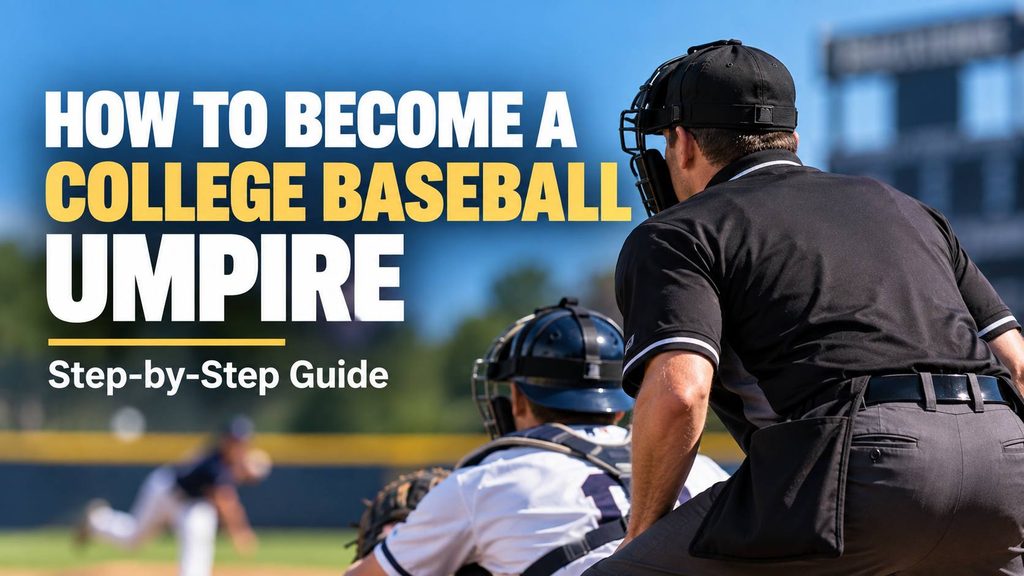
How to Become a College Baseball Umpire Complete: Guide

Dreaming of college baseball umpiring? This practical guide shows you how to get there—from learning NCAA rules and mechanics to building a track record and networking with assigners. With clear steps, realistic timelines, and honest field-based advice, you’ll stay calm, work clean games, and climb to college assignments and beyond.

How Much Money Do College Baseball Umpires Make

How much do college baseball umpires make? It’s not a fixed salary but a mosaic of per-game fees, travel reimbursements, and postseason bumps. From Division I weekends to NAIA midweeks, earnings depend on level, conference, crew size, and miles driven. This beginner-friendly guide breaks down pay, expenses, and scenarios.

How Much Money Do Baseball Umpires Make

Baseball umpires do more than shout safe or out; they steer the game and make split-second calls under pressure. Pay follows the ladder: MLB crews earn six-figure salaries with per diems and postseason bonuses, while minor leaguers get seasonal pay. College and high school umpires are paid per game, plus travel and gear costs.

How Much Do Mlb Referees Make 2026 Salary: Report

Curious how much MLB umpires earn under pressure? Umpire pay is salaried, not per-game. In 2026, base salaries likely range from $200k–$230k for early-career, $350k–$430k for veterans, and $450k–$550k for crew chiefs, with per diems, travel, and postseason bonuses boosting total compensation. Postseason work can push earnings into six figures.