
We are reader supported. When you purchase through links on our site, we may earn an affiliate commission. Also, as an Amazon affiliate, we earn from qualifying purchases.
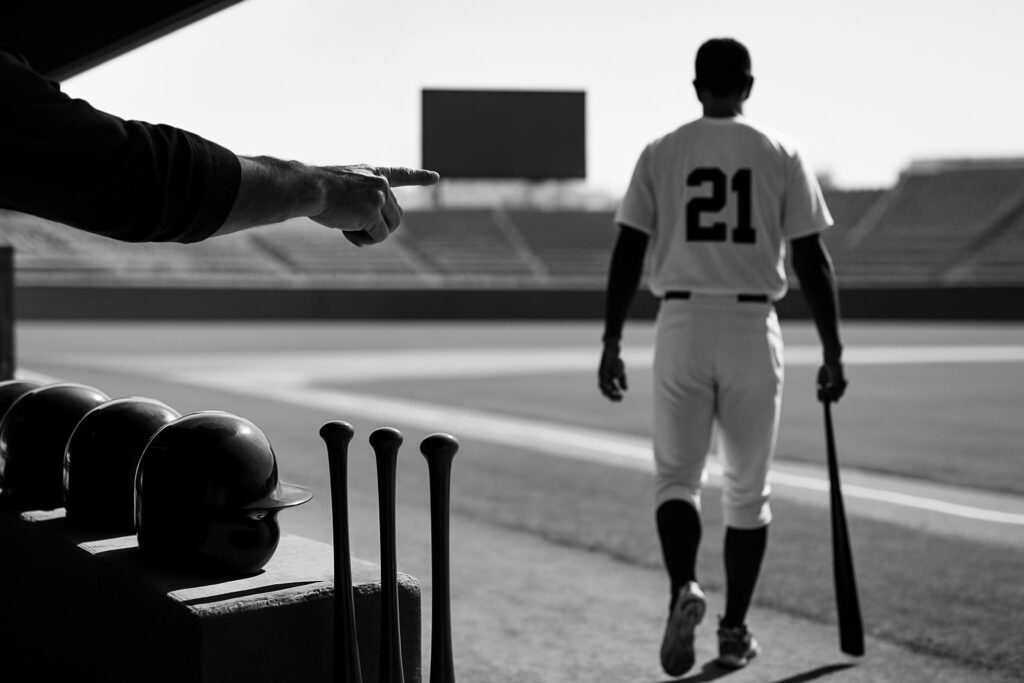
A tight game. A key at bat. The manager points to the bench. A new hitter grabs a helmet and walks to the plate. That choice can swing the game. If you want to understand exactly what just happened, how the rules work, and why managers lean on this move, this guide covers it from start to finish.
Introduction
Pinch hitting is one of the clearest tests of decision making in baseball. It blends rules, matchups, and timing under pressure. Done well, it turns a small edge into a run. Done poorly, it burns a player and weakens defense later. This article explains what a pinch hitter is, the core rules, the strategy behind the move, and how teams evaluate it. You will get a clean, step by step view so you can track the logic in any game and spot the next move before it happens.
What Is a Pinch Hitter
Basic definition
A pinch hitter is a substitute batter who replaces the scheduled hitter for a plate appearance. The team uses a bench player in place of the current spot in the batting order. The goal is simple. Put the best possible hitter in the box for that specific moment.
When is a pinch hitter used
A manager can call for a pinch hitter any time the ball is dead and the original batter has not completed the plate appearance. This can be before the at bat begins or even after the count has started. The pinch hitter assumes the count. The most common use comes late in games, in high leverage spots, against tough pitching matchups, or when the starting player is not the best fit for that moment.
Core Rules of Pinch Hitting
Substitution is permanent
At the professional level, substitutions are permanent. Once a pinch hitter is officially announced to the umpire, the original batter is out of the game. There is no reentry. This permanence drives the risk management behind every pinch hit decision.
Batting order stays intact
The batting order spot does not change. The pinch hitter takes over that exact spot for the rest of the game. If that spot comes up again later, either the pinch hitter bats again or a new substitute takes that turn. The order remains a fixed sequence.
Defensive consequences
If the pinch hitter stays in the game after the at bat, that player must take the field in the next half inning. The pinch hitter now occupies the defensive role of the player who was removed, or the manager can make another defensive substitution to cover the position. Every pinch hit move therefore has a defensive cost that must be considered in advance.
Designated hitter interactions
If a team uses a designated hitter, a manager can pinch hit for the DH. The new batter becomes the DH. No defensive spot is required unless the manager later moves the DH to the field, which would carry further consequences. If a manager pinch hits for a non DH position player, someone must cover that defensive position in the next half inning.
Pitching change dynamics
Once the offense announces a pinch hitter, the defense can respond with a pitching change, subject to pitching change rules. If the defense changes pitchers after the pinch hitter is announced, the offense can then replace that pinch hitter with another one. The first pinch hitter is now burned. Managers use timing to avoid giving the other side a clean counter.
Timing and announcement
A substitution becomes official when the manager informs the plate umpire and the umpire signals the change. A player who simply picks up a bat is not yet in the game. Because the announcement locks the move, managers often wait until the opponent shows a final choice on the mound. Game state, mound visits, and warm up time all shape this timing.
Pinch hitter vs pinch runner
A pinch hitter is a substitute for the batter. A pinch runner is a substitute for a runner already on base. They solve different problems. You can use one, the other, or both in sequence. Once used, each substitution is also permanent at the professional level.
Why Teams Use Pinch Hitters
Platoon advantage
Matchups matter. A left handed hitter often performs better against right handed pitchers, and the reverse is also true. A pinch hitter can create a stronger platoon edge than the scheduled batter. Managers study splits by handedness and pitch type to find small but real bumps in expected value.
Leverage and win probability
Not all outs have the same weight. A plate appearance in the eighth inning with the tying run at second carries more leverage than a first inning at bat with no one on. Managers weigh the leverage index and aim to deploy one of their top bench bats when the outcome swing is largest. The idea is to spend your best resource when it changes win probability the most.
Contact vs power fit
Game context shapes the hitter type you want. With a runner on third and one out, a high contact hitter who lifts the ball may be better than a pure slugger with strikeout risk. With two outs and no one on, a power bat can create instant value. A pinch hitter lets the manager tailor the approach to the situation.
Neutralizing a specialist reliever
Teams carry relievers with strong splits or unique pitch mixes. If the opponent brings in a lefty specialist to face a string of left handed batters, a right handed pinch hitter can blunt that plan. Managers also use pinch hitters to get a better contact profile against high velocity or to counter a specific breaking ball mix.
Health, fatigue, and role clarity
Starters may be nursing minor issues or showing signs of fatigue. A bench player who spends all day prepping for a single at bat can offer a sharper swing in a key spot. Clear roles on the bench help players lock in on preparation, timing, and mental routine.
How the Rules Shape In Game Choices
One move, many ripples
Pinch hitting trades present value for future flexibility. You might gain a few percentage points of expected run value now but lose defensive range or catching depth later. The rules make this a one way door. A manager must map out the final three innings, not just the next pitch.
Protecting premium positions
Catcher, shortstop, and center field carry high defensive value. Pinch hitting for those players is rare unless the bench has a reliable defender ready. Burning your only backup catcher can trap a team if an injury happens. Good managers track who is left for each spot before calling for a bat.
Universal DH era impact
With a universal DH at the highest level, pitchers no longer hit in standard games. That reduces automatic pinch hits late in games to remove a pitcher from the box. Pinch hitting still matters, but the focus shifts to replacing weaker bats among position players and the DH slot. The double switch is less frequent, but it still appears in games where the DH is lost due to a defensive shift or in leagues without a DH.
Announce or wait
If the offense announces a pinch hitter too early, the defense can bring in a better matchup and neutralize the move. If the offense waits too long, the umpire may rule the scheduled batter as the official hitter once play is ready. Skilled managers time their announcement to keep options open while meeting the rules and tempo of the inning.
Managerial Decision Framework
Read the game state
Score, inning, outs, and base runners set the leverage. The same hitter can be the right call in one state and the wrong call ten minutes later. A clear mental model converts game state into expected runs and win probability. That model guides bench usage and holds back one top bat for the single highest leverage plate appearance.
Study the matchup
Handedness is only the start. Managers and analysts check velocity bands, pitch usage, movement profiles, and command trends. If a reliever leans on sliders down and away, a hitter with a track record of lifting that pitch may be better than a general power bat. Micro fit can beat raw talent when the margin is tight.
Consider the count and rhythm
You can replace a batter during a plate appearance while the ball is dead. The pinch hitter inherits the count. If the count is favorable, you might keep a disciplined starter at the plate. If the count is tough, a contact specialist might be better equipped to protect the zone. Rhythm also matters. A cold bat against a reliever who is already locked in can dull the edge. Quick cage swings and timing drills help, but the manager must weigh readiness.
Plan the defensive inning
Before calling for a pinch hitter, decide how the next half inning will look on defense. If you remove a corner outfielder for a bat, can you keep the lead with a slower defender? If you pull an infielder, do you have a steady glove to replace him? Good decisions link the at bat to the next three outs in the field.
Track bench and bullpen depth
Every pinch hit burns a player. Every pitching change burns a reliever for at least the minimum batter rule. Managers compare their remaining bats to the likely relievers they will face in the next two innings. The best call aligns your last strong bench bat with the other team’s last strong reliever. You avoid wasting a premium bat against a low leverage arm or saving him for a spot that never comes.
Balance data and feel
Numbers frame the decision. Feel and player readiness execute it. A player who has tracked the current pitcher from the dugout, studied video, and rehearsed timing may beat a cold but higher rated option. Managers add that layer only after the rule and matchup math checks out.
Advanced Tactics
Force the other manager’s hand
A manager may send a batter to the on deck circle without announcing a substitution. The defense might react with a mound visit or a warm up flurry. Once the defense declares a final pitcher, the offense can either stick with the original hitter or make the pinch hit official. The aim is to trap a specialist reliever in a bad matchup without burning a bench bat needlessly.
Use leverage earlier than fans expect
Leverage can peak in the sixth or seventh inning. Waiting only for the ninth wastes value. If a matchup in the seventh is the best you will see, you may spend your top pinch hitter then. Many good decisions feel early in real time but are correct by win probability.
Pinch hit chains
Sometimes one move leads to a chain. The offense announces a right handed pinch hitter. The defense brings a right handed reliever. The offense now pivots to a left handed bat, burning the first pinch hitter but landing a better edge. This tactic costs depth but can flip the inning if the matchup swing is strong enough.
Protect defense with a second move
If the pinch hitter is a bat first player with limited range, the manager can follow up with a defensive replacement in the next half inning. This two step plan captures the run value of the at bat and restores fielding quality. It costs a second bench player, so the timing must reflect the game length remaining.
Mind the catcher spot
Many teams avoid pinch hitting for the starting catcher unless the backup is ready and warm. If the backup enters and later gets hurt, you may need an emergency catcher. This is another reason why mapping the entire endgame matters before you make the move.
Pinch Hitter vs Designated Hitter
Different roles
A designated hitter bats in place of a fielder for the entire game unless the manager changes it. A pinch hitter is a one time or limited use substitute tied to a single plate appearance and the fixed batting order spot. After pinch hitting, the player can remain in the game or be replaced later. The DH is a lineup role. The pinch hitter is a substitution tactic.
Pinch hitting for the DH
You can pinch hit for the DH. The new hitter becomes the DH and does not take a defensive position unless the manager later chooses to move the DH into the field. Pinch hitting for the DH is common when a bench bat profiles better against a specific reliever.
Evaluating Pinch Hit Decisions
Key stats and concepts
Several metrics help measure pinch hitting value:
Platoon splits. Performance by pitcher handedness. Useful for matchup edges.
OPS and wOBA. Overall hitting value. Higher is better, but context matters.
Leverage index. Measures how important the situation is. Higher leverage amplifies differences in hitter quality.
Win probability added. Captures the change in win odds from a play or plate appearance. Over time, good pinch hit timing should raise team WPA.
Sample size caution
Pinch hit samples are small. Many great hitters perform worse in pinch hit roles because of limited reps and timing issues. Use broad skill indicators and matchup fit rather than raw pinch hit batting average. The right question is not how a player hit in ten prior pinch at bats. The right question is how this swing of skills fits this exact pitcher in this exact leverage spot.
Mental and routine factors
The best pinch hitters prepare all game. They track the pitcher from the dugout. They run mini routines in the cage. They visualize game states and pitch sequences. They step in with a clear plan. These steps reduce the cold start problem and help turn a narrow edge into a usable one.
Common Mistakes and How to Avoid Them
Burning the bench too early
Spending two strong bats in the sixth can leave you with weak options against a top closer in the ninth. Avoid this by mapping the likely reliever path and preserving a counter for the last matchup you expect to see.
Ignoring defense
Replacing a steady glove can cost runs the next half inning. If your pitcher is a ground ball arm, downgrading infield defense can erase the value of a single. Always pair the pinch hit decision with a defensive plan.
Chasing a hot hand
Small streaks feel persuasive. Trust the base skills and the matchup fit. Use recent performance as a tiebreaker only after the core factors align.
Telegraphing the move
Announcing too soon invites the opponent to counter with a better reliever. Control the timing. Force the other side to commit first when possible.
Situational Playbook
Runner on third, less than two outs
Prioritize contact quality that lifts the ball. A hitter with a line drive or fly ball profile improves the odds of a run scoring ball in play. Avoid extreme strikeout bats if an equal quality contact hitter is available.
Two outs, bases empty
Power has more value. An extra base hit changes the inning. Choose a hitter with slugging upside even if contact is slightly lower.
Pitcher with wild command
A disciplined hitter who tracks the zone can draw a walk or force a mistake pitch. Swing decisions matter more than raw bat speed in this case.
High velocity, elevated fastballs
Seek a hitter with a history of handling velocity and getting on plane up in the zone. Short swings and quick hands beat long levers here.
Slider heavy reliever
Target a hitter who stays through the ball and drives breaking pitches the other way. Chase rate discipline is crucial. If the bench bat expands the zone, the advantage fades.
Youth and Amateur Considerations
Rule variations
Many amateur leagues allow reentry or have lineup flexibility rules that differ from professional play. Always confirm local rules before planning pinch hit usage. The concepts of matchups and leverage still apply, but roster impact may be softer if reentry is allowed.
Preparing the role
Teach bench hitters to track pitchers from the first inning. Build a short, repeatable activation routine. Ten light swings, two timing swings off a machine or tee, and a clear two pitch plan can be enough. Simplicity and readiness beat guessing.
Role clarity
Players perform better when they know how and when they might be used. Assign one or two players as primary pinch hit options for specific matchups. Communicate likely windows during pregame. This improves timing and reduces anxiety.
Step by Step: Executing a Pinch Hit
Before the move
Confirm the leverage and matchup. Decide if the expected run value gain outweighs defensive and depth costs. Identify the defensive alignment for the next half inning. Prepare a counter if the opponent changes pitchers.
During the move
Inform the plate umpire to make the substitution official. Make sure the pinch hitter understands the game state, the plan for the first pitch, and the zone to attack. If entering mid count, confirm the count and pitch pattern.
After the at bat
Either keep the pinch hitter in the game and place him in the field or announce a defensive replacement. Recheck bullpen and bench depth for the next leverage spike.
Putting It All Together
A clean checklist
Game state and leverage. Matchup and handedness. Pitch mix and count. Defensive plan. Bench and bullpen depth. Timing of the announcement. If all six are aligned, pinch hitting is likely correct.
Conclusion
A pinch hitter is more than a fresh bat. It is a calculated trade. You exchange roster flexibility and some defensive certainty for a spike in expected run value right now. The rules make the move permanent, which heightens the stakes and rewards planning. When you watch a manager point to the bench, you can now read the layers behind that finger. You know why the move fits, what it costs, and how the next three outs will test it. That clarity turns a single substitution into a live lesson in baseball strategy.
FAQ
Q: What is a pinch hitter
A: A pinch hitter is a substitute batter who replaces the scheduled hitter for a plate appearance, taking over that spot in the batting order for the rest of the game.
Q: When can a manager use a pinch hitter
A: A manager can call for a pinch hitter any time the ball is dead and the original batter has not completed the plate appearance, even after the count has started, and the pinch hitter assumes the count.
Q: Can a pinch hitter stay in the game on defense
A: Yes. If the pinch hitter stays in the game after the at bat, that player must take the field in the next half inning or be covered by another defensive substitution.
Q: What is the difference between a pinch hitter and a designated hitter
A: A designated hitter is a lineup role that bats in place of a fielder for the game, while a pinch hitter is a one time or limited use substitute tied to a single plate appearance and the fixed batting order spot.
Q: Can you pinch hit for the DH
A: Yes. You can pinch hit for the DH, and the new hitter becomes the DH without taking a defensive position unless later moved to the field.