

We are reader supported. When you purchase through links on our site, we may earn an affiliate commission. Also, as an Amazon affiliate, we earn from qualifying purchases.
Wondering if you can wear American football cleats on a soccer field? You are not alone. Many players want to save money, use one pair for multiple sports, or borrow a pair for a quick game. The short answer is that it depends on the cleat design, the surface, and the rules of your league. Some football cleats might pass a referee inspection and function decently for casual soccer, but many will hold you back, feel uncomfortable, or get flagged as unsafe. This guide breaks down the key differences, explains when it might work, when it definitely does not, and how to choose the right footwear so you stay safe and play better.
Quick Answer: Can American Football Cleats Be Used for Soccer?
Sometimes, but expect trade-offs. If the football cleats do not have a prominent front toe stud, have shorter molded studs, and sit lower around the ankle, a referee may allow them in a casual game. Still, they will usually feel heavier, stiffer, and less responsive than proper soccer cleats. In most organized leagues, especially youth and school-level competitions, football cleats with a front toe cleat are often rejected for safety. If you play soccer regularly, proper soccer cleats are the better choice for touch, traction, comfort, and compliance.
Why Football and Soccer Cleats Are Not the Same
Stud Pattern and Shape
Soccer cleats use shorter, more evenly distributed studs for multi-directional cuts, quick pivots, and controlled traction at high speed. Football cleats often feature more aggressive, longer studs to generate push in straight-line bursts and for digging into turf during blocking or sharp directional moves. The differences in angle, density, and shape affect grip and release. Overly aggressive traction can stick your foot to the ground when you try to pivot in soccer, increasing the risk of twists and strains.
Toe Cleat and Safety
Many football cleats add a front toe stud centered under the big toe. This helps football players explode off the line but is problematic for soccer. Some referees consider the toe cleat unsafe because it can catch the ball or turf awkwardly and increase injury risk during tackles. While official rules focus on safety rather than specific layouts, many leagues and referees disallow toe-cleat designs by default.
Outsole Stiffness and Flex
Soccer cleats are built to flex with the foot for constant movement, touch, and ball control. Football cleats can be stiffer through the midfoot to support blocking and straight-line power. A stiffer plate makes the cleat feel less nimble and can make your touch feel clumsy. It can also fatigue your arches over a full soccer match.
Upper and Ball Control
Soccer uppers prioritize touch. Leather or engineered synthetics are tuned for feel across the forefoot and instep, where you control and strike the ball. Football uppers prioritize structure, stability, and durability against contact. That emphasis can make a football cleat feel thick or plasticky around the ball, reducing precision in dribbling and passing.
Ankle Height and Mobility
Football cleats commonly come in mid or high cuts for added ankle support during contact. Soccer cleats are typically low cut for full ankle mobility. A higher collar may feel supportive, but it can limit quick pivots and natural foot articulation, which you need in soccer.
Weight and Agility
Soccer cleats aim to be light for acceleration and agility. Football cleats often weigh more due to added structure. Over 90 minutes, that difference adds up and can slow your reactions or cause fatigue.
Rule Compliance
Soccer referees inspect footwear for safety. Toe studs, sharp-edged studs, or excessively worn or damaged cleats may be rejected. Even if a football cleat is structurally safe, the presence of a toe cleat often leads to a no. It’s the referee’s call, and that varies by league and experience.
Safety and League Rules You Should Know
Youth and School Leagues
Youth organizations and high school leagues frequently disallow football cleats with a front toe stud in soccer. Safety is prioritized, and officials err on the side of caution. If your child plays both sports, consider a dedicated soccer cleat to avoid failed inspections or comfort issues.
Adult Recreational Leagues
Adult rec leagues can be more flexible, but it depends on the referee. If a toe cleat is present or if studs look sharp, overly long, or inappropriate for the surface, expect a thumbs down. Always bring a backup pair.
What Referees Look For
Referees check that studs are safe, not excessively long or sharp, and appropriate for the playing surface. They look for damage, loose or missing studs, and designs that could injure an opponent. Even if your football cleats pass the inspection, they may still feel less suited to soccer movement patterns.
When You Might Get Away With Football Cleats for Soccer
Casual, Short Sessions
Pick-up games or light training on grass might be fine if your football cleats have no toe stud and use molded rubber studs of moderate length. Keep the intensity modest and avoid wet, muddy fields where the studs could grab too aggressively.
Hard Ground or Dry Grass
Hard, dry grass is more forgiving because stud penetration is limited. A football cleat with shorter molded studs can feel passable, though still not ideal for ball feel. Avoid high-cut models if you want better mobility.
If Your Priority Is Budget and You Play Rarely
If you play soccer only a few times a year, you might use what you have for a short-term solution. But if you plan to play more than occasionally, invest in soccer cleats for comfort, control, and safety.
When You Should Not Use Football Cleats for Soccer
Toe-Cleat Designs
If there is a front toe stud, do not wear them for soccer. You risk failing inspection and increasing injury risk, especially in challenges or when your toe digs into the turf unexpectedly.
Wet or Muddy Conditions
Football stud layouts can bite too hard in soft ground, leading to stuck feet during pivots. This increases the risk of ligament strain or knee injuries. Soccer-specific soft-ground studs are safer and tuned for release as well as grip.
Competitive Matches or Tryouts
Use proper soccer cleats when stakes are higher. You will move better, reduce injury risk, and avoid equipment issues with officials.
Choosing the Right Cleats by Surface
Firm Ground Natural Grass
Firm ground soccer cleats are the most common. They use molded studs tuned for traction and quick release. They balance grip with agility so you can accelerate, cut, and pivot without sticking.
Artificial Grass and Turf
AG or turf soccer shoes spread pressure across many smaller studs or nubs, reducing joint stress and slipping on synthetic surfaces. Football cleats on turf often feel too aggressive and can increase stress on knees and ankles. Use AG or turf shoes for longevity and comfort.
Soft Ground Natural Grass
SG soccer cleats use longer, often replaceable metal or hybrid studs for muddy fields. These are specialized and used where permitted. Do not use them on firm ground or turf surfaces.
Indoor Surfaces
Indoor soccer shoes have flat, grippy soles with no studs. Football cleats are not suitable indoors.
Fit and Comfort Tips
Snug but Not Painful
Soccer relies on quick cuts and ball control, so a secure fit is essential. Aim for a snug wrap with minimal heel slippage. Leave a small gap at the toe for comfort but avoid dead space that makes your foot slide inside the shoe.
Consider Width and Upper Material
Leather can stretch slightly and shape to your foot over time. Synthetics are lighter and retain shape well. If you have wide feet, look for models known for accommodating width.
Break-In Gradually
Wear new cleats for short sessions first. Lace them properly, and use performance socks. If any hot spots appear, address them early to avoid blisters.
Care and Maintenance
Clean After Each Use
Brush off dirt and let cleats air dry. Avoid direct heat sources to protect materials and glue. Stuffing with paper helps absorb moisture.
Rotate If You Play Frequently
If you play multiple times a week, consider rotating pairs to extend lifespan and maintain cushioning and structure.
Check Studs and Laces
Inspect studs for wear or damage. Replace laces if they fray. Consistent upkeep keeps you safer and more comfortable.
Top Picks: Soccer and Football Cleats to Consider
These selections illustrate the differences between soccer-focused designs and football models. If your goal is to play soccer confidently, lean toward the soccer options for the right blend of touch, traction, and comfort.
Adidas Copa Mundial (Soccer, Firm Ground)
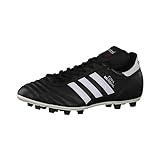
The Copa Mundial is a classic leather soccer cleat known for comfort and touch. The stud pattern is tuned for firm grass, and the K-leather upper molds to your foot over time. It is not the lightest shoe, but it provides a confident platform for passing, shooting, and all-around play.
Why it helps: Excellent touch, reliable traction on firm ground, and a forgiving fit that works for many foot shapes.
Best for: Players who value comfort and control over ultra-light speed; training and matches on natural grass.
Potential downsides: Slightly heavier than modern synthetic options; not ideal for wet, muddy fields or artificial turf.
Nike Vapor Edge Pro 360 2 (Football, Low-Cut)
This football cleat is a lighter, lower-cut option with a plate built for acceleration and lateral speed. Among football designs, it is closer to what a soccer player might tolerate due to its lower collar and more agile feel. Still, stud geometry and plate stiffness are tuned for football, not soccer touch.
Why it helps: Lower-cut silhouette improves mobility compared to high-cut football cleats; speed-focused build.
Best for: Players who cross over between sports and need a football-first cleat that does not completely sacrifice agility.
Potential downsides: May feature aggressive traction and plate stiffness; may not pass soccer inspection depending on stud design; not optimized for ball control.
Under Armour Highlight Franchise RM (Football, Mid/High-Cut)
This model emphasizes ankle support and containment with a higher collar. It locks the foot for football’s demands, but that higher cut reduces the ankle freedom soccer players need for rapid pivots and fluid touch on the ball. It is durable and supportive but not a good fit for regular soccer use.
Why it helps: Strong support and stability under contact; molded rubber studs for durability.
Best for: Football players who want stability and a supportive feel.
Potential downsides: Reduced ankle mobility; heavier feel; very likely to feel clunky in soccer and may not pass inspection depending on stud layout.
Adidas Adizero Football Cleats (Football, Speed-Oriented)

The Adizero line is known for lightweight construction and sprint-minded traction. Among football cleats, it offers a more streamlined feel. Even so, the outsole and stud design cater to straight-line bursts, and touch on the ball will feel distant compared to soccer boots.
Why it helps: Lightweight profile for quick acceleration in football contexts; breathable upper.
Best for: Football players prioritizing speed and minimal weight.
Potential downsides: Not tuned for soccer’s constant multi-directional movement and ball control; may raise compliance questions if a toe stud is present or studs are too aggressive.
What to Look For If You Still Consider Using Football Cleats for Soccer
No Toe Cleat
Avoid any design with a front-centered toe stud. This is the most common reason for failed inspections and increased injury risk. If the cleat has a smooth forefoot without a protruding toe stud, you have a better chance with referees.
Lower Collar, More Flex
Choose a lower cut for better ankle mobility, and look for a plate that flexes with your foot. The more natural the flex, the safer and more comfortable it will be in soccer.
Molded, Shorter Studs
Shorter, rounded molded studs are less likely to stick during pivots and are more likely to pass safety checks. Avoid overly long or sharp-edged studs on soccer fields.
Try It in Light Training First
Before using football cleats in a match, test them in a short, low-intensity session. If you feel any sticking, instability, or discomfort during quick turns, switch to soccer cleats.
FAQ: Common Concerns Answered
Are football cleats illegal in soccer?
There is no universal ban on football cleats by name. Referees judge footwear based on safety and suitability. However, toe-stud football cleats and aggressive stud layouts often fail inspections. Many leagues and referees recommend soccer-specific cleats to avoid issues.
Can I use soccer cleats for football?
It is possible for some positions in low-contact contexts, but football demands more protection and support. If you play organized football, use football-specific cleats that provide the necessary structure for the position.
Will football cleats damage turf fields?
Aggressive, longer studs can be tough on turf and your joints. Turf-specific soccer shoes distribute pressure more evenly and are recommended for synthetic surfaces.
What if I only play soccer once a month?
If your participation is rare and casual, you might manage with a gentle football cleat that lacks a toe stud, on dry grass, and at low intensity. For anything more regular, soccer cleats are worth it for performance and safety.
Practical Buying Tips for Soccer Players
Match the Cleat to Your Main Surface
Choose FG for firm natural grass, AG or turf for artificial fields, and SG only for muddy grass where allowed. Wearing the wrong stud type on the wrong surface reduces performance and raises injury risk.
Fit Comes First
A snug, secure fit boosts confidence in first touch and quick movements. If you are between sizes, consider trying both and pick the one that locks your heel without pinching the forefoot.
Balance Budget with Usage
If you play weekly, a mid-tier or classic leather option often outlasts a bargain pair. If you only play recreationally, a value pick like the Goletto can be enough to get you moving safely.
Bottom Line
You can sometimes use American football cleats for soccer, but you will compromise comfort, control, and often safety. Toe-cleat designs are commonly rejected, stiff plates can limit natural movement, and aggressive studs increase the risk of getting stuck during pivots. Soccer-specific cleats exist for a reason: they improve grip and release, protect your joints, and enhance ball feel. If you play even semi-regularly, choose a soccer model that matches your surface and fit needs. Your feet, your game, and likely your referee will thank you.