
We are reader supported. When you purchase through links on our site, we may earn an affiliate commission. Also, as an Amazon affiliate, we earn from qualifying purchases.
The crew chief is the steady hand that keeps a baseball game on track. When a close call ignites a dugout, when rain rolls in, when a replay stretches on, the crew chief guides the crew, calms the field, and makes sure the rulebook is applied the right way. If you watch baseball and wonder who actually manages the officials on the diamond, this guide is for you. We will define the role, show how it works inning to inning, and explain why the crew chief matters as much as any player on the field.
By the end, you will know what a crew chief is, what they do, what they do not do, how they lead, and how to spot their influence in real time. Keep reading, and the next time a game swings on a razor thin decision, you will know exactly who is directing the moment.
What the term crew chief really means
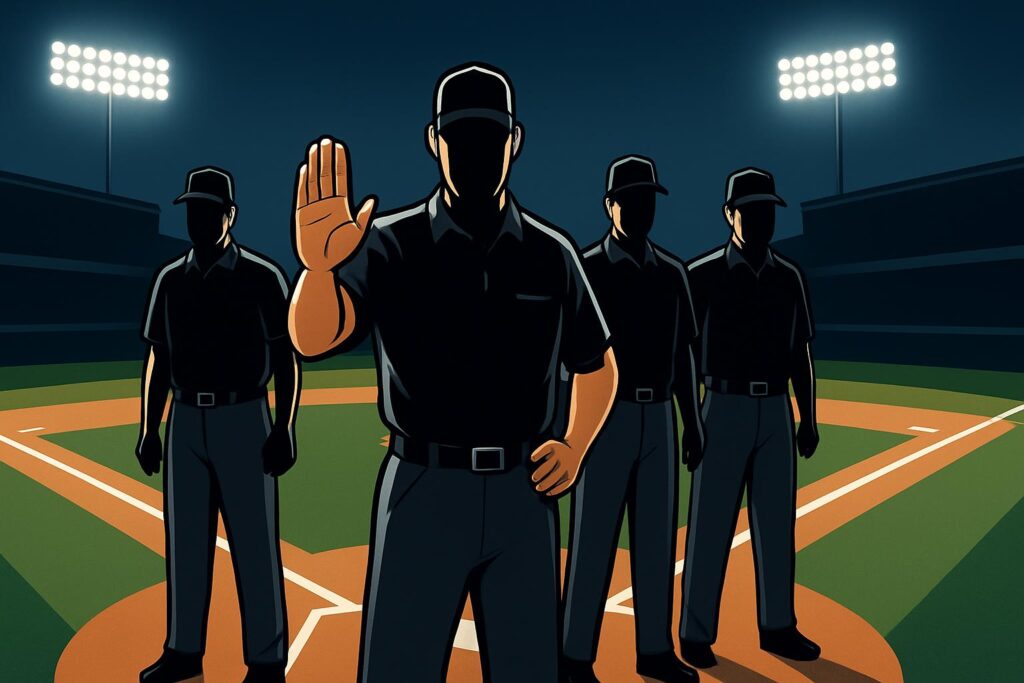
A crew chief is the leader of an umpire crew. In professional baseball, regular season games are usually staffed by four umpires. One works the plate, three work the bases. The crew chief is the most senior leader among them, selected by the league to manage the crew on and off the field.
Leadership is the core of the role. The crew chief does not call every play. Each umpire owns the plays in their area. The chief oversees the crew’s performance, coordinates communication, and guides the crew through complex or heated moments. Think of the crew chief as the captain of the officials. The game has one plate umpire in charge of balls and strikes for that night, but the crew chief is in charge of the team of umpires across the series.
This role exists across levels. You will see it in Major League Baseball, in high level minors, and in top softball leagues. Specific mechanics vary, but the purpose is the same. Keep the game fair, safe, consistent, and under control.
Crew chief vs plate umpire
These two roles often get mixed up. The plate umpire is the umpire in chief for that game. They call balls and strikes and manage the official lineup card and substitutions during play. The crew chief is the crew leader across the series and sometimes across multiple series. A crew chief may or may not be the plate umpire on a given night. Assignments rotate. Authority overlaps in some areas, but the scope is different. The plate umpire runs the plate. The crew chief runs the crew.
How a crew chief leads a game
Before the first pitch
Preparation starts well before the anthem. The crew chief runs a pregame with the crew. The goals are clear positioning, clean mechanics, and shared expectations. They review ballpark specific ground rules. They review tendencies that may affect coverage, such as unique outfield corners or camera wells near the foul line.
At the home plate meeting, the crew chief ensures ground rules are confirmed with both managers. If the crew chief is not working the plate that night, they still oversee this moment. The plate umpire will handle lineup card exchange and formalities. The crew chief makes sure the crew and both clubs leave with the same understanding of how the field will be called.
During live play
Once the game starts, the crew chief supervises positioning, rotations, and coverage. The goal is to get the best angle on every play. The chief cannot be everywhere, but they can make sure the right umpire is in the right place. If confusion arises, the chief calls for a crew conference to share information, align on rules, and correct a call if the rules allow it.
Communication is constant. The chief watches for developing situations, such as potential interference, obstruction, catch or no catch in the outfield, runners missing bases, or fan interference near the wall. When a play triggers multiple rules at once, the chief steps in to organize the ruling. Precision matters, but so does speed. The crew chief balances both.
Weather and field conditions
Weather decisions demand judgment and coordination. The chief works with the plate umpire, the home club, the visiting club, and league guidance to manage delays and suspensions. Player safety comes first. Surface conditions, lightning in the area, and forecast trends all factor into the call. The crew chief leads the on field side of this process and ensures both teams receive the same instructions.
The crew chief and replay
Modern baseball uses video review for a defined set of plays. Managers challenge eligible calls, and replay officials at the league center review the footage. On the field, the crew chief manages the process. The chief announces the review, coordinates the headset communication, and delivers the final ruling to the stadium once the decision arrives.
This is not about guessing. It is about protocol. The crew chief confirms the play category, ensures the timing of the challenge meets the rules, and communicates any placement of runners that might result from an overturned call. Since 2022, umpires announce replay outcomes on the field using a microphone. You will often see the crew chief handle that announcement. Clear words reduce confusion and tension.
Replay does not erase the role of the umpires. Many plays remain judgment calls that are not reviewable. For those, the crew chief relies on crew mechanics and conferences to get the play right. For replay eligible plays, the chief makes sure the process is fair and efficient.
Authority and limits
The crew chief has real authority, but it sits within the rulebook and the league’s instructions. Understanding what the chief can and cannot do helps you read the game.
What the crew chief can do
Lead the crew’s pregame plan and in game adjustments. Call for and direct crew conferences to exchange information. Clarify rules with managers. Oversee replay logistics and announce outcomes. Guide weather and field condition decisions with the plate umpire. Manage tense moments to protect order and safety. Mentor and evaluate crew performance. Coordinate with league staff on any unusual events.
What the crew chief cannot do
They cannot unilaterally change a judgment call made by another umpire without a proper crew conference or replay. They cannot ignore replay or timing rules for challenges. They cannot invent ground rules that conflict with league policy. They cannot give one team private information about coverage or positioning. They cannot decide outcomes based on anything other than the rules and the plays observed.
Game management in tough moments
Arguments and ejections
Any umpire can eject a player or manager for misconduct. When arguments start, the crew chief often takes the lead voice. The approach is simple. Listen. State the ruling. End the argument once it crosses a line or stalls the game. After an ejection, the chief calms the field and resets play. The chief also files the required report to the league.
Complex rules plays
Baseball has moments that blend multiple rules. A runner and a fielder collide. A fielder obstructs a runner while a ball is in play. A batter interferes with a catcher on a steal attempt. On these plays, the crew chief brings umpires together to piece together angles and timing. The ruling can include outs, runner placement, and whether the ball is alive or dead. The chief ensures the rule is applied and that the explanation to each manager is consistent and complete.
Benches clear
Mass confrontations are rare but intense. The crew chief controls the response. Separate the main actors. Keep the benches apart. Identify the instigators with the help of the crew. Issue warnings if the rules and situation call for them. Resume play only when order is restored. Documentation follows.
Fan interference and stadium coordination
When a spectator reaches into play, the call involves judgment and placement. The crew chief takes charge. Confirm whether interference occurred. Decide whether the ball would have been caught or where runners would have advanced. Coordinate with stadium security if needed. Announce the outcome to both managers.
Crew dynamics and mentorship
Great crew chiefs are teachers. They develop younger umpires by sharing mechanics, language, and presence. They give feedback that is specific and timely. They help newer crew members learn how to defuse conflict and how to explain rulings with confidence and respect.
Rotation is part of that mentorship. Crews rotate plate and base assignments across a series. The crew chief balances experience with growth opportunities so that each umpire stays sharp in every position. The end result is a crew that functions as one unit instead of four individuals.
Off field work you do not see
The public sees the calls. The real craft includes a lot of unseen work. The crew chief organizes travel rhythms with the crew so that rest and readiness stay high. They plan pre series reviews of ballpark features that affect plays. They lead postgame debriefs to learn from any misses or messy sequences.
Paperwork matters too. After unusual incidents, the crew chief ensures timely and accurate reports to the league. If a controversial ruling prompts questions from a designated pool reporter, the crew chief often provides the official explanation on behalf of the crew. Clarity builds trust, even when fans disagree with the call.
Qualifications and the path to becoming a crew chief
Reaching crew chief status takes years. Umpires build their careers in the minor leagues, master mechanics, and earn call ups. At the top level, consistent accuracy and calm under pressure are minimum requirements. Crew chiefs add leadership, communication skill, and a reputation for fairness.
Leagues select crew chiefs based on a blend of tenure, evaluations, and leadership qualities. Seniority alone is not enough. The job demands judgment that earns respect from partners and from both dugouts. The best crew chiefs lower the temperature of a game when it starts to rise. They keep meetings short and clear. They keep arguments from becoming chaos. They hold themselves and their crew accountable.
Regular season vs postseason responsibilities
Postseason baseball raises the stakes and expands the crew. In many series, two additional umpires are on the field, usually down the lines. That changes coverage and communication. The crew chief leads the bigger unit, aligns rotations, and sharpens pre pitch positioning so that deep fair or foul balls, boundary catches, and trap plays are covered cleanly.
In high leverage moments, the crew chief is often assigned the plate more than once in a series, depending on league policy and assignment plans. Beyond assignments, the chief’s tone matters most. Postseason games can swing on one call. Crisp mechanics, concise explanations, and steady presence under loud pressure are the hallmarks of elite crew chiefs in October.
Working with new rules and technology
Baseball keeps evolving. Pace of play rules, mound visit limits, and timing procedures now shape the flow of a game. The crew chief ensures the entire crew applies these rules the same way from first pitch to last. Consistency is the goal. The chief also coordinates with stadium operations on clocks and announcements so that both teams receive uniform guidance.
Technology extends beyond replay. Communication systems, ballpark cameras, and on field announcements increase transparency. The crew chief embraces these tools while protecting the integrity of the decision making on the field. The standard never changes. Know the rules. Be in position. Communicate with clarity.
Common misconceptions about crew chiefs
Misconception one. The crew chief makes every call. Reality. Each umpire owns calls in their zone. The chief oversees, convenes, and clarifies.
Misconception two. The crew chief is always the plate umpire. Reality. Assignments rotate. A chief can work any position on a given night.
Misconception three. The crew chief can overrule judgment calls at will. Reality. Changes follow rules. Conferences and replay govern reversals.
Misconception four. The crew chief decides outcomes alone in weather delays. Reality. The chief helps lead on field decisions within league policy and with input from the plate umpire and clubs.
Misconception five. Replay replaces the crew chief. Reality. Replay handles defined plays. The chief still manages the process and the many non reviewable moments that shape a game.
Skills that separate great crew chiefs
Presence. When the game is hot, they are calm. When the game is slow, they keep it moving.
Listening. They let managers speak without taking the bait. They focus on facts and rules.
Clarity. Short sentences. Firm voice. Same message to both sides.
Positioning. They teach angles and timing that make calls easier and more accurate.
Accountability. They review misses honestly and adjust mechanics for the next game.
Real world snapshots
Close play at the plate. The base umpire calls the runner out. The offensive manager challenges. The crew chief announces the review, coordinates with the replay center, and relays the decision. If the call is overturned, the chief also confirms where other runners should be placed.
Fan reaches over the wall. The right field umpire signals interference. The crew convenes. The crew chief leads the discussion, decides whether a catch would have occurred, and awards bases. Both managers get a clear, identical explanation.
Rain starts mid inning. The crew chief and plate umpire monitor field conditions. After consultation with both clubs and the grounds crew, play is suspended. The chief communicates the status, keeps both teams informed during the delay, and manages the restart.
Obstruction on the basepaths. The infield umpire signals obstruction. The play continues. At time of play completion, the crew chief gathers facts from each umpire, applies the rule, and places runners. The chief explains the final ruling point by point.
How fans can watch like a crew chief
Track umpire positioning on batted balls. See how the crew angles to view tags and touches. Notice how the chief sets up in double play situations and how the crew rotates when the ball is hit to the outfield.
When a conference happens, watch where each umpire comes from. They share specific angles. The calling umpire often speaks first. The chief guides the sequence and then gives the final statement to both managers.
On replay, look for timing. Did the manager signal quickly. Did the chief announce the exact nature of the review. After the decision, did the chief handle runner placement clearly. Small tells add up to a well managed game.
Why this role matters
Fairness depends on both accuracy and management. Crews without strong leadership can still get many calls right, but tense games reveal the gap. The crew chief delivers order. That order allows players to focus, keeps managers informed, and builds public trust in the process.
Every season brings new rules, new tactics, and new stadium quirks. The crew chief becomes the constant. Same standards every night. Same drive to get it right. Same respect for the rulebook and for the people playing the game.
Conclusion
An umpire crew chief is the leader who makes a game feel fair and steady. They are not the star. You do not notice them when a game runs smoothly. That is the point. They prepare the crew, enforce the rules, manage replay, handle conflict, and teach the craft. They carry the weight of crucial moments and move the night forward with calm decisions.
Now that you know what a crew chief does, you can watch with a sharper eye. See who speaks in crew huddles. Listen for the replay announcement. Notice how quickly tempers cool after a heated pitch. In those moments, you are seeing the hand of the crew chief. That hand keeps the game honest and moving, one decision at a time.
FAQ
What is an umpire crew chief
An umpire crew chief is the leader of the umpire crew who oversees preparation, communication, rule application, replay logistics, and overall game management.
Is the crew chief the same as the plate umpire
No. The plate umpire handles balls and strikes for that game, while the crew chief leads the entire crew across the series and may work any position.
What does the crew chief do during a replay review
The crew chief manages the on field process, confirms the review category and timing, coordinates with the replay center, and announces the final decision and any runner placement.
Can a crew chief overrule another umpire
The crew chief cannot change a judgment call at will. Reversals follow rules through crew conferences or replay when eligible.
How does someone become a crew chief
Umpires earn the role through years of top level performance, leadership, clear communication, and strong evaluations, not just seniority.