
We are reader supported. When you purchase through links on our site, we may earn an affiliate commission. Also, as an Amazon affiliate, we earn from qualifying purchases.
The Triple Crown is the cleanest way sports create a summit. Conquer three elite tests under one banner, and history remembers your name. Simple idea, tough reality. In this guide, you will learn what a Triple Crown is, why it matters, how it differs by sport, and what it takes to claim it. We keep the language clear and the logic tight, so you can follow each step without prior expertise.
Introduction
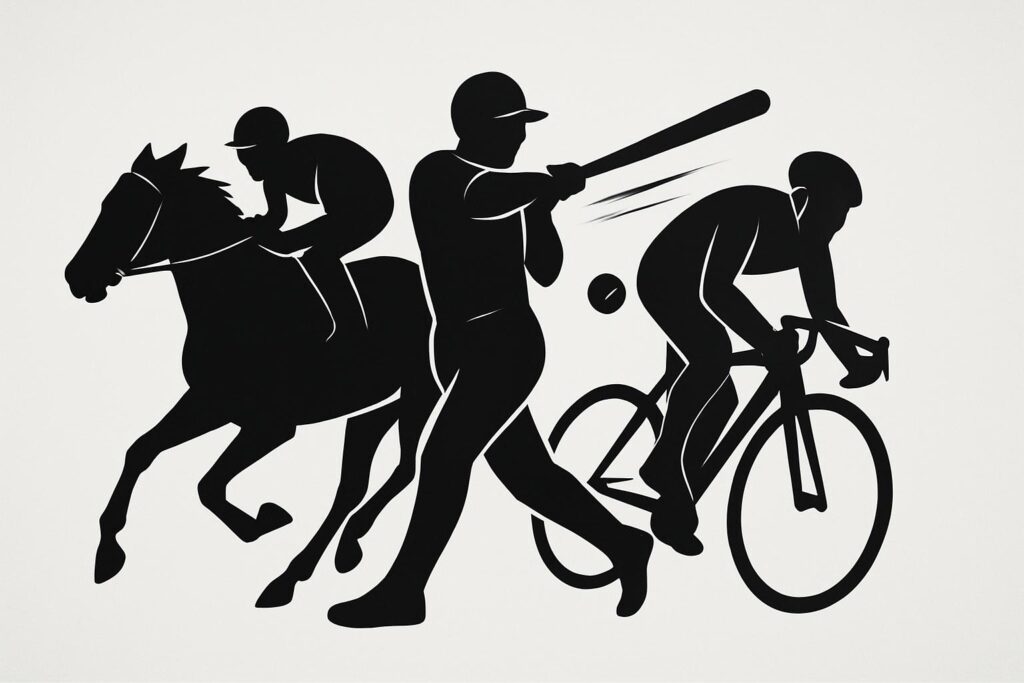
Triple Crown means mastery across three pillars inside one sport. It is a standard that forces range, resilience, and timing. The term appears in horse racing, baseball, cycling, snooker, and rugby union. Each version has its own rules, but the core remains steady. Three defining wins or leads, one season or one campaign, and a place among the few who have done it.
This guide breaks down the term by sport, shows why it is so hard, and explains how to spot a real chase when it is happening. You will see the events, the timing, the skills, and the pressure. When you finish, you will know exactly what the Triple Crown is and how to talk about it with confidence.
What Triple Crown Means
Triple Crown is a title given when an athlete or team reaches three top benchmarks that define the field. In most cases, it means winning three elite events in the same season. In some, it means leading three key statistical categories in one league season. In a few, it marks a career set of three majors.
There are common threads. The three legs represent different tests. The order and schedule increase the challenge. The margin for error is small because one miss ends the run. The pressure rises with each step because stakes multiply. The final leg often feels like a separate sport, with strategy and nerves taking center stage.
Where the Idea Came From
The idea of three linked tests has roots in horse racing in the 19th and early 20th centuries. England had three classic races for three-year-olds. The United States built its own trio. Over time, media and fans grouped the three as a singular goal and called it the Triple Crown. The label spread to other sports when a trio of top prizes formed a clear, coherent set.
Horse Racing in the United States
The US Triple Crown is the most famous version in sports. It asks a three-year-old Thoroughbred to win the Kentucky Derby, the Preakness Stakes, and the Belmont Stakes in one spring. That means speed, stamina, recovery, and luck across five weeks.
The Kentucky Derby runs first, on the first Saturday in May. It is a crowded field and a fast pace. The Preakness comes two weeks later, slightly shorter, often more tactical. The Belmont sits three weeks after that, the longest of the three. The distance and timing amplify fatigue. This structure forces a horse to adapt quickly while staying sound.
Winners are rare. For decades the sport saw long droughts. Secretariat set records and swept the series in 1973. Affirmed followed in 1978 after a famous rivalry. Then the wait stretched until 2015, when American Pharoah broke through and lifted the sport. Justify completed a sweep in 2018 and did it without racing as a two-year-old, which deepened the achievement.
The full list of US Triple Crown winners is short. It begins with Sir Barton in 1919 and includes Gallant Fox, Omaha, War Admiral, Whirlaway, Count Fleet, Assault, Citation, Secretariat, Seattle Slew, Affirmed, American Pharoah, and Justify. Many great horses took two legs and fell short at the last. That pattern shows how relentless the schedule is.
Why This Version Is So Hard
All three races are for three-year-olds, so there is only one chance. Each leg demands a different pace and stamina profile. Track surfaces and weather can swing outcomes. Trips and traffic can end a bid in seconds. Recovery windows are tight for a growing athlete. Connections must balance aggression and preservation across the series.
Training strategy matters. Some teams seek peak fitness early and try to carry form forward. Others build to peak late and hope to hang on in the middle. Tactical decisions at each call shape the outcome. Jockey timing, pace judgment, and position in the pack are decisive. Barn management and veterinary care must keep the horse sharp and healthy. Every choice moves the line between glory and heartbreak.
What to Watch During a Live Chase
After the Derby, watch how the horse cools out and travels. Check whether the horse returns to the track quickly and how the stride looks. In the Preakness, look for composure at the gate and the ability to handle pace pressure. After the Preakness, monitor signs of fatigue. In the Belmont, gauge how the horse settles early and whether it has energy in the long stretch. The late move often tells the entire story.
Horse Racing Around the World
The concept also exists in other racing nations, with different races and distances. Each set keeps the three-year-old focus and varies the test profile.
England
The English Triple Crown combines the 2000 Guineas, The Derby, and the St Leger. The first is a mile, the second tests speed and stamina over a mile and a half, and the third stretches stamina even further. The last horse to sweep all three was Nijinsky in 1970. Since then, contenders have come close, but the final leg often proves too demanding for modern training goals.
Japan
Japan’s version includes the Satsuki Sho, the Tokyo Yushun, and the Kikuka Sho. Deep Impact completed the sweep in 2005 and remains a global icon. Contrail did it in 2020 and confirmed that the pathway still rewards complete horses. The races span middle distances and a long final test, building pressure and fatigue similar to other countries.
Australia
In Australia, a recognized set for three-year-olds features the Randwick Guineas, the Rosehill Guineas, and the Australian Derby. The distances and time gaps differ from the US and English formats, but the principle holds. Only a few have swept the trio, with It’s A Dundeel completing the run in 2013. The series asks for speed early and deep stamina late.
Baseball Triple Crowns
Baseball applies the label to season-long statistical dominance. There are two main versions. The batting Triple Crown happens when a hitter leads his league in batting average, home runs, and runs batted in in the same season. The pitching Triple Crown happens when a pitcher leads his league in wins, earned run average, and strikeouts in the same season.
The Batting Triple Crown
This is one of the rarest feats in baseball. The three stats pull in different directions. Batting average prizes contact and consistency. Home runs demand power and loft. Runs batted in depend on team context and clutch hitting. Doing all three at once means sustained performance across 162 games and thousands of pitches.
Only a short list of hitters have done it. Historic names include Ty Cobb, Rogers Hornsby, Lou Gehrig, Jimmie Foxx, Joe Medwick, Ted Williams, Frank Robinson, and Carl Yastrzemski. In the modern era, Miguel Cabrera ended a long drought in 2012 by leading the American League in all three. That season reminded fans that old benchmarks still carry weight in a data-rich age.
Context matters. These titles are league based. A hitter needs to top the American League or the National League, not all of Major League Baseball combined. Tie rules and minimum qualification thresholds also apply, which can swing outcomes in close races. Health, lineup protection, and ballpark factors add layers that separate contenders from finishers.
The Pitching Triple Crown
The pitching version also blends different strengths. Wins depend on run support and bullpen help. Earned run average reflects run prevention per nine innings and team defense. Strikeouts show dominance in pitcher versus hitter battles. Leading all three asks for durability, execution, and some luck with context.
Notable winners include Sandy Koufax, who did it multiple times, Pedro Martinez in 1999, and Justin Verlander in 2011. In the National League, Clayton Kershaw took the crown in 2011 as well. The feat remains elusive because modern pitcher usage reduces innings for many starters, and bullpens influence wins more than in past eras. Even so, a season of peak form can still overcome these hurdles.
Why Baseball Crowns Still Matter
Modern analysis uses more advanced metrics, but the Triple Crown still signals complete, visible dominance. It is easy to explain. It brings fans and media together around a chase that is simple to follow. It rewards longevity and consistency, not just a hot month. It also honors the history baked into the sport, where long lists and old names stand beside current stars.
Cycling’s Triple Crown
In road cycling, the standard version of the Triple Crown means winning the Giro d’Italia, the Tour de France, and the World Road Race Championship in the same year. Only two riders have done it. Eddy Merckx achieved this in 1974. Stephen Roche matched it in 1987. The difficulty is extreme because it blends stage racing endurance with a one-day championship that plays very differently.
The Giro and the Tour are three-week stage races with mountains, time trials, and raw fatigue. The World Championship road race is a one-day tactical fight on a selective course where national teams, not trade teams, set strategy. A rider must peak multiple times, survive crashes, and stay healthy across months. Scheduling adds further strain because recovery windows between the Giro and Tour are tight, and the Worlds come after a long season.
Fans sometimes mention a career set of all three Grand Tours as a separate idea. That is a different milestone. The year-based Triple Crown keeps the focus on a single campaign and demands an elite rider who can adapt to every kind of race under pressure. That is why the list of winners is so short.
Snooker’s Triple Crown
Snooker uses the term for three marquee events that define the sport. These are the UK Championship, the Masters, and the World Championship. Together, they form the Triple Crown Series. Winning all three across a career is considered a major marker of greatness, and winning any one of them adds weight to a player’s record.
The three events test different settings. The World Championship is a long-format endurance test with sessions that strain focus. The Masters is an elite invitational with top-ranked players only. The UK Championship blends prestige and open competition. A player must handle matchplay pressure, long frames, and precision over weeks. That balance sends only the sharpest cueists to the summit.
Rugby Union’s Triple Crown
Rugby union awards a Triple Crown within the Six Nations. It involves the four home nations. If England, Ireland, Scotland, or Wales beats the other three home nations in one season, that team claims the Triple Crown. It is a sub-trophy inside the larger tournament and runs alongside goals like the Grand Slam and the championship title.
This version matters because rivalry drives the event. Travel, weather, and styles differ across the fixtures. Injuries and squad rotations test depth. Each match carries its own stakes, and the margin between success and failure is often one kick. When a home nation sweeps the set, it confirms form and mental strength across multiple venues.
What These Versions Share
All versions reward breadth, not just one skill. They compress pressure into a short period. They need luck to stay healthy and avoid mistakes. They punish one off day with a complete end to the chase. They place the athlete or team under increasing scrutiny with each leg.
These shared traits explain the emotional pull. As the chase builds, records, highlights, and predictions stack up. Debate grows. The final step becomes a national event in some places. When the finish line is crossed, the achievement stands alone and the sport adds a new reference point.
Why Triple Crowns Are Rare
There are four core reasons. The schedule is unforgiving. The skill sets are varied. The pressure compounds. Randomness always lingers. Put these together and the expected probability falls fast, even for elite performers.
In horse racing, a tough trip or a bad start can end a bid. In baseball, a slump or minor injury can drop a player out of a category lead. In cycling, a crash or illness can erase months of planning. In snooker and rugby, a single frame or match can flip a run. Across sports, the final step is often the largest because fatigue and attention peak together.
How Rules and Trends Influence The Chase
Sports evolve. That shifts Triple Crown odds. Training methods, equipment, schedules, and tactics change over time. In baseball, shifts in pitcher usage and ballpark design change how often crowning seasons occur. In horse racing, breeding and training emphasize speed or stamina differently across eras. In cycling, calendar changes and team strategies alter peak timing. In snooker, format tweaks can shape outcomes. In rugby, rule interpretations and depth charts swing a fixture.
These shifts do not devalue the title. They explain why some eras see more near-misses and others see droughts. The core still holds. You must beat strong fields across different tests on a timeline that tolerates no mistakes.
How to Follow a Triple Crown Without Getting Lost
Start with the calendar. Note each leg and the rest days in between. Track health and form between legs. Watch how contenders manage risk, not just how they attack. Compare how the course, venue, or opponent changes the plan for the next leg.
Do not ignore context. In baseball, look at league splits and ballparks. In cycling, study altitude, time trial kilometers, and team support. In horse racing, know the distance change and pace profile. In snooker, examine draw strength and session lengths. In rugby, check travel demands and injuries between matchdays. The best chases combine talent with clean execution against changing demands.
Common Misunderstandings
One mistake is to assume every Triple Crown must be in one year. Several sports define the set as career events. Another mistake is to compare versions across sports as if they had the same structure. They do not. Also, remember that some titles are league based, not entire sport based. Baseball crowns use league leaders, not a combined pool. Clarity on definitions prevents confusion and avoids debates that miss the point.
Near Misses Teach More Than Easy Wins
Near misses show how narrow the path is. A rugby side can lose a late lead and miss the sweep. A snooker player can falter in a final frame after two titles. A cyclist can dominate two stage races and not have the sprint or timing for the Worlds. A baseball hitter can lead in two categories and finish a few points short in average. In horse racing, fatigue at the Belmont often stalls a bid after two brilliant runs.
These examples explain the drama. A perfect run across three tests under mounting pressure is not normal. It requires clean preparation, constant focus, and the right bounce at the right moment. That is why fans stop and pay attention when a real shot emerges.
The Human Side of a Triple Crown
Execution at this level is a human process. Trainers, coaches, analysts, and teammates make choices that add up. Rest decisions, tactical calls, and mental resets after setbacks can decide the outcome. The athlete or team must accept scrutiny and keep routines stable as attention grows. Distraction control becomes a skill of its own.
Media pressure rises as results stack up. Interviews multiply. Travel plans shift. Opponents adjust tactics when they see a chase unfolding. The closer the finish, the more everyone else aims to stop it. Champions learn to put the task first and treat noise as background.
How Technology and Data Play a Role
Data can help but does not remove the difficulty. Wearables and analytics guide training loads in horse racing and cycling. Pitch design and matchup data inform baseball players. Shot selection and mental skills coaching help snooker professionals. Video analysis supports rugby tactics. Yet the final leg still lives in the moment. Pressure cannot be modeled away and small mistakes still matter.
What a Triple Crown Means for Legacy
It is a badge that travels with the name forever. It simplifies a story in a way fans can carry. It aligns a career with a line of legends. It unlocks comparisons across eras without muddying details. It often brings commercial value, but the larger gain is a permanent line on the record that does not need explanation.
For a sport, it creates a recurring narrative that brings in casual fans. It fills broadcasts with stakes that are easy to explain. It also grounds the sport in continuity. Every new chase calls back to past runs and layers the culture with shared memory.
Case Study Style Snapshots
US Horse Racing
Secretariat showed what domination looks like. American Pharoah taught a new generation why the series matters. Justify proved that preparation can differ and still succeed. Each took a unique path through the same three doors.
Baseball
Miguel Cabrera’s 2012 run worked because he kept stacking quality at-bats and had lineup support that gave him RBI chances. His swing decisions held up under daily pressure. The lesson is that small daily edges compound into a season-long crown.
Cycling
Eddy Merckx defined completeness. Stephen Roche delivered precision and timing. Both riders peaked multiple times and stayed resilient. They found extra recovery when the calendar gave none.
Snooker
Triple Crown events ask for sustained focus over long sessions. Players who balance attacking play with safety and who manage the mental load tend to thrive. The series rewards those who can bring their A game when the table runs long and the frame count rises.
Rugby Union
A Triple Crown season for a home nation signals tactical clarity and execution under rivalry fire. It means getting selection right and handling pressure away from home. It says the squad can win arm-wrestle matches and open-field games in the same campaign.
How to Explain a Triple Crown to a New Fan
Say it clearly. Three top targets, one banner, near perfect execution. Then add the sport specific line. In horse racing, three spring races. In baseball, three season stats. In cycling, two stage races plus a world title in the same year. In snooker, three majors across a career. In rugby union, sweep the other home nations in one Six Nations season. That is enough to get anyone oriented in one minute.
The State of Triple Crowns Today
They remain rare and valuable. Even with science improving training and recovery, the mix of pressure, variety, and time makes them hard to capture. That is good for sports. If it were easy, it would not matter. Each new chase feels fresh because the obstacles never look the same twice. Fields change. Conditions change. The pursuit stays the same.
Conclusion
The Triple Crown is the ultimate confirmation of range and resilience. It ties together three defining tests and leaves no room for excuses. Each sport shapes it to fit its character, but the spirit endures. Win all three and the sport changes how it talks about you. Come close and you still join a respected line of contenders who showed how high the bar sits.
Now you know what Triple Crown means, how it differs by sport, why it is so rare, and what to watch when a run is on. Keep the calendar handy, track health and form, and understand the specific demands of each leg. When the final test arrives, you will see the stakes with clear eyes.
FAQ
Q: What does Triple Crown mean in sports
A: It means conquering three top benchmarks that define a field, usually by winning three elite events in one season or by leading three key statistics in a league season, depending on the sport.
Q: What are the three races in the US horse racing Triple Crown
A: The Kentucky Derby, the Preakness Stakes, and the Belmont Stakes.
Q: Who are the modern US Triple Crown winners
A: American Pharoah in 2015 and Justify in 2018, following earlier legends such as Secretariat in 1973 and Affirmed in 1978.
Q: What is the baseball batting Triple Crown
A: It happens when a hitter leads his league in batting average, home runs, and runs batted in in the same season.
Q: What is the cycling Triple Crown
A: Winning the Giro d’Italia, the Tour de France, and the World Road Race Championship in the same year.