
We are reader supported. When you purchase through links on our site, we may earn an affiliate commission. Also, as an Amazon affiliate, we earn from qualifying purchases.
The warning track is one of the simplest features on a baseball or softball field, but it does a vital job. It alerts outfielders that a wall or fence is near, buys them a split second to react, and keeps games safer and cleaner. Yet most fans and many new players have basic questions. How wide should it be. What should it be made of. Where does it go. This guide explains the purpose, common dimensions, materials, construction details, maintenance, and how the track affects play. By the end, you will know exactly what a good warning track looks like, why it matters, and how to make smart decisions if you manage a field or coach a team.
What the warning track is
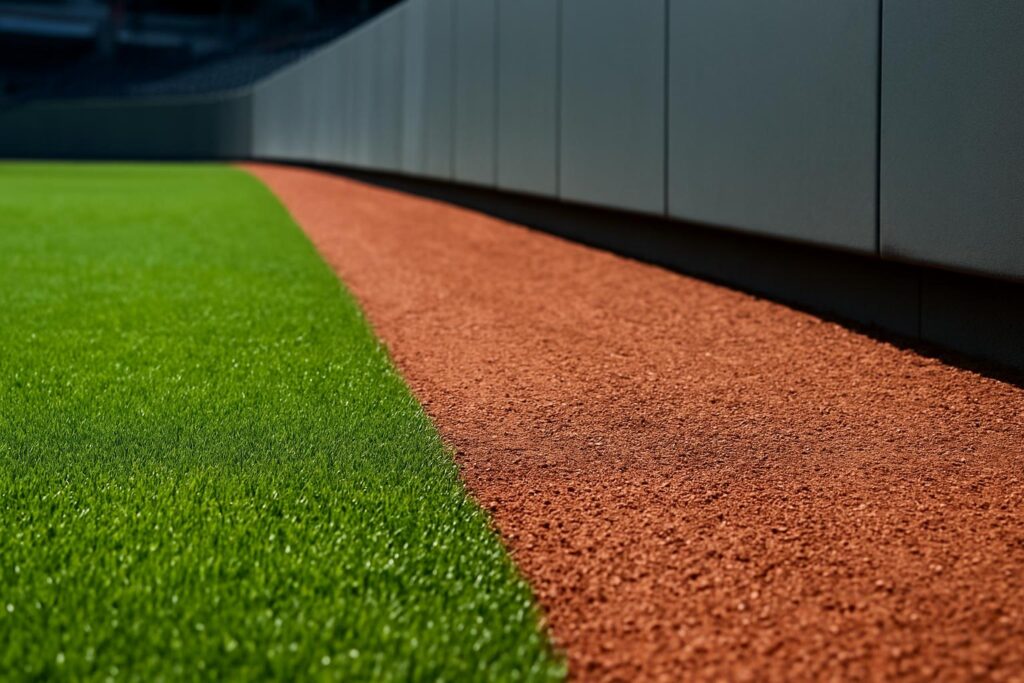
The warning track is a continuous strip of firm, non-grass surface that runs along the inside of the outfield wall and often continues along the foul territory side walls. It contrasts in color and texture with the turf so players can sense and see the boundary as they approach it at game speed.
Most tracks are made of crushed stone, brick, or a similar aggregate mix laid over a compacted base. On synthetic turf fields, the warning track is created with a visually different turf or a rubberized blend that mimics the feel of a granular track. No matter the material, the goal is the same. The surface must feel and sound different underfoot so a player instantly knows they are out of the grass and near the wall.
Why the warning track exists
Player safety near the wall
Outfield walls are hard, unforgiving structures. At full speed, even a slight delay in awareness can cause collisions, injuries, or dropped balls. The warning track gives a clear tactile cue underfoot and a strong visual change at the edge of the grass. That moment of recognition allows the fielder to measure steps, adjust their route, brace for contact, or pull up. It does not remove all risk, but it reduces it and makes outcomes more predictable.
Field awareness without looking away from the ball
A defender tracking a deep fly ball cannot constantly glance at the wall. The track lets the feet and peripheral vision do the work. The crunch of the aggregate, the firmer feel, and the color shift provide enough information to manage the last few steps while keeping eyes on the ball. That is the real advantage. The fielder can commit to a catch without guessing how much room remains.
Reliable path for grounds crew and drainage
The track is also a functional perimeter for maintenance. It provides a stable path for vehicles and crew, and it helps carry water to drains when built with the correct grade. A well built track protects the outfield turf from rutting and compaction and keeps water from lingering at the fence line.
Visual contrast for players, umpires, and fans
The color difference between turf and track improves sightlines for everyone. Players quickly find the boundary line at speed. Umpires read fair or foul hops near the line more clearly. Fans can see when a fielder has reached the track on a deep drive, which adds suspense while the play unfolds.
Standard dimensions and how they are measured
There is no single universal measurement for warning tracks, but there are strong norms. In professional baseball, a typical warning track is about 15 feet wide measured from the base of the wall inward toward the field. Many parks extend the track to 20 or even 25 feet in deep corners or where the fence curves, so fielders get a few more steps before reaching the wall. College and high school baseball fields often target the same 15 foot width when space allows. In softball, tracks are commonly 10 to 12 feet wide. On youth fields, 8 to 10 feet is often used in tight footprints, though wider is better for safety and consistency.
Continuity matters. The width should remain consistent around the outfield so a player can trust their step count anywhere on the perimeter. Where stadium geometry forces changes, crews should note them and communicate with players during pregame work.
The measurement itself is simple. Start at the inside face of the outfield wall or fence and measure straight in toward the grass edge. That value is the track width. Maintain the same width along the foul lines if possible. In many venues, foul territory narrows near dugouts and seating. When that happens, quality and contrast become even more important than width.
Fence height does not directly determine track width, but it influences what feels safe. Higher fences or sharp, recessed corners often justify a wider track. Lower fences and straight walls can work with a standard width if the surface is consistent and the edge is crisp.
Materials and construction
Traditional mixes for natural grass fields
Most natural grass facilities use a granular warning track mix that is firm, drains well, and provides a distinct feel underfoot. Common components include crushed brick, decomposed granite, crushed stone, calcined clay, and crushed lava rock. The exact blend varies by region and budget, but the performance goals are the same. The track should be dense enough to resist deep cleat penetration, gritty enough to sound and feel different from turf, and open enough to drain quickly after rain.
Color matters. Many mixes have a red or brown tone that contrasts clearly with green grass. Lighter or darker mixes can work as long as the contrast holds in sun and shade and under stadium lights.
Synthetic turf and hybrid solutions
On synthetic turf fields, builders create a warning track zone with a different color turf and a different infill blend or rubberized composite. The objective is to preserve a noticeable change in feel and firmness when a player crosses the edge. Some hybrid fields use a natural grass outfield and a synthetic or rubberized warning track to improve drainage and reduce maintenance at the perimeter. Either approach can work if the contrast is obvious and the surface stays even with the adjacent turf.
Depth, base, and grading
A reliable track starts with a compacted aggregate base. Above that, installers place several inches of warning track mix, then finish and roll it to a firm, even grade. The track should slope gently away from the field to carry water to drains at the fence. A consistent crown or cross slope prevents puddles and soft spots, which can be dangerous underfoot. Transitions at gates, bullpens, and corner posts need special attention to avoid trip points.
Edge control and lip prevention
The interface where grass meets track is a common source of problems. Over time, sand and fines migrate from the track into the turf and form a raised lip. That lip can cause bad hops and pooling. Good construction sets the edge height correctly and establishes a maintenance routine to keep the interface flush and clean.
Maintenance that keeps the track working
The best warning track surfaces are simple to maintain but demand consistency. A short daily or weekly routine preserves firmness, traction, and contrast.
Light dragging with a mat levels minor cleat marks. Occasional nail dragging can break up crust and improve surface texture, but crews should avoid digging too deep, which creates soft, loose zones. Rolling as needed keeps the surface tight. On busy fields, rolling after rain and after heavy use helps maintain consistent feel across the season.
Moisture management matters. The track should not be soaked, but a light watering before games can reduce dust and lock the surface. Avoid overwatering, which leads to pumping and soft spots.
Edge work is essential. Crews should sweep or blow loose material off the grass edge, slice the edge cleanly, and remove encroaching turf. Regular edging prevents lip buildup. When lips form, they need mechanical removal and regrading, then reestablishing the edge at the correct height.
Weed control prevents roots from binding the surface and changing its feel. Crews should also remove leaves and trash that can trap moisture. Annual top offs of material keep depth and color consistent. Periodic laser grading restores proper slope and eliminates low spots before they become puddles.
How the warning track affects play
The warning track changes both how players move and how the ball behaves near the wall. Players learn to treat the edge as a trigger. Once a foot hits the track, the outfielder measures controlled steps and prepares for the catch or for contact with the wall. The exact number of steps from the edge to the wall depends on the park and the player stride, which is why pregame familiarization is important.
On batted balls, the track surface can alter speed and bounce. A ground ball that reaches the track often slows and takes a lower, grittier hop than it would on grass. Stones or seams can introduce slight irregular hops if maintenance is lax. For that reason, a clean and compact surface is part of fair play as well as safety.
Along the foul lines, the contrast between turf and track helps umpires and players see the fair or foul margin on dribblers and sliced balls that spin near the boundary. A crisp edge and color difference remove guesswork at full speed.
Rules and standards across levels
Most leagues expect a warning track in outfield areas, but exact requirements vary. There is no single universal rule that sets a mandatory width for every level. Instead, field design guides and best practices have led to a strong norm. Professional parks commonly use 15 feet and increase to 20 or more feet in challenging zones. College and high school programs often follow the same target when space allows. Softball fields commonly build tracks 10 to 12 feet wide. When a site is tight, fields may narrow the track along parts of foul territory, but consistency and contrast remain the priorities.
Local codes, owner preferences, climate, and budget also shape choices. What does not change is the purpose. The track must reliably warn fielders and remain predictable in all weather that hosts a game.
Designing or upgrading a warning track
Good design starts with honest assessment. Walk the fence line and note corners, gates, bullpens, and tight spots. Identify drains and low areas. Map areas where a wider track would add safety, such as high walls, sharp curves, or seating that juts into foul territory.
Choose a width that delivers the steps a fielder needs. For baseball, plan about 15 feet as a baseline and use 20 to 25 feet in deep alleys and corners if possible. For softball, plan 10 to 12 feet. Aim for continuity so players can trust the same step count around the park.
Select material for drainage, firmness, and contrast. In wet climates, open graded aggregates or blends with larger particles resist pumping and retain texture in rain. In arid regions, mixes that hold moisture reduce dust and maintain cohesion. Verify that color will stay distinct under the venue lighting. On synthetic fields, ensure the track zone uses a clearly different turf color and infill recipe that produce a firmer feel underfoot.
Budget for the life of the surface, not just installation. Include annual top offs, edging tools, grooming equipment, and periodic laser grading. Plan for lip removal and color refresh cycles if the mix fades. Investing in the right compaction and drainage at installation reduces long term cost and risk.
Before opening the field, test the surface. Walk and run the perimeter in cleats. Check traction, firmness, and transitions at every gate and post. Verify the slope sheds water and that no area pumps underfoot. If the track does not feel different and sound different from the grass, refine the surface until it does.
Common mistakes and how to avoid them
Tracks that are too narrow reduce the margin for error. If space is tight, improve consistency, firm up the surface, and enhance visual contrast to compensate. If you can widen even a few feet in key zones, do it.
Surfaces that are too soft or muddy defeat the purpose. A player who sinks deeply into a loose track loses speed and balance when they most need control. Build with proper depth and base, compact the surface, manage moisture, and roll as needed.
Poor contrast undermines awareness. If grass and track are close in color or blend at the edge, players lose a critical cue. Choose a mix that reads clearly under sun and lights and keep the edge crisp.
Uneven grades and puddling create hazards and unpredictable hops. Set the slope correctly at installation and maintain it with regular grading. Fix depressions before they become chronic wet spots.
Neglected lips cause bad hops and water dams. Sweep edges, edge cleanly on a routine schedule, and remove lips before they grow into a problem.
Training tips for players and coaches
Count steps in every park. During pregame work, sprint to the wall at game speed, feel the track underfoot, and note how many strides you have from first contact to the fence. Corners and alleys can differ. Update your count after any field change.
Practice wall drills. Work on drop steps and sprints that finish on the track. Learn to glance at the wall with quick head checks without losing the ball. Rehearse bracing, glove placement, and footwork for catches at the fence.
Communicate on deep balls. Outfielders should call with clarity and urgency, and infielders can relay distance and wall proximity when they have a better view of the geometry.
Select footwear that matches surface firmness. Cleat patterns that are stable on firm aggregate reduce slips and stumbles. Test shoes on the track during warmups, not during the first live ball.
Respect weather changes. After rain, the track may feel different and produce more or less bite. Do a few test sprints and adjust your plan before the first pitch.
Quick reference for typical dimensions
Professional baseball commonly uses a 15 foot warning track around the outfield, with extensions to 20 to 25 feet in deep alleys and corners where a few extra steps improve safety. College and high school baseball often mirror those values when the site allows.
Softball fields commonly build tracks 10 to 12 feet wide. On youth diamonds or tight sites, 8 to 10 feet may be used along parts of foul territory, but wider and more consistent is better when space and budget permit.
Whatever the number, keep the width continuous, maintain a strong color contrast, and preserve a firm, even feel around the entire perimeter.
Putting it all together
The warning track is simple on the surface and crucial in practice. It protects players, clarifies play, and supports field operations. The best tracks share traits. They are wide enough to buy time, firm enough to support confident footwork, visibly different from the turf, well drained, and consistently maintained. Build it right, keep it consistent, and teach players to use it. When the game speeds up near the wall, those details make the difference between a clean catch and a dangerous collision.
FAQ
Q: What is a warning track
A: A warning track is a continuous strip of firm, non grass surface along the inside of the outfield wall that contrasts with the turf so players can sense and see the boundary as they approach it.
Q: What is the main purpose of the warning track
A: The warning track provides a clear tactile and visual cue that alerts outfielders they are near the wall, buying them a moment to adjust their steps, brace, or pull up to reduce collisions and injuries.
Q: How wide is a typical warning track
A: In professional baseball, a typical warning track is about 15 feet wide, with many parks extending to 20 to 25 feet in deep corners or curves. College and high school often mirror that when space allows. Softball tracks are commonly 10 to 12 feet wide.
Q: What materials are used for warning tracks
A: Common materials include crushed brick, decomposed granite, crushed stone, calcined clay, and crushed lava rock for natural grass fields, and contrasting turf or rubberized blends on synthetic fields.
Q: Is a warning track required by rule everywhere
A: There is no single universal rule that mandates a warning track at every level, but it has become standard in professional parks and is strongly favored in field design best practices across levels.