
We are reader supported. When you purchase through links on our site, we may earn an affiliate commission. Also, as an Amazon affiliate, we earn from qualifying purchases.
Baseball spent a decade watching ground balls turned into easy outs by extreme defensive shifts. In 2023, Major League Baseball put a clear stop to that pattern with a new infield shift ban. The goal was simple: restore clean singles through the infield, bring more athletic plays back into the game, and give hitters a fairer field. But does the rule really lead to more hits? How exactly does it work? And what should fans, players, and coaches expect in the next few seasons?
This guide breaks down the MLB shift ban in plain language. You will learn the rule, how teams work around it, who benefits, who does not, and what to watch for during games. The aim is clarity and practical takeaways, not jargon. By the end, you will be able to answer the key question with confidence: does the shift ban truly create more hits?
What Is the MLB Shift Ban?
Quick Definition
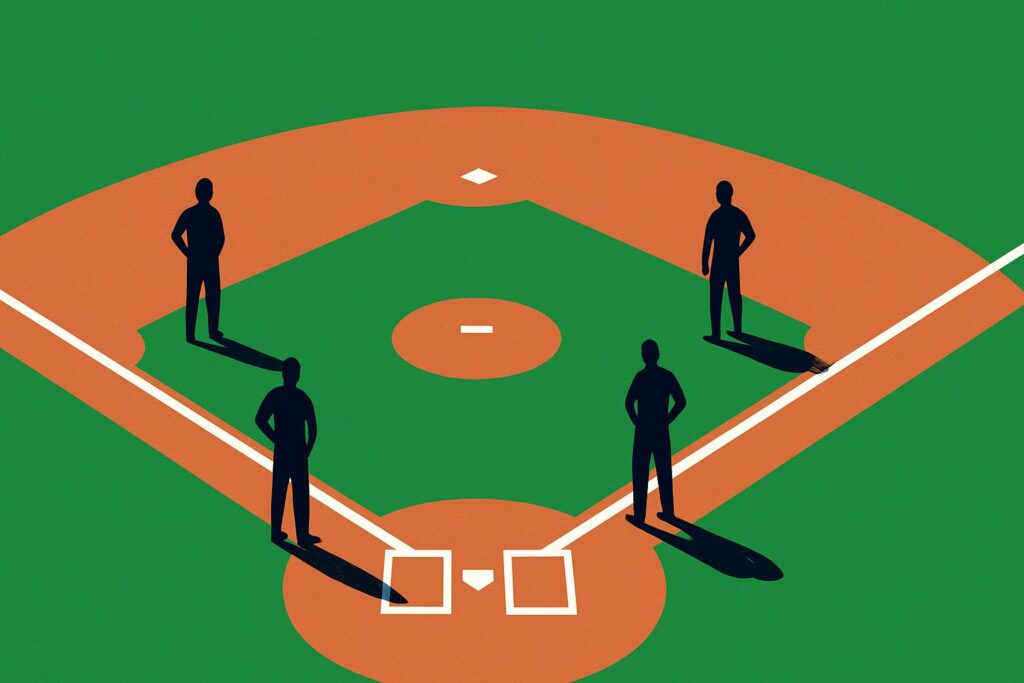
The MLB shift ban is a set of positioning restrictions that apply to infielders at the moment a pitch is released. The defense must keep balance on both sides of second base, and all infielders must start on the dirt. The rule does not remove defensive strategy. It sets a boundary that prevents extreme, overloaded alignments on one side of the field.
The Exact Restrictions at Pitch Release
Here are the key parts of the rule at the moment the pitcher releases the ball:
– Two infielders must be positioned on the left side of second base, and two infielders must be positioned on the right side of second base.
– All four infielders must have both feet on the infield dirt, not in the outfield grass.
– An infielder cannot straddle second base at release. Both feet must be completely on one side.
After the ball leaves the pitcher’s hand, defenders can move freely. That means a shortstop can sprint toward up-the-middle space and a second baseman can drift deeper. The requirement applies only to the starting positions at release.
What Is Still Allowed
The shift ban does not eliminate defensive tactics. Teams can still:
– Play the infield in to cut off a run at the plate.
– Set double-play depth with the middle infielders close to second base.
– Guard the lines with the corner infielders in late innings.
– Shade outfielders left, right, shallow, or deep based on hitter tendencies.
– Start infielders on the dirt at legal spots and then move once the pitch is released.
In short, defenses cannot overload one side of the infield or station an infielder in short right field on the grass before the pitch. Everything else is a matter of timing, depth, and smart footwork.
Penalties and Enforcement
If a team violates the shift ban at pitch release, umpires enforce a simple penalty structure:
– If the ball is not put in play, the umpire awards an automatic ball to the batter.
– If the ball is put in play, the offense can accept the result of the play or take the penalty of an automatic ball. This gives the offense the choice, which prevents a team from gaining an advantage through an illegal alignment.
Umpires and replay crews monitor alignment. Many teams now rely on clear pre-pitch cues to keep infielders compliant. Good coaching and habit building reduce mistakes and avoid free balls.
Why MLB Implemented the Rule
More Action and Cleaner Hits
Before the ban, the sport drifted toward more strikeouts, walks, and home runs. Ground balls that once slid through the right side turned into routine groundouts to a second baseman standing in shallow right field. Singles dropped, and infield athleticism had fewer chances to shine. The new rule aims to create more live-ball action by restoring the classic infield lanes for contact hitters.
Fairness for Left-Handed Hitters
Left-handed hitters faced the most extreme versions of the old shift. Three infielders often stacked the right side, and one sometimes played on the outfield grass. Pulled grounders that used to be hits became easy outs. The rule brings balance by forcing two infielders to remain on the left side and two on the right side, with everyone on the dirt. It does not guarantee hits, but it prevents the most punishing alignments.
A Better Viewing Experience
The league also wanted a game that looks and feels more dynamic. Fans enjoy seeing hard grounders find holes, quick pivots from middle infielders, and daring base running. The shift ban moves the sport in that direction by restoring classic patterns without removing defensive creativity.
How Teams Used to Shift, and What Changed
Old Extreme Alignments
Under the old system, teams commonly put three infielders on one side of second base. The second baseman might set up far into short right field on the grass. The shortstop sometimes played behind second or even shaded deep into the right side. The goal was to place fielders where pulled ground balls most often landed. Hitters tried to counter by lifting the ball or shooting it the other way, but it was a losing battle for many lefties.
The New Reality
Now, teams must keep two infielders on each side and both feet on the dirt at release. That shift pushes the second baseman out of short right field and pulls the shortstop firmly to the left side. The middle is more open in theory. But defenses still push the limits within the rules. The second baseman often sets up with heels near the grass line. The shortstop creeps close to second without crossing it. Teams also move outfielders in or shade them toward the pull side to cut off soft liners and shallow flares.
Strategy After the Ban
Fine-Tuned Infield Depth
Infielders now use legal depth to squeeze as many ground balls as possible. The middle infielders set up deep on the dirt, sometimes a step from the outfield grass, to buy reaction time on hard contact. Corner infielders take aggressive angles to the lines when the situation calls for it. The trick is to start legally on the dirt and on the correct side, then flow to the ball after release.
Outfield Shading and Shallow Right
Because the second baseman cannot start on the outfield grass, some teams position the right fielder extra shallow against left-handed pull hitters. That player can scoop up soft grounders or loopers that used to die in short right. The tradeoff is risk over the head for doubles and triples. Managers play that risk differently depending on the hitter count, inning, and ballpark.
Pitching Plans Linked to Positioning
Pitchers and catchers build game plans that direct contact into the spots where fielders start. If a team sets up its middle infielders deep on the right side of the dirt against a lefty, pitchers aim for sinkers or cutters that produce pull-side grounders. When the defense shades the outfield to one gap, pitch calls try to steer air contact to that gap. The aim is to make the legal alignment feel like a soft version of the old shift through sequencing and precision.
Hitters Lean Into Contact Profiles
Hitters adapt as well. Left-handed batters who put the ball on the ground with authority find more openings between first and second or up the middle. High-contact hitters benefit more than high-strikeout sluggers, because you need the ball in play to take advantage of the restored lanes. Right-handed hitters see some benefits on balls up the middle, but the effect is larger for lefties due to where the worst past overloads used to be.
Situational Bunting and Small Tweaks
Bunting against the shift ban is a situational tool. It is not a cure-all. But when corner infielders play deep or when the right side is pulled back on the dirt, a drag bunt or a push bunt can keep infielders honest. Even showing bunt can draw the corner in and open ground-ball holes.
Does the Shift Ban Create More Hits?
League-Wide Effects
The rule produces a modest uptick in ground-ball hits, especially for lefties. Singles through the right side that used to be routine outs against a second baseman in short right are back in play. More balls get past the diving first or second baseman because those players start on the dirt and can no longer sit on the grass in perfect spots.
The effect is real but not dramatic. Strikeouts still limit how many balls are put in play. Pitch quality has not dropped. Defenses still anticipate well. The shift ban loosens tight defensive nets; it does not tear them apart.
Who Gains the Most
Left-handed hitters who make frequent hard contact on the ground and on low line drives stand to gain the most. They get more payoff from pulled grounders to the right side and firm contact up the middle. Right-handed hitters gain too on certain up-the-middle balls, but the jump tends to be smaller because old overloads hurt lefties more than righties.
Players who strike out a lot see limited gains. If you rarely put the ball on the ground, a wider infield lane does not help much. The rule rewards hitters who can find the barrel often and hit the ball at manageable angles.
Not All Contact Is Equal
Ground balls benefit the most. Low line drives also sneak through more often because middle infielders start deeper and cannot camp in the outfield grass. High fly balls and deep liners are mostly unaffected by the ban, since those outcomes depend more on launch angle, power, and outfield positioning.
How Defenses Adapt Within the Rules
Depth Games on the Dirt
Expect infielders to maximize depth while staying legal. Middle infielders often set heels right at the edge of the dirt. That split second of extra reaction time changes outcomes at the margins. On two-strike counts, some teams pull fielders a bit shallower to cut off slow rollers and weak flares. With runners on, they may squeeze toward double-play feeds.
Aggressive Movement After Release
The rule locks the starting position, not the finish. As soon as the pitcher releases the ball, infielders can sprint to the old spots they used to hold. Watch the shortstop cheat steps toward second. Watch the second baseman drift a few feet toward short right. These micro-movements aim to recover some of the old angles without breaking the letter of the rule.
Outfield Coverage Plans
Teams reframe outfield roles to catch what the infield can no longer grab at release. The right fielder may play shallower against some lefties. Center fielders close gaps differently based on spray charts. Left fielders creep toward the line against hitters who hook the ball. All of this is still legal and important to squeezing value from scouting reports.
What Hitters and Coaches Can Do Now
Left-Handed Hitters
– Trust hard contact to the right side. A firm grounder between first and second now has a better chance to find grass.
– Attack pitches you can drive up the middle and to the pull gap. The middle is more open at standard depth because infielders cannot start deep on the grass.
– Keep bunting as a situational test. If the corner plays back and the pitcher struggles to field, a push bunt can force the defense to move up and open lanes.
Right-Handed Hitters
– Aim for strong contact up the middle. You will not see three infielders to the left as often as lefties saw to the right, but that middle lane still benefits from the dirt requirement.
– Work counts to get pitches you can drive on a line. Soft fly balls are still easy outs even without a shift.
Team-Level Hitting Adjustments
– Build individualized contact goals. High-contact lefties can lean into pulled grounders and low liners. High-power, high-strikeout hitters may still be home-run or bust; the ban does less for them.
– Use two-strike approaches that raise ball-in-play rates. The rule cannot help if the at-bat ends on a whiff.
What Defenders and Managers Should Do Now
Positioning Scripts and Communication
Modern defenses use pre-pitch cards, dugout signals, and real-time coaching to place infielders right on the legal line. Consistent language matters. For example, dirt edge, two-and-two sides, and do not straddle second are clear cues. Players need repeatable anchors to avoid violations and free balls.
Integrate Pitch Design and Targeting
Set the infield for what your pitcher can produce. A heavy sinker staff should focus on right-side pulls against lefties with the infield at deep dirt depth. A four-seam, high-ride staff should match with outfield shading plans and corner coverage to take away liners in known gaps. Synchronize positioning with what the count and the scouting say about likely contact.
Late-Inning and Base-State Plans
– With a runner on third and less than two outs, bring the infield in as needed. The ban does not stop you from cutting off runs at the plate.
– In double-play spots, set legal double-play depth. The goal stays the same: two on each side and both feet on the dirt at release.
– Guard the lines late to prevent extra-base hits. Corners can play on the chalk and still meet the dirt rule.
Myths and Realities
Myth: The shift is gone
Reality: Only extreme infield overloads are gone. Teams still shift within the rules. They push depth on the dirt, shade middle infielders near second, and move aggressively after release. Outfielders still reposition based on spray charts. The sport did not delete defense; it rebalanced it.
Myth: The ban guarantees big offensive spikes
Reality: The gains are modest. Hitters who put more balls in play, especially on the ground and on low liners, see the most benefit. High strikeout rates mute the effect. Pitching quality and outfield positioning still matter a lot.
Myth: Right-handed hitters see no change
Reality: Righties do see some improvement on balls up the middle and on certain low liners, though less than lefties. The removal of deep-on-the-grass middle infield starting spots slightly opens central lanes for everyone.
How the Rule Plays Out in Real Time
What Fans Can Watch For
– Check the middle infield before the pitch. Are both players on the dirt and fully on their side of second
– Notice depth. Are the heels just at the grass line That is a tell that a team wants maximum reaction time within the rules.
– Watch the first step. At release, look for the shortstop or second baseman to move toward the old shift spots. That first move is where defenses recover ground.
How Umpires Handle It
Violations are rare at the highest level because teams drill legality. When it happens, the umpire awards an automatic ball if the ball is not put in play. If the ball is put in play, the offense can keep the play or take the automatic ball. Managers argue at times about whether a foot started on the dirt or whether a player crossed second, but clear broadcast angles and team discipline limit disputes.
Examples of Outcomes You Now See More Often
Pulled Grounders by Lefties
A hard one-hopper between first and second goes through more often because the second baseman cannot start in short right on the grass. The first baseman ranges, but that extra open lane matters. These are the hits the rule most directly restores.
Low Line Drives Up the Middle
With middle infielders starting on the dirt, not on the grass, low liners that once hung for the shifted shortstop now sneak through more often. Pitchers who live at the bottom of the zone still induce weak contact, but the safety net of a deep-on-the-grass infielder is gone at release.
Tradeoffs in the Outfield
Shallow right-field positioning can cut off soft flares but brings risk over the head. You will see more bang-bang plays where a shallow outfielder charges a flare and, in the next at-bat, a deep liner sails past that same spot. These are conscious tradeoffs in a post-ban world.
Tips for Players at Different Levels
Amateur and Youth Coaches
– Teach legal starting positions early. Two on each side of second and feet on the dirt is a simple, portable habit that scales from youth to pro rules.
– Tie pitch plans to target contact types. Align for the grounder you expect and reinforce first-step movement after release.
– Teach hitters to read depth. If the middle plays deep, consider shorter swings that produce hard grounders and low liners.
College and Semi-Pro Players
– Build pre-pitch routines that lock legality and positioning. Set visual anchors like the grass line, edge of the cutout, and chalk.
– For left-handed hitters, practice two-strike swings that still produce firm contact on the ground. Do not empty the tank for loft on every pitch.
– For outfielders, rehearse shallow and deep looks by hitter type and count. Be ready to live with the tradeoff you choose.
Practical Takeaways for Front Offices
Roster Construction
– Value infielders with strong range and first-step quickness. Starting spots are more honest now, so pure instincts matter even more.
– Target left-handed hitters with strong contact skills and hard ground-ball rates. The rule plays to them.
– On the pitching side, plan for how your staff profile interacts with legal alignments. Defense and pitch mix must fit together.
Player Development
– Train first-step movement after release. This is the legal window to regain old angles.
– Develop hitting plans that balance lift with line drive and ground-ball value. Mixed contact portfolios fit the modern constraints.
Common Mistakes to Avoid
For Defenders
– Drifting onto the grass at release. Keep both feet on the dirt to avoid free balls.
– Straddling second. Pick a side before the pitch and hold it until the ball leaves the hand.
– Misreading count leverage. Depth choices that work at 0-0 may not work at 2-2.
For Hitters
– Assuming the rule will carry you. You still need frequent, quality contact to benefit.
– Ignoring situational bunts. Sometimes a simple push sends a message and reshapes the next at-bat.
– Chasing loft-only approaches if your contact profile favors grounders and low liners.
Conclusion
The MLB shift ban is not about nostalgia. It is about restoring balance. Two infielders on each side and all four on the dirt at release reset the baseline of fair competition for hitters without deleting defensive intelligence. The rule opens lanes for grounders and low liners, especially for left-handed hitters, but it does not promise big jumps for everyone. Pitching quality and strikeout rates still rule outcomes.
To get the most from the new landscape, hitters need consistent, hard contact. Defenders need precise depth and fast first steps. Managers must sync pitch calls with positioning. Fans should watch the middle infield at release, the first move after release, and the outfield depth games that follow. With the right habits and choices, the shift ban can deliver what it set out to do: more balls in play that turn into real action.
FAQ
Q: What is the MLB shift ban rule?
A: At pitch release, each team must have two infielders on each side of second base and all four infielders must have both feet on the infield dirt. After release, defenders can move freely, and outfielders remain unrestricted.
Q: What happens if a team violates the shift ban?
A: If a pitch is thrown with an illegal defensive alignment and the ball is not put in play, the umpire awards an automatic ball. If the ball is put in play, the offense can accept the play or take an automatic ball.
Q: Does the shift ban guarantee more hits?
A: No. The rule opens ground-ball lanes, especially for left-handed hitters, but gains are modest and depend on contact quality and strikeout rate.
Q: What defensive tactics are still allowed under the shift ban?
A: Infield in, double-play depth, corners guarding the lines, outfield shading or playing shallow or deep, and infielders moving after the pitch is released are all still allowed.
Q: Which hitters benefit most from the shift ban?
A: Left-handed hitters who put a lot of hard contact on the ground or low line drives and do not strike out much benefit the most.