
We are reader supported. When you purchase through links on our site, we may earn an affiliate commission. Also, as an Amazon affiliate, we earn from qualifying purchases.
Baseball has a long memory and a lot of rules. Some are clear. Others come up only when a game gets weird. The Pine Tar Rule lives in that second bucket. It feels simple at first, then it raises hard questions. What can hitters use on their bats. What can pitchers use on their hands. Why is pine tar allowed for one role and banned for the other. And what did that wild game in 1983 change about all of this.
This guide breaks the Pine Tar Rule down from top to bottom. You will see what pine tar is, why the rule exists, how umpires enforce it today, and what players do to stay legal. By the end, you will be able to spot trouble before the broadcast crew even brings it up.
What exactly is pine tar
Pine tar is a sticky, dark resin made from pine wood. Hitters use it on the handle of a bat to improve grip. Better grip means more control, fewer flung bats, and safer at bats. It can be applied as a liquid, a paste, or with a pine tar rag. Many players add a light layer of rosin on top to dry the tack. Others prefer modern grip aids like bat wraps or wax blends. The goal is always the same. Keep the bat secure through the swing.
The Pine Tar Rule in plain language
The Pine Tar Rule is about how far up a hitter can apply a sticky substance on the bat. Major League Baseball allows pine tar on the handle, but only up to a limit. It is not a free for all. At the same time, the penalty for going overboard is not as harsh as many think. Here is how it works today.
The 18 inch limit for hitters
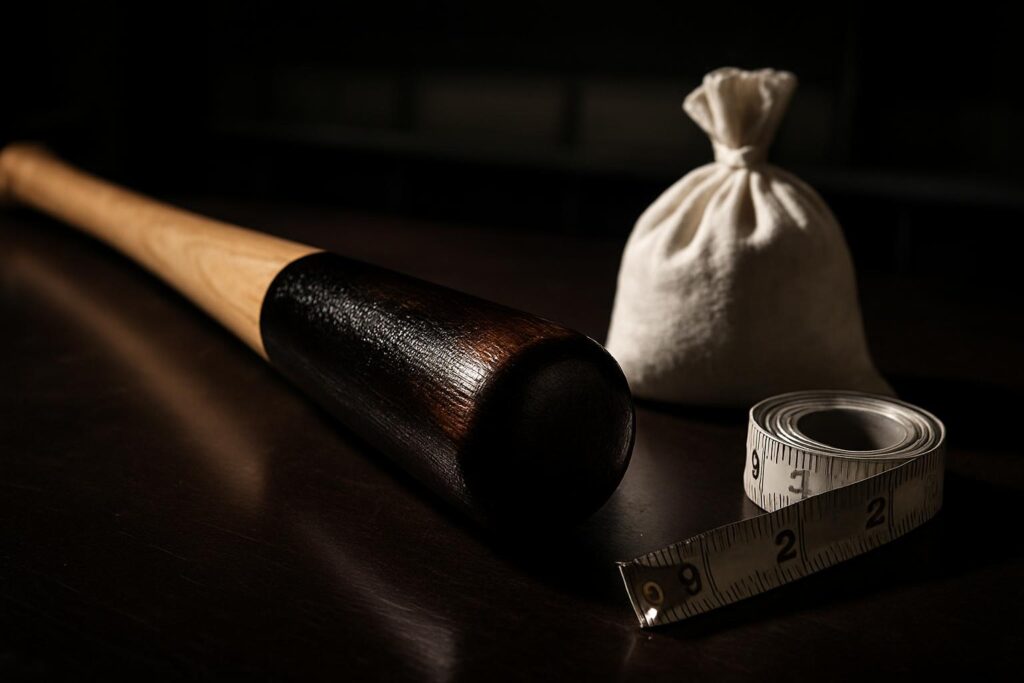
Under MLB rules, a batter can apply pine tar or similar grip agent on the bat handle, but it cannot extend more than 18 inches from the knob. That zone covers the lower portion of the bat, where the hands sit during the swing. If the substance creeps higher than that, the bat is out of spec.
What happens when a bat violates the limit
If umpires find a bat with pine tar above 18 inches, they remove the bat from the game and tell the batter to use a legal bat. That is the default remedy. The batter is not automatically called out for this kind of equipment issue. If a swing has already happened, the play usually stands unless a different rule is in play, such as an altered bat that affects the ball or safety. For pine tar that is simply too high on the bat, the intent is to clean up the mess and move on.
Pitchers and pine tar
Pitchers cannot use pine tar. MLB prohibits applying a foreign substance to the ball or to the pitching hand with the goal of altering grip beyond what is allowed. Umpires now conduct routine checks. If a pitcher is found with pine tar or any other illegal sticky agent, the penalty is ejection and an automatic suspension under MLB policy. Rosin is allowed, but even rosin can cross the line if overused or mixed with other substances to create extra tack.
Why the Pine Tar Rule exists
Two values drive the rule. Safety and fairness. Pine tar on the handle helps hitters keep control of heavy, fast moving bats. That is good for everyone on the field and in the stands. But sticky substances can also migrate onto the ball and change pitching dynamics. Too much pine tar up the barrel can smear the ball on contact or during a foul tip. That is where fairness and consistency come in. The rule keeps the bat grippy where it needs to be and keeps the barrel and ball as clean as possible.
It is not about power
A key point often missed. Extra pine tar on the handle does not make the ball fly farther. It does not add speed to the bat head. It only helps with grip. That is why the modern penalty for too much pine tar on the bat is removal of the bat rather than erasing the result of a swing. The purpose is to keep the equipment within a standard, not to punish a phantom advantage.
The George Brett Pine Tar Game
You cannot learn the Pine Tar Rule without revisiting July 24, 1983. The Kansas City Royals trailed the New York Yankees at Yankee Stadium. In the ninth inning, George Brett hit a go ahead home run. Yankees manager Billy Martin challenged Bretts bat, claiming the pine tar went too high. Umpires measured the bat against the 17 inch width of home plate and decided the substance extended past the 18 inch limit. They ruled Brett out and took the home run off the board. Chaos followed. Brett stormed out of the dugout. The game appeared over.
The Royals filed a protest. American League President Lee MacPhail later upheld it. He ruled that the correct remedy for excessive pine tar was to remove the bat, not to call the batter out and wipe away the play. The home run was reinstated, and the game was resumed weeks later from the moment after the home run. The decision set the tone for how the rule is interpreted today. Focus on equipment compliance, not retroactive punishment for a result that pine tar on the handle did not enhance.
Lasting lessons from 1983
Three takeaways still matter now. First, the 18 inch limit is real and enforced. Second, an over tarred bat does not make a hitter more powerful, so erasing a clean hit is not the right fix. Third, clear guidance helps everyone. After the protest, MLB refined the wording and the intent so umpires would remove the bat and resume play rather than undo it.
How umpires measure and enforce
Umpires can check a bat at any time if they see excessive pine tar. They will look at the handle and estimate distance from the knob. If needed, they can use the plate or a tape measure to help judge the 18 inch limit. In most cases, a quick visual check is enough because the pine tar line is obvious on light colored bats.
Timing matters, but not as much as it used to
Before the Brett ruling, the timing of a challenge could flip a result. Now the procedure is simpler. If a bat is illegal, take it out of play. If a ball was already put into play, the outcome usually stands because the pine tar did not give the hitter a performance edge. If a problem is caught mid at bat, the hitter swaps bats and continues. The goal is to keep the game moving while keeping equipment within spec.
What about transfer to the ball
If pine tar from a bat leaves residue on the ball, umpires will remove the ball from play. If the pitcher tries to use that sticky residue, umpires can step in. The line is firm for pitchers. No foreign sticky aid beyond approved rosin. If a pitcher knowingly uses pine tar from a bat or any other source, that is a violation.
Pitchers, sticky stuff, and modern checks
In recent seasons, MLB increased enforcement around sticky substances for pitchers. The league directed umpires to conduct routine hand and glove checks. The purpose is to stop illegal tack that boosts spin rates and pitch movement. Pine tar, Spider Tack, and other manufactured adhesives are banned for pitchers. Rosin is the one approved aid, but it must be used as intended. Excessive stick on the hand, glove, hat, or belt can trigger an ejection.
What pitchers can use
Pitchers can use the standard rosin bag placed on the back of the mound. They can dry sweat with the rosin. They can wipe their hands on a towel. They can ask for a new ball if one feels slick. That is the safe lane. Anything beyond that, including mixing rosin with another substance to create more tack, risks an ejection.
Penalties for pitchers
If umpires determine a pitcher used illegal sticky stuff, the pitcher is ejected immediately and receives an automatic suspension under MLB policy. The suspension length is set by the league and has been 10 games in recent years. The team carries a roster penalty during that time. Because of the cost to a pitching staff, most clubs set strict internal rules on what is allowed and how to apply rosin correctly.
Common myths and clear truths
Myth: More pine tar means more power
Truth: Pine tar helps grip, not power. The bat does not become springy and the ball does not fly farther. That is why modern enforcement removes the bat but does not erase the result of a fair hit.
Myth: Pitchers need pine tar for safety in cold weather
Truth: MLB provides rosin for legal grip support. If a ball or conditions are truly unsafe, umpires can intervene, swap balls, or delay. Pine tar remains illegal for pitchers because it can create a level of tack that changes pitches well beyond a safety margin.
Myth: The Pine Tar Game created a new rule from scratch
Truth: The limit already existed. The 1983 ruling clarified how to apply the penalty. It set the precedent that a bat with excess pine tar should be taken out of play, not that a batted ball result should be undone absent a different violation.
How hitters stay compliant
Most hitters and clubhouse staff have a routine that keeps things clean and legal. Bats often have a visible pine tar line below the 18 inch mark. Clubhouses keep tar rags near helmets and bat racks and remind players to re apply only on the handle. Many players now prefer bat wraps and matte finishes to reduce the need for heavy pine tar. If a player wants added tack, a light coat is common, sometimes with a touch of rosin to reduce gloss. The barrel stays clear.
Game day habits that help
- Pre mark the handle with tape so the sticky zone is obvious
- Use a pine tar stick rather than a liquid for better control
- Wipe excess tar with a rag before stepping in
- Swap out old, over tarred bats as soon as build up creeps up the barrel
How pitchers stay compliant
Pitching coaches drill a simple pattern. Use the rosin bag. Keep hands dry with a towel. Avoid contact with any tarred bat. Do not touch the area near the hitters on deck circle where tar rags might sit. If a ball feels off, ask for a new one. If a glove or hat picks up sticky residue, change it out. Better to over comply than to risk an ejection and suspension.
Signs of trouble to avoid
- Visible dark, shiny patches on the pitching hand or wrist
- Sticky spots on the glove thumb or palm
- Residue on the belt or cap brim
- Mixing sunscreen and rosin to create paste like tack
What fans can watch for on broadcasts
Once you know the basics, you can spot potential issues quickly. Watch the bat handle color and the location of the sticky line relative to the logo and the taper. On light bats, the tar line is easy to see. On dark bats, look for gloss and dust sticking high up the barrel. Notice when an umpire asks to see a bat or when a manager points to the handle. For pitchers, pay attention to routine hand checks between innings. If an umpire lingers on a hand or glove, something caught the eye. Announcers will usually circle back and explain after a break.
Edge cases and how they get handled
Batted ball touches a tarred area
If the ball picks up residue from a bat and umpires notice, they replace the ball. If the transfer was incidental and did not affect a play, the game continues without penalty to the hitter. If a pitcher tries to use that residue for grip on the mound, that is a violation.
Pine tar on a fielders glove
Fielders can use thin glove conditioners, but obvious sticky agents are not permitted. If a glove has illegal tack, the umpire can require a change. If a pitcher touches that glove and gains tack, it can lead to an ejection.
Discovered after the fact
If a bat is examined after a hit and found to have pine tar above the limit, current practice is to remove the bat and keep the result unless another rule was broken. That stance comes from the logic of the 1983 ruling. Excess tar on the handle did not cause the ball to carry farther.
Comparing hitters and pitchers
At first glance, it can feel odd that hitters can use pine tar but pitchers cannot. The difference comes down to what each role touches and what can be exploited. Hitters use pine tar on the handle only and do not control the ball after contact. Pitchers hold the ball on every pitch. A small change in tack can raise spin, change movement, and tilt the balance between offense and defense. That is why MLB draws a hard line for pitchers and a controlled line for hitters.
Rule evolution and the state of play
Baseballs surface, climate control in domed parks, and humidity all affect feel. MLB has worked to standardize rosin, improve umpire checks, and study alternative solutions like pre tacked baseballs in limited tests. The goal is a stable grip environment without opening the door to artificial spin boosts. The Pine Tar Rule remains part of that bigger picture. Keep the bat legal. Keep the ball clean. Keep the competition fair.
Practical tips for coaches and players at any level
For hitters
- Measure and mark 18 inches from the knob on practice bats
- Adopt a light, consistent application routine
- Use bat wraps or matte finishes to reduce reliance on heavy tar
- Store tar rags away from helmets and gloves to prevent cross contamination
For pitchers
- Practice with only rosin so game day feels normal
- Rotate towels to keep hands dry between innings
- Ask for a new ball rather than risk a sticky fix
- Self check hands and glove before each inning
Short answers to big questions
What is legal pine tar use
Legal use is pine tar on the bat handle only, up to 18 inches from the knob. The barrel stays clean. Umpires can remove a bat that violates this. The hitter is not automatically out for this type of equipment violation.
What is illegal pine tar use
Pine tar is illegal for pitchers and for any use that coats the bat above the 18 inch handle zone. Pitchers using pine tar or any illegal sticky stuff face ejection and an automatic suspension under MLB policy.
What can change a call on the field
For pine tar beyond the handle limit, the modern fix is removal of the bat, not reversal of a fair result. Other illegal equipment, like an altered bat that changes performance, can lead to outs and nullified plays. That is a different rule set. Pine tar on the handle is about cleanliness and grip, not ball flight.
Case study recap
Think back to the 1983 game. A home run was erased on the spot because the bat had pine tar past the limit. The league later reinstated the home run and clarified the remedy. Today, that home run would stand, and the bat would come out of play. That is the essence of the modern Pine Tar Rule. Enforce the limit. Remove the non compliant bat. Do not pretend the ball flew farther because of stick on the handle.
Why the rule still matters
Every rule that draws a clean line reduces gray areas that can slow a game or inflame tempers. The Pine Tar Rule does that for hitters. The sticky substance enforcement does that for pitchers. Together, they set boundaries everyone understands. Grip is allowed within reason. Ball doctoring is not. Keep the bat legal. Keep the ball clean. Then let the sport decide the rest.
Conclusion
The Pine Tar Rule is not mysterious once you strip it down. Pine tar on the bat handle is fine up to 18 inches. Too much pine tar leads to a removed bat, not an automatic out. Pitchers cannot use pine tar at all and face ejection and suspension if they do. The famous 1983 protest shaped the modern approach. Since then, MLB has leaned toward practical, fair enforcement that protects safety and keeps the ball free from foreign tack. When you see a manager point to a bat or an umpire check a pitcher, you will know exactly what they are looking for and why it matters.
FAQ
Q: What is the Pine Tar Rule in MLB
A: It allows hitters to use pine tar on the bat handle, but only up to 18 inches from the knob. If the pine tar goes higher, umpires remove the bat from play. Pitchers cannot use pine tar at all.
Q: How far up the bat can pine tar go
A: Up to 18 inches from the knob. Anything above that line makes the bat illegal and it must be taken out of the game.
Q: What happens if a batter uses too much pine tar
A: The umpire removes the bat and the batter must use a legal bat. The batter is not automatically called out for this type of equipment violation.
Q: Can pitchers use pine tar
A: No. Pine tar and other illegal sticky substances are banned for pitchers. If found, the pitcher is ejected and receives an automatic suspension under MLB policy.
Q: What did the 1983 George Brett Pine Tar Game change
A: It clarified that the proper remedy for excess pine tar on a bat is to remove the bat, not to erase a fair result like a home run. That approach guides modern enforcement.