
We are reader supported. When you purchase through links on our site, we may earn an affiliate commission. Also, as an Amazon affiliate, we earn from qualifying purchases.
The outfield is one of the most misunderstood parts of a baseball or softball field. Many new fans see the grassy area and think it is just where long fly balls go to be caught. In truth, the outfield is a strategic space that shapes defense, influences offense, and decides games. This guide breaks down what the outfield is, how it works, who plays there, and how good teams turn that space into an advantage. If you want to watch smarter or play better, start here.
What Is the Outfield
The outfield is the entire fair territory beyond the infield dirt. It runs from the back edge of the infield grass to the outfield wall and between the two foul lines. It is where three defenders patrol to catch fly balls, cut off line drives, and stop base hits from becoming extra bases.
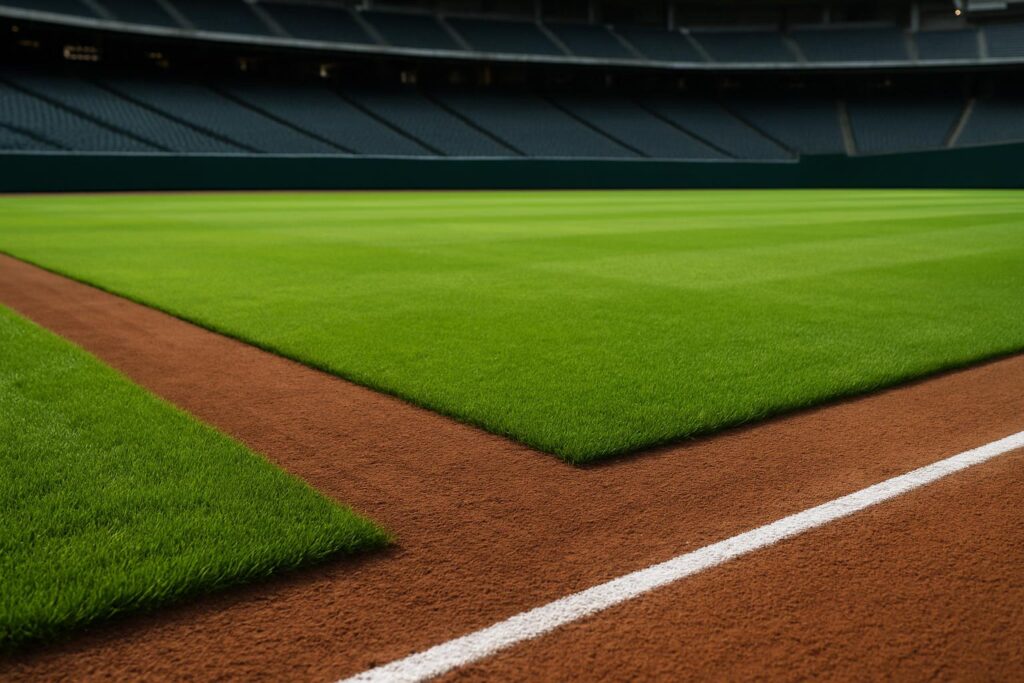
In both baseball and softball, the outfield is defined by four main boundaries. The foul lines on the left and right sides mark the outer edges. The warning track is a strip of dirt or different surface before the wall. The outfield wall or fence marks the far limit of the field. Everything inside those lines and before the wall is the outfield.
Outfield Layout and Dimensions
Foul Lines and Fair Territory
The left and right foul lines extend from home plate past the infield and reach the outfield wall. Any ball that lands in fair ground within those lines and beyond the infield is an outfield ball. Balls that roll along the line must be judged by where they are when touched or where they pass a base. Foul territory outside the lines is not part of the outfield, even if an outfielder can run into it to make a catch.
Power Alleys and Gaps
The spaces between outfielders are called gaps. The left center and right center alleys are prime scoring zones for hitters. Doubles and triples often come from hard-hit balls into these alleys. How a team positions its outfielders can reduce or open these lanes.
Warning Track and Wall
The warning track is a safety feature and a signal. It is a band of dirt or a contrasting surface just before the wall. When an outfielder feels the change underfoot, they know the wall is near. This helps them time jumps, soften contact with the wall, and avoid collisions. It also affects ground balls, since hops change on dirt versus grass.
Field Size by Level
Ballparks vary. In Major League Baseball, down the lines often ranges from the low three hundreds in feet, and center field can approach or exceed four hundred feet. Youth and high school parks are smaller, sometimes much smaller, which brings the outfielders closer to the action. Fastpitch softball uses a shorter field, with fences typically a fraction of pro baseball distances. That shorter distance changes how fast balls reach defenders and how quickly throws reach bases.
Outfield Positions
Left Field
Left field covers the area behind third base and shortstop into the left side of the outfield. A left fielder handles many slicing line drives from right-handed hitters and must close on balls hit in front quickly. Arm strength helps, but range and clean fielding matter more since throws to third base can be shorter than from right field.
Center Field
Center field is the largest zone. The center fielder is usually the fastest outfielder with the best ability to read the ball off the bat. This player takes charge on fly balls in the gaps and often calls off the corner outfielders. A center fielder must cover long distances, back up both corners, and make frequent relay throws to second and third base.
Right Field
Right field demands strong throws. The right fielder makes the longest routine throw to third base and must deter runners from taking extra bases. This spot sees hooks and flares from left-handed hitters and often more high, tailing flies. Footwork and an accurate arm are central, and the right fielder shares gap coverage with center.
Core Jobs of the Outfield
Outfielders have five essential jobs. Catch fly balls. Cut off and hold base hits to singles. Prevent doubles and triples in the gaps. Back up infielders on throws and plays. Throw to the right base to stop runners or set up tags. These jobs sound simple but require sharp reads, consistent technique, and clear communication.
Skills That Define Good Outfielders
Reads Off the Bat
A great outfielder judges the ball the instant it leaves the bat. They read speed, trajectory, and spin. They react without waiting to see where the ball will land. This first step decides whether a play will be routine or a chase.
Routes and Angles
Clean routes mean fewer wasted steps. An outfielder should move on a direct path, using efficient angles based on the ball’s speed and air time. Angles change with the hitter, the pitch type, and the wind. The best route is the one that meets the ball on time without last-second lunges.
Drop Step and Crossover
The drop step opens the hips to go back fast. The crossover step launches the sprint. Together they replace slow backpedaling. Outfielders drill these moves so they become automatic.
Speed and Closing Burst
Speed extends range, but timing matters more than raw pace. The closing burst in the last steps turns a possible short hop into a catch. Quick acceleration also turns extra bases into single base holds.
Communication and Priority
Outfielders communicate before every pitch and during the play. The center fielder has priority on fly balls in the gaps. Corner outfielders have priority over infielders on shallow flies in their area. When two fielders close in, one must call and the other must yield. Silence causes collisions and drops.
Catching Mechanics
Outfielders use different catches. Two hands on routine flies secure the ball and set up a quick transfer. On the run, one-hand catches expand reach. Shoestring catches keep low liners off the grass. Wall catches need body control and an awareness of the warning track. Diving catches are last-resort plays when the only way to record the out is to leave the feet.
Throwing Technique
Strong throws come from clean transfers, crow hops or shuffle steps, and full-body mechanics. The goal is backspin, carry, and accuracy. Many coaches teach long hop throws that skip once in front of the base for a faster tag. Do or die throws trade setup time for speed on a shallow hit when a run at the plate is at stake.
Cutoffs and Relays
On hits to the gaps or lines, outfielders throw through an infielder stationed as a cutoff. The relay aligns the throw to the target base and helps redirect if the play changes. The outfielder must pick a chest-high target and throw aggressively through the cutoff’s head.
Positioning and Strategy
Depth and Lateral Shading
Outfielders do not stand in one spot all game. They adjust depth and shading based on the hitter, the count, the pitcher’s velocity, and the park. Deep alignment guards against extra-base hits. Shallow alignment attempts to take away singles. Shading toward pull or opposite field follows each hitter’s tendencies.
Game Context
Score, inning, and base state guide choices. With a lead late, teams often play no doubles, which means deeper positions and tighter gaps to prevent extra-base hits. With a runner on third and fewer than two outs, some teams play shallow to increase the chance of throwing home on a fly ball. With two outs and no one on, outfielders may take a step back to cut off long balls.
Pitcher Types and Counts
Against a hard-throwing pitcher, hitters may be late, so shading to the opposite field can help. Off-speed heavy pitchers produce more weak contact and flares, which can justify a shallower setup. In two-strike counts, hitters often shorten swings and hit more grounders or soft flies, so defenders may take a small step in.
Wind, Sun, and Surface
Wind can knock balls down or carry them deeper. Outfielders must look at flags and track wind shifts midgame. Sun affects reads and visibility, so angles and sunglasses matter. On turf, balls roll faster and bounce higher, which pushes positioning a step deeper to account for speed through the gaps.
How Outfield Defense Is Measured
Fielding Percentage
Fielding percentage shows how often a fielder turns chances into outs without errors. It helps track routine reliability but does not capture range or plays not reached.
Range and Opportunities
Range factor and chances per game reflect how many balls an outfielder reaches. A player with high range factor often covers more ground, but context matters. Pitching styles, ballpark size, and team positioning influence these numbers.
Advanced Metrics
Modern tracking evaluates route efficiency, time to ball, and catch probability. Team analysts use runs saved or outs above average models to judge value. While methods differ, the idea is the same. Outs that most players would not get are worth more, and extra bases prevented save runs.
Arm Impact
Assists and base runner holds reflect arm value. If runners do not try for an extra base, the arm is doing its job even without an assist. Throws that keep a single from becoming a double change the inning math.
The Outfield and Offense
Finding Gaps
Hitters aim to split outfielders. Line drives into the alleys produce doubles. Speed turns those into triples. Hitters study depth and shading and try to hit where defenders are not.
Ball Flight
Backspin adds carry. Topspin creates faster grounders that slice into the corner. Sidespin curves flies away from fielders. Outfielders anticipate these effects off different swings and pitch types.
Base Running Pressure
Aggressive runners test arms and force quick, accurate throws. Outfielders must charge the ball, field it cleanly, and throw on balance. One extra step or a bobble can swing a run.
Practice That Builds Better Outfields
Reads and First Steps
Coaches use live batting practice, machine work, and fungo hits to train reads. Emphasis is on the first step and angle. Players must judge up or back in the first beat of the ball’s flight.
Drop Step and Crossover Drills
Repetition makes movement automatic. Players start in athletic stance, react to a coach’s cue, and execute fast drop steps and crossovers. Drills layer in line drives, high flies, and tailing balls.
Charge and Throw
Outfielders practice fielding ground balls with momentum toward the target. They work on quick transfers and strong crow hops. Long toss builds arm health and distance, while accuracy targets build control.
Communication Reps
Two and three player fly ball drills teach calling in traffic. Center fields calls take priority in gaps. Corner outfielders learn when to yield and when to take softly hit balls in front of infielders.
Wall and Warning Track Work
Players practice feeling the warning track underfoot, turning to cushion contact with the wall, and timing jumps. They learn safe approaches and how to glance off the wall rather than stop dead.
Relay Precision
Relays start with alignment. Outfielders aim through the cutoff’s head, not at the feet. Drills simulate decisions to go home, go to third, or redirect to second when the play changes.
Common Mistakes and Fixes
Late First Step
Hesitation costs outs. Fix by training decisive reads with consistent pre-pitch focus and split-step timing as the pitch crosses the plate.
Bad Angles
Rounding toward where the ball will be rather than where it is going often leads to overruns. Fix with angle drills and focusing on the ball’s flight line.
Glove Drift
Letting the glove wander at catch point causes drops. Fix by tracking the ball with eyes and presenting the glove early in the path of the ball.
Weak Throws
Flat-footed throws die. Fix mechanics with crow hop rhythm, hip rotation, and a strong front side. Use long hop targets to keep throws fast and straight.
Poor Communication
Quiet outfields collide or give up hits. Fix with clear calls, pre-pitch plans, and a default priority system that everyone knows.
Equipment and Field Details
Gloves and Cleats
Outfield gloves are larger with deeper pockets to secure fly balls. Cleats provide traction for quick starts on grass or turf. Comfort and secure fit reduce slips and missteps.
Sunglasses and Sun Care
Polarized sunglasses cut glare. Eye black can reduce reflection on bright days. Sunscreen protects skin during long innings in direct light.
Field Maintenance
Mowing height and patterns affect ball speed. Healthy turf softens dives and steadies hops. Warning track material should be even and well packed to provide a reliable signal near the wall.
Youth and Recreational Outfield
Teaching the Basics
Start with stance, first step, and two hand catches on routine flies. Build confidence with soft toss and short-range fungos. Celebrate clean fielding and smart throws more than flashy plays.
Simple Positioning Rules
Begin with balanced depth, then teach small steps in or out based on the hitter. Explain pull and opposite tendencies in plain terms. Keep the center fielder in charge of gap coverage.
Safety First
Teach players to call loudly and yield to the priority fielder. Train wall awareness and how to peel off safely. Encourage sunglasses and hydration on hot days.
Softball and Baseball Outfield Differences
Field Size and Reaction Time
Softball outfields are shorter, so balls reach fielders faster. Reaction time is critical, and throws to bases are shorter but must be just as accurate. Positioning tends to be shallower, and small misreads are punished more.
Slap Hitters and Short Game
Fastpitch softball features slap hitters who put the ball on the ground quickly. Outfielders must charge hard, cut off angles, and be ready to throw on the run to first or second. Corner outfielders in softball often play a step in to handle bloops and slow rollers.
Relays and Throws
Because distances are shorter, softball relays are more frequent and precise. Quick transfers and strong, flat throws are emphasized to prevent first-to-third advances.
Advanced Outfield Tactics
Holding Runners
Sometimes the goal is not the out at the plate but stopping the extra base. Outfielders aim throws to the correct base to freeze aggressive runners. A fast, accurate throw to the cutoff can stop a runner at second, which changes the inning.
Deke and Decoys
A subtle deke with body language can slow a runner who is unsure if a catch will be made. While deception must be safe and legal, disguising intent until the ball is secured can buy time for a stronger throw.
Do or Die Plays
On shallow singles with a runner charging home, the outfielder skips setup and throws in one motion. This increases risk of a bobble, but it is sometimes the only chance to prevent a run. Teams practice this move so it is controlled, not reckless.
Backing Up Bases
Every outfielder has backup duties. On throws to first, right field backs up. On throws to third, left field backs up. On plays at second, center field provides support. Backups stop overthrows from turning into extra bases.
Cut Communication
Outfielders listen for cut or hold commands from infielders. A loud cut call means throw to the relay who will redirect. A hold or four call means throw through to the plate. Clear words and consistent signals prevent confusion.
How Weather and Ballparks Shape the Outfield
Altitude and Humidity
Thin air lets balls carry farther. Humid air can also change flight. Outfielders adjust depth during warmups and early innings based on how the ball is traveling that day.
Wind Patterns
Wind swirling in open stadiums can push balls off their expected line. Crosswinds create late movement on flies. Outfielders watch flags, smoke, and earlier plays to map the pattern.
Turf vs Grass
Turf plays fast with true bounces. Grass can slow the ball and create irregular hops if the surface is not perfect. Outfielders on turf often shade a step deeper and expect the ball to get to the wall faster on hard liners.
Pre Pitch Routine for Outfielders
Checklist in Seconds
Before each pitch, outfielders run a quick checklist. Game situation. Runner speed. Hitter tendency. Pitch call if known. Wind and sun. Where to throw on a single. Where to throw on a fly with a tag attempt. This routine creates intent before the ball is in play.
Ready Stance and Timing
The split step as the pitch crosses the plate gets the body moving. Knees are soft, weight balanced, eyes quiet. This prepares the first step forward or back without delay.
Watching the Outfield as a Fan
What to Look For
Watch how the center fielder moves the corners before each pitch. Note depth changes with two strikes or with a power hitter. Observe how outfielders approach ground balls with momentum and where they aim their throws. Track whether a team plays no doubles late in a close game.
How Plays Develop
Good defenses look calm because the first step and route were right. Bad routes create last second dives and chaotic throws. When you see a single held to a single in a gap, that is smart outfielding doing quiet work.
Case Study Style Scenarios
Runner on First, One Out, Right Handed Pull Hitter
Defense shades slightly to left. Left fielder squeezes the line to stop doubles. Center slides a step toward left center. On a line drive in the gap, the left fielder aims a throw to third through the cutoff. Preventing first to third is the priority.
Runner on Third, Less Than Two Outs
Some teams play a step in with average hitters to increase the chance of a throw home on a medium fly. Corner outfielders practice quick set and strong throws to the plate. The center fielder positions for a catch with forward momentum.
Late Lead, Two Run Game
No doubles alignment. Outfielders move back and pinch the gaps. Singles through the infield are acceptable. Extra-base hits are not.
Why the Outfield Decides Games
Every extra base saved is a run moved off the board. A smart throw to second that holds a batter to a single may not get a cheer, but it changes how many ways the offense can score. A clean relay to third can turn a rally into an inning ender. A catch at the wall steals momentum. Over a season, these small edges decide standings.
Conclusion
The outfield is not just grass and long flies. It is a living part of team defense with roles, tactics, and constant decisions. Outfielders track flight, choose angles, and manage risk with every pitch. Positioning changes with hitters and situations. Throws target the base that best limits damage. When played well, the outfield shrinks the field and erases hits. Learn how the outfield works and the game opens up in new ways. You see why some balls drop, why others do not, and how discipline in space turns into wins.
FAQ
Q: What is the outfield in baseball and softball?
A: The outfield is the fair territory beyond the infield, bordered by the foul lines and the outfield wall, where three defenders catch fly balls, cut off hits, and prevent extra bases.
Q: Which positions play in the outfield and what are their roles?
A: Left field, center field, and right field. The center fielder covers the most ground and takes charge in the gaps. Right field values a strong arm for long throws to third. Left field prioritizes clean fielding and quick closes on slicing hits.
Q: What is the warning track and why does it matter?
A: The warning track is a strip of dirt or a different surface before the wall that signals to outfielders that the fence is near, helping them time jumps and avoid collisions.
Q: How do outfielders decide where to stand?
A: They adjust based on the hitter, the count, the pitcher, the score, the base state, the wind, and the ballpark, using deeper or shallower depth and shading left or right to manage risk.
Q: What does no doubles defense mean in the outfield?
A: It is a late game or lead protecting strategy where outfielders play deeper and pinch the gaps to prevent extra base hits, accepting singles while guarding against doubles and triples.
Q: What skills are most important for outfielders?
A: Quick reads, efficient routes, speed, strong and accurate throws, reliable catching, communication, and solid cutoff and relay execution.