
We are reader supported. When you purchase through links on our site, we may earn an affiliate commission. Also, as an Amazon affiliate, we earn from qualifying purchases.
Dropped third strike turns calm innings into sudden scrambles. Fans ask why the batter is running after a strikeout. Fielders rush to find an out. Runners gamble bases. This guide breaks it down in clear steps. You will learn what a dropped third strike is, when the batter can run, how defenses should finish the out, how the play is scored, and how to avoid common mistakes. By the end, you will watch this play with full confidence and expect what comes next.
Introduction
A strikeout is not always the end of a plate appearance. On some strike threes, the batter becomes a runner and can try for first base. This play is called a dropped third strike or an uncaught third strike. It looks strange at first because your mind expects a routine out. The rule has precise triggers and clear paths for both teams. Once you understand those triggers, the chaos starts to make sense.
The core idea
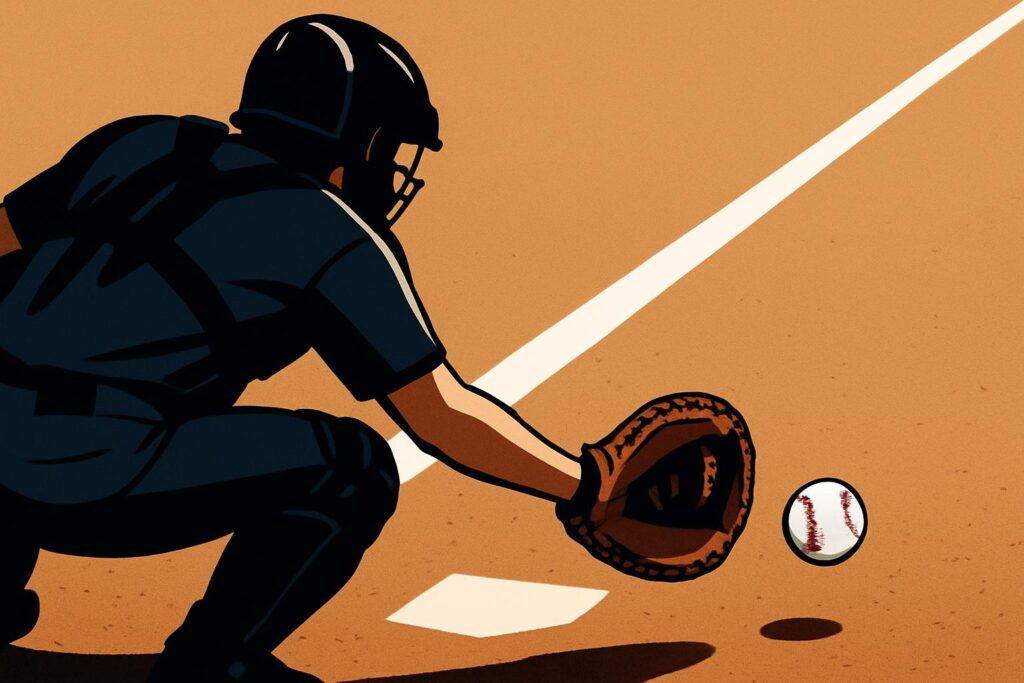
A dropped third strike happens when the catcher does not securely catch the pitch on strike three before the ball touches the ground. The ball remains live. Depending on the baserunner and out situation, the batter may become a runner with the right to try for first base.
This can happen on a swinging strike or a called strike. It can happen on a pitch that bounces in the dirt first. If the ball hits the ground before secure possession, it is not a legal catch. If the catcher never controls the ball, it is not a legal catch. If the umpire signals no catch on strike three, prepare for action.
A foul tip that is caught cleanly is not a dropped third strike. A foul tip caught by the catcher is a legal catch, and on strike three the batter is out. If a foul ball is not caught, it remains a foul ball and the at-bat continues unless the batter already had two strikes and bunted foul. That is a different rule and does not involve a dropped third strike.
When the batter can run
First base unoccupied, fewer than two outs
If there are zero or one out and first base is empty, the batter becomes a runner on a dropped third strike. He can try for first base. The defense must either tag him or throw to first base before he arrives.
Two outs, any baserunner situation
If there are two outs, the batter becomes a runner on a dropped third strike no matter who is on base. This includes a runner on first. The defense must still complete the out with a tag or a throw to first.
When the batter cannot run
If there are zero or one out and first base is occupied at the time of the pitch, the batter is out on strike three even if the catcher does not catch the ball. The ball is live for the existing runners, who can try to advance at their own risk, but the batter has no right to first base.
Key notes on what counts as not caught
A pitch that bounces before the catcher gloves it is not caught. A ball that the catcher traps against the body or the ground is not caught. A ball that the catcher bobbles and loses control is not caught. Any of these on strike three can trigger the rule if the baserunner and out situation allows.
How the play ends for the batter
The defense completes the out
Once the batter becomes a runner, the defense has two simple options. If the catcher can reach the batter in front of the plate, tag him with the ball in hand or in the glove. If the tag is applied before the batter touches first base, the out is recorded and the inning continues or ends if it was the third out.
If the batter is moving toward first base and cannot be tagged quickly, the catcher should make a strong throw to first. The first baseman records the out by either catching the ball with a foot on the bag before the runner arrives or by tagging the runner if the foot is off the bag. The scoring on this putout is catcher to first baseman.
The batter reaches first base safely
If the batter touches first base before a tag or force out, he is safe. The at-bat still counts as a strikeout for the pitcher. The play continues with the batter-runner now on first and any other runners moving as the situation demands. This single rule can extend innings, add traffic on the bases, and change pitch counts.
Interference or dead ball exceptions
If the ball becomes lodged in the catcher’s gear or enters dead ball territory, the umpire will call time and enforce base awards by rule. If the batter hinders the catcher’s tag or throw with illegal interference, the batter is out and runners may be returned. If the batter abandons the play by leaving the field of play for the dugout, he is out. These cases are less common but keep the play from becoming disorderly.
Umpire mechanics and what to watch
On strike three that is not caught, the plate umpire will signal strike three but will not signal the batter out. The umpire will indicate no catch. Many umpires also use a safe motion to show the play is live. If you do not see an out signal, assume the ball is live and the batter can run if the situation allows. As a defender or a runner, respond to this mechanic right away. Delay creates easy mistakes.
Scoring the play
Strikeout with a putout
If the catcher tags the runner or throws to first for the out, the box score lists a strikeout and a putout. If the catcher tags the runner, it is a strikeout with an unassisted putout by the catcher. If the catcher throws to first, it is a strikeout with a putout by the first baseman and an assist to the catcher.
Strikeout and passed ball or wild pitch
If the batter reaches first on a dropped third strike, the official scorer rules passed ball or wild pitch. If the pitch should have been handled with ordinary effort, it is a passed ball. If the pitch was errant, bounced far, or was too difficult to handle with ordinary effort, it is a wild pitch. The pitcher gets a strikeout in either case.
Errors on subsequent plays
If the batter reaches first due to the uncaught pitch, that advancement is charged as passed ball or wild pitch. If a fielder then throws the ball away and more runners advance, those extra bases can be charged as errors. If the catcher’s throw is wild after the ball is already uncaught and the batter was likely to be out with ordinary play, the scorer will still credit the batter reaching on the passed ball or wild pitch and use errors for any additional bases awarded.
Common misunderstandings to clear up
It is not a foul ball
Many fans think a ball that hits the ground near the plate must be foul. On a swing and a miss or a called strike that touches the ground, the ball is not foul unless it touched the bat in fair or foul territory in a way that creates a foul ball. A simple bounce in the dirt is not a foul. On strike three, this triggers the dropped third strike rule.
Foul tip versus foul ball
A foul tip that goes sharply and directly to the catcher and is securely caught is a strike. On strike three with a clean catch of a foul tip, the batter is out and cannot run. If the ball is not caught by the catcher and is a foul ball, the pitch is simply a foul ball and not a dropped third strike, and the at-bat continues unless the two strike bunt rule applies.
The batter does not get a free path
The batter-runner is subject to a tag. If he hesitates and remains near the plate, the catcher can tag him for the out. If he sprints to first, he must run legally in the three foot running lane for throws from home plate once he reaches the last half of the path to first. If he interferes with a throw by running illegally outside the lane, the umpire can call batter-runner interference and declare him out.
First base occupied with fewer than two outs ends it
When first base is occupied with zero or one out, the batter is out on strike three even if the catcher drops the ball. The runners can still try to advance because the ball is live. The batter does not get to run.
Defensive strategy and coaching points
Know the situation before the pitch
Catchers should check the outs and baserunners before every pitch. If there are two outs, be ready to finish the out even after a swing and miss. If first base is open with fewer than two outs, expect the potential rush to first. If first base is occupied with fewer than two outs, relax on the batter but still secure the pitch because runners can try to take extra bases.
Secure the ball first
On a bouncing pitch, drop and block first. Do not rush the throw while the ball is loose. Secure the ball with two hands, then decide. If the batter-runner is close, tag. If he is moving fast or far, throw to first with firm, accurate mechanics. Set the feet, clear the lane, and deliver a strong throw to the chest of the first baseman.
Use the easiest force on two outs
With two outs and bases loaded, the batter becomes a runner on a dropped third strike. All runners are forced to advance. The catcher can simply step on home plate with possession of the ball before the runner from third arrives. That force out ends the inning. Do not force a long throw if a quick step on the plate is simpler.
Assign backups and communication
Pitchers should back up throws to first. Infielders should shout the base target and the outs. First basemen should be ready to stretch and secure the bag. If the batter-runner gets past first base, second basemen should cover possible throws while shortstops prepare for back picks. Clear roles reduce panic on this play.
Prevent extra bases
Even if the batter is out by rule or by tag, other runners can move up on a loose ball. Catchers should keep the ball in front and block the plate area. Outfielders should be alert for overthrows and move toward the infield to cut off caroms. Keep the play in front and stop the cascade of bases.
Offensive strategy and awareness
Batter’s first step
If the rule allows you to run, go immediately. Do not wait for a coach. Listen for the umpire’s no catch mechanic and watch the catcher scramble. Beat the throw with a hard sprint through the bag. Touch first base and then reassess whether to turn or stop on the base.
Runners on base
With first base occupied and fewer than two outs, the batter cannot run but you still have a live ball. If you are on base, read the kick away from the catcher and take the next base if the ball rolls far. If there are two outs, expect the catcher to try for the easy out at any base and run aggressively on contact with the ground.
Force and time plays
When the batter becomes a runner, some runners are forced to advance. With two outs, the defense needs only one more out and will often choose the shortest throw. With fewer than two outs and first base open, if the defense retires the batter-runner at first for the third out, no run can score on that play. Know where you stand in relation to the plate and the likely throw.
Special cases and edge rules
Ball in dead ball territory
If the ball bounces away and enters dead ball territory, the umpire calls time and awards bases as the rules require. The batter-runner may be placed on first or further depending on the last touch and the nature of the throw. This stops live action and puts runners where they would fairly be without the obstruction of the dead area.
Batter interference
If the batter hinders the catcher’s ability to field the ball or make a throw by illegal action, the umpire can call interference and declare the batter out. This prevents the batter from creating a free pass to first by blocking or deflecting the catcher.
Abandonment
If the batter-runner gives up and leaves the vicinity of the play for the dugout before reaching first base, the umpire can declare him out for abandonment. Do not assume you are out. Run through the bag every time the rule says you can run.
Running lane interference
Once past halfway to first base, the batter-runner must use the three foot running lane to the right of the foul line on throws from the area near home plate. If he impedes a throw by running outside the lane without a legal reason, the umpire can call interference and declare him out. This applies on dropped third strikes because the throw often comes from home plate.
Why this rule exists
The rule balances offense and defense while preventing easy double plays on intentional drops. If a catcher could drop strike three with a runner on first and fewer than two outs and then turn two easy outs, the defense would gain an unfair edge. By making the batter automatically out in that case, the rules remove the incentive. In all other cases, the batter can earn first base if the catcher does not complete the catch, which rewards hustle and skill on both sides.
Case study plays
Case 1. Two outs, bases empty
The pitch bounces in the dirt. The batter swings and misses. The catcher blocks the ball but it kicks five feet away. The batter can run. The catcher scoops and throws to first in time. The inning ends on a strikeout with a putout by the first baseman and an assist to the catcher.
Case 2. One out, runner on first
The pitch is a called strike three but the catcher drops it. First base was occupied at the time of the pitch. The batter is out by rule. The runner on first sees the drop and takes second while the catcher searches. The play is live. The runner may be safe if he beats the throw because the batter is already out and cannot be tagged for a force.
Case 3. Two outs, runners on second and third
The batter swings and misses at a low pitch in the dirt. The catcher cannot find the ball. The batter can run. The runner from third breaks home. The catcher finally finds the ball and steps on home for a force because all runners must advance when the batter becomes a runner with two outs. The run does not score. The inning ends on a force at home.
Case 4. No outs, first base empty
The batter watches a breaking ball skip into the glove on a bounce for strike three. He sprints to first. The catcher throws high. The first baseman leaps and misses. The batter reaches first on a strikeout and either passed ball or wild pitch, and takes second on the throwing error. The scorer assigns the strikeout and the passed ball or wild pitch for the advance to first, and an error for the extra base after the bad throw.
Case 5. Two outs, runner on first
The pitch is a slider that clips the dirt. The batter swings and misses. The ball shoots to the backstop. The batter can run. The catcher retrieves and throws late to first. The batter is safe at first. The runner from first moves to second. The pitcher is credited with a strikeout, and the advance is charged as passed ball or wild pitch.
Coaching drills for the play
For catchers
Work blocks that finish with a tag or a throw. Start with the coach bouncing balls in front of the plate. Catchers drop to block, locate, secure, and then either tag an imaginary runner or pop and throw to a target at first base. Add a clock with a coach calling the situation so the catcher decides quickly whether to tag or throw.
For infielders
Use first baseman footwork drills with throws from home. Practice picks in the dirt. Practice stretch and release to make quick tags when the throw takes the fielder off the bag. Have middle infielders rotate to cover second on overthrows so the play does not turn into an extra base parade.
For hitters and baserunners
Run live reps with a coach simulating dropped third strikes. Teach hitters to break to first instantly on the allowed situations. Train runners on first to read blocks and throws. Stress that on two outs, everyone moves immediately and looks for the force target the defense will choose.
Simple checklists
Catcher checklist
Know the outs and runners. Secure the ball. Tag if possible. If not, throw firmly to first. After the throw, check for advancing runners. Communicate target bases with infielders.
Batter checklist
Track the pitch. If you see or hear no catch and the situation allows, run hard to first. Use the running lane. Touch the bag. Then decide whether to advance.
Runner checklist
On two outs, move on contact with the ground. With first base occupied and fewer than two outs, remember the batter is out but you can advance at your own risk. Read the ball and the catcher. Take free bases when the ball kicks far away.
Putting it all together
The dropped third strike rule is precise and predictable when you know the triggers. First base open with fewer than two outs means run. Two outs means run. First base occupied with fewer than two outs means the batter is out but the ball is live for other runners. The defense must complete the out by tag or by force at first. The offense can turn mistakes into baserunners. Both sides win with preparation and quick decisions.
Conclusion
What looks messy at first reveals a clean logic. A third strike not caught can keep an inning alive or end it with a smart tag. The key is awareness before the pitch and fast execution after it. Now that you know when the batter can run, how outs are recorded, how the scorer assigns credit, and how each side should react, you can follow every dropped third strike with clarity. The next time you see the catcher scrambling, you will already know the options, the risks, and the likely result.
FAQ
Q: When can a batter run on a dropped third strike?
A: If first base is unoccupied with fewer than two outs, or if there are two outs regardless of the baserunners, the batter can run on a dropped third strike.
Q: What happens with a runner on first and fewer than two outs?
A: When first base is occupied with zero or one out, the batter is out on strike three even if the catcher drops the ball, and the ball is live for the existing runners.
Q: How does the defense record the out after a dropped third strike?
A: The catcher can tag the batter-runner near the plate or throw to first base to retire him before he arrives.
Q: How is the play scored if the batter reaches first base?
A: If the batter reaches first on a dropped third strike, it is a strikeout plus either a passed ball or a wild pitch, depending on whether the pitch should have been handled with ordinary effort.
Q: Is a foul tip on strike three a dropped third strike?
A: A foul tip that is securely caught by the catcher is a legal catch and on strike three the batter is out, so it is not a dropped third strike.