
We are reader supported. When you purchase through links on our site, we may earn an affiliate commission. Also, as an Amazon affiliate, we earn from qualifying purchases.
The bench coach is the quiet strategist every serious baseball club relies on. If you want to understand modern dugout decision-making, start here. This role supports the manager, turns data into action, coordinates the staff, and keeps the team moving in sync from first pitch to the final out. The title sounds simple. The job is not. By the end of this guide, you will know exactly what a bench coach does, why the position matters, and how to spot a great one.
What Is a Bench Coach
A bench coach is the manager’s top assistant and the in-game strategist who helps the club make sharp, timely decisions. The manager owns final calls. The bench coach prepares options, stress-tests choices, anticipates the next inning, and keeps information flowing to the right people at the right moments. Think of this role as the team’s operations lead inside a three-hour game with constant time pressure.
On some days, the bench coach acts as a co-pilot who sees around corners. On others, the bench coach becomes the acting manager when the manager is unavailable or ejected. Either way, the role blends tactical thinking, communication, and calm under pressure. In a sport where small edges decide close games, the bench coach helps the team find those edges.
Core Duties You See on Game Day
Pre-Game Planning
The work starts hours before first pitch. The bench coach meets with the staff to finalize the game plan. That plan includes the starter’s script, defensive positioning notes, opponent tendencies, and contingency ideas if the game tilts early. The bench coach confirms scouting details, aligns staff on signs and communication protocols, and ensures every player understands roles for the day.
This preparation trims reaction time. When the game throws a surprise, the team already has a guide. Starters know when a lineup turn triggers action. Position players know where to shade certain hitters. The bench coach reduces uncertainty before the first throw.
In-Game Decision Support
During the game, the bench coach is the manager’s primary sounding board. Every decision has a cost. The bench coach frames choices with score, inning, leverage, matchups, and bullpen status in mind. Should the team pinch-hit now or wait one more batter. Should the club play for one run or for a big inning. The bench coach helps weigh the tradeoffs.
The role also demands anticipation. While the current at-bat plays out, the bench coach tracks who is on deck, who is warming in the other bullpen, and what a pivot would mean two innings later. Good bench coaches keep the dugout one step ahead without flooding anyone with noise.
Defensive Positioning and Matchups
Hitters show patterns. The bench coach coordinates with the analytics group and position coaches to place defenders where balls are most likely to be hit. With new rules shaping infield positioning, the bench coach makes sure alignments are legal and effective. Outfield depth, infield in or back, corners guarding the line, all flow through this role in sync with the manager.
Matchups impact nearly every choice. Who handles sinkers. Who chases sliders. Who struggles with elevated velocity. The bench coach keeps a short, clear view of these facts ready for the manager at the exact moment they matter.
Bullpen and Pitching Coordination
Starters tire. Game states change. The bench coach works with the pitching coach to manage the pitching plan in real time. This includes tracking when to get arms up, how many warm-ups a reliever has left, and how a reliever’s strengths fit the next pocket of hitters. The bench coach monitors visit limits, mound conferences, and the overall map of the staff for the series, not just the night.
Because one reliever used hard yesterday might not be fully fresh today, the bench coach balances present leverage with future availability. That balance separates a panic move from a purposeful one.
Replay and Rules Management
Modern baseball places time limits on manager challenges. The bench coach leads the quick funnel of information from video to the manager. That includes the probability of a call being overturned and the value of a challenge in the current situation. Miss a window and the chance is gone. Use a challenge with low odds and you lack one later in a bigger spot. The bench coach helps avoid both mistakes.
Rules also include pitch timers, disengagements, position rules, and mound visit counts. The bench coach keeps the team compliant and opportunistic within those boundaries.
Work That Happens Between Games
Scouting and Analytics
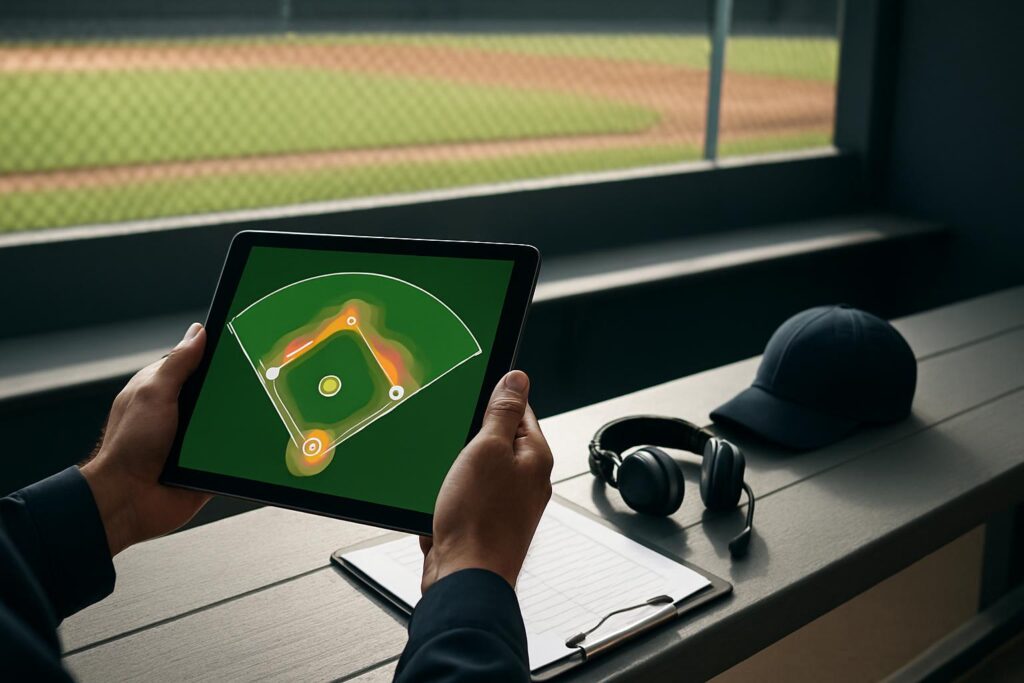
Between games, the bench coach is a bridge between data and the field. The job is not to dump numbers on players. The job is to translate. What does the heat map mean for where the shortstop starts. Which baserunners are good candidates to steal on certain counts. Where can the catcher attack with a two-strike pitch. The bench coach condenses complex reports into practical action items the team can remember at game speed.
This translation role builds trust. Players hear a clear why behind a plan. Coaches see that numbers support what their eyes suggest. Alignment grows.
Player Development and Feedback Loops
Season-long improvement requires honest, steady feedback. The bench coach meets with players to review decisions, reinforce good habits, and reset after bad nights. When a role shifts or a bench player needs at-bats soon, the bench coach delivers that message clearly and respectfully. That clarity reduces surprises and resentment.
The bench coach also watches for trends. Is a young reliever missing arm-side late in outings. Is a veteran pulling off breaking balls. These notes get routed to the pitching and hitting staffs with actionable next steps.
Culture, Meetings, and Daily Rhythm
Winning teams run on consistent routines. The bench coach sets meeting cadence, keeps practices tight, and protects recovery windows. When a long trip or a losing skid strains the group, the bench coach reads the room and adjusts. Fewer meetings on a getaway day. Sharper detail work after a sloppy game. This steady hand keeps the team from drifting.
How the Bench Coach Connects the Staff
With the Manager
The manager sets standards, tone, and final decisions. The bench coach provides structure and options. Before the game, they walk through scripts and contingencies. During the game, they check each other’s blind spots. After the game, they review what worked and what needs adjustment. The relationship demands trust and honest debate without ego.
With Pitching and Hitting Groups
The pitching coach owns the staff. The hitting coach owns the bats. The bench coach ensures their plans intersect with leverage and game flow. If a pinch-hitter is likely in the seventh, the bench coach flags it hours earlier so the hitter prepares. If the starter’s third time through is risky, the bench coach communicates the likely handoff window well before the inning arrives.
With Analysts, Medical, and Base Coaches
Analysts supply evidence. The bench coach filters and implements it. Medical and performance staff manage health. The bench coach respects limits and plans around them. Base coaches handle signals and on-field cues. The bench coach keeps them in sync with matchup plans and defensive positioning changes. The role is glue that holds multiple specialties together.
Skills That Separate Top Bench Coaches
Communication is first. The bench coach must be direct, concise, and consistent. Clear words reduce errors. Many clubs value bilingual skills because fast, accurate messages across languages lift performance under pressure. Calm delivery matters when stadiums get loud and moments speed up.
Decision-making under stress is next. The bench coach balances probabilities with human reality. A model can favor a move, but the player may be fatigued or dealing with a minor tweak. The best bench coaches weigh numbers, context, and people in seconds and present the manager a sharp recommendation.
Rules mastery and data fluency follow. Knowing every rule detail avoids preventable mistakes. Understanding modern metrics turns predictions into positioning and bullpen timing. Add teaching ability and you have a coach who not only chooses well, but also helps others choose well tomorrow.
Real Situations a Bench Coach Steers
Late-Inning Leverage
Close games live in details. The bench coach tracks which bench bats match an upcoming reliever, who can handle velocity, and who gives a better shot to move a runner. In leagues without a designated hitter, the bench coach manages double switches and thinks two innings ahead to avoid a weak lineup spot in a key pocket. Even with a designated hitter, pinch-hitting and pinch-running choices can swing a score.
Baserunning Pressure
Manufacturing a run requires timing. The bench coach considers the catcher’s arm, the pitcher’s delivery time, the hitter’s contact profile, and the count. Steal now or wait. Safety squeeze or let the hitter swing. The call changes with the opponent’s battery and the value of a run in that inning. The bench coach puts all that into a short, actionable cue.
Defensive Decisions Under New Rules
Defensive flexibility must respect positioning rules while still taking away high-probability contact. The bench coach sets infield depth and outfield angles by hitter and by count. With a ground-ball pitcher on the mound, corners may guard lines more often. With a fly-ball pitcher, outfielders may step back a few feet. Each small choice raises the odds of a routine out instead of a seeing-eye single.
How the Role Shifts by Level
Major Leagues
In the majors, the bench coach navigates deep scouting, strict timing rules, and media pressure. The staff is large, and the bench coach often coordinates a broad group of specialists. Plans are more detailed and opponent adjustments come fast. In this setting, the bench coach is a high-level operator who unites information with execution.
Minors, College, and International Play
In the minors, development shares the stage with winning. The bench coach may carry extra teaching duties and help younger players learn game management. In college, some teams do not use a dedicated bench coach. Duties can be split among assistants. International teams often compress preparation windows during tournaments. There, the bench coach focuses on quick installs, scouting briefs, and clear roles so the team can execute despite limited shared time.
Pathways to the Job
Most bench coaches come from one of four tracks. Former catchers who see the whole field. Former infielders with leadership track records. Former managers in the minors who learned lineup and bullpen rhythm. Analysts and coordinators who moved to on-field roles and can translate data to decisions. All four backgrounds can work if the coach can teach, simplify, and keep a dugout steady.
To prepare, future bench coaches study rules, practice short-form communication, learn basic programming or analytics literacy, and manage games at lower levels. They also build relationships across departments. Trust across the room speeds up every decision and reduces errors when pressure spikes.
How Teams Judge Bench Coach Impact
Wins and losses belong to the whole club, but teams still measure this role. Staffs track decision quality against internal models. They review challenge success rates and timing. They evaluate bullpen usage versus freshness plans. They note how often the team was set on time with the right defenders in place. These are operational signals that show tight or sloppy performance.
Player and staff feedback matters too. Do players report clear roles. Do coaches feel their plans reached the field intact. Do game reviews show anticipation rather than reaction. When those answers are yes across weeks and months, the bench coach is adding real value.
Common Misconceptions
One misconception is that the bench coach just agrees with the manager. The best ones challenge ideas respectfully and present stronger options. Healthy disagreement in preparation produces cleaner decisions in chaos. Another misconception is that the bench coach is only an analytics voice. In truth, the role blends data, observation, and player feel. The output is a clear, human decision.
A final misconception is that the bench coach is only a backup manager. While the bench coach does step in when needed, the day-to-day value comes from coordination and foresight that prevent fires before they start. The job is to refine the process every day so outcomes improve over time.
Why the Role Keeps Growing
Baseball keeps adding complexity. Pitch timers, deeper bullpens, specialized hitters, and constant travel all raise the cognitive load in the dugout. At the same time, information is richer than ever. Turning that information into consistent, fast action requires a dedicated strategist. That is the bench coach. The better a team gets at this translation, the more often it wins the small margins that decide postseason berths.
Conclusion
The bench coach is the team’s tactical anchor. Before the game, this coach builds plans and clears confusion. During the game, this coach sharpens decisions, aligns defense, manages rules and challenges, and keeps the staff synchronized. Between games, this coach connects analytics to practice, supports player growth, and protects the team’s rhythm. If you want to evaluate a club’s readiness, watch its bench coach. You will see the difference in clean innings, timely choices, and a group that looks one step ahead.
FAQ
Q: What does a bench coach do during a game
A: The bench coach supports the manager with fast, clear recommendations on matchups, bullpen timing, defensive positioning, and replay challenges, while keeping communication tight across the staff.
Q: How is a bench coach different from a manager
A: The manager makes final decisions and sets overall direction. The bench coach prepares options, anticipates scenarios, and coordinates execution so those decisions are informed and timely.
Q: Does every baseball team have a bench coach
A: At the professional level it is standard to have a dedicated bench coach. At some amateur levels the duties can be shared among assistants.
Q: Can a bench coach become a manager
A: Yes. Many bench coaches become managers after proving they can run game strategy, communication, and staff coordination.
Q: How do teams measure the impact of a bench coach
A: Clubs review decision quality versus internal models, challenge success, bullpen usage versus freshness plans, clean defensive alignment, and player and staff feedback on clarity and preparation.