
We are reader supported. When you purchase through links on our site, we may earn an affiliate commission. Also, as an Amazon affiliate, we earn from qualifying purchases.
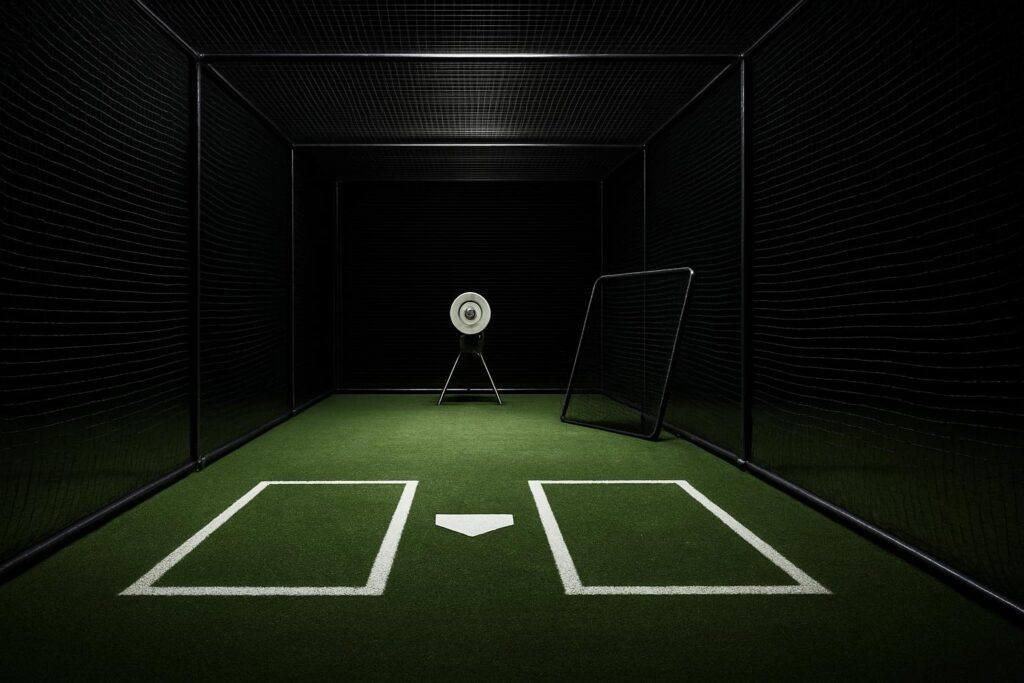
A batting cage takes the chaos out of hitting practice. It isolates the hitter, controls the ball flight, and creates a repeatable environment for focused reps. With the right setup, you train year round, track progress, and protect people and property around you. This guide explains what a batting cage is, how it works, what gear it uses, how to choose a size, how to train inside it, and how to build or buy one safely.
What A Batting Cage Is
Core definition
A batting cage is a contained practice area with netting and a defined hitting lane where hitters face live tosses or pitching machines without chasing balls.
What happens inside
Inside a cage, the hitter stands on a marked plate or batter’s box and swings at pitched balls. Balls either arrive from a coach tossing underhand or overhand, from a pitcher throwing live, or from a machine. Netting stops every ball, keeping the practice tight and efficient. Targets, L screens, and turf support quality reps and safety.
Who uses it
Baseball and softball players at any level use batting cages. Beginners use them to build contact and confidence without fielding distractions. Youth teams rotate hitters through for structured sessions. Advanced hitters use cages for timing, pitch tracking, adjustments, and routine maintenance between games.
Key Components
Frame and layout
The frame holds the net and defines the lane. Common options are steel poles, powder coated aluminum, or heavy duty conduit. Indoor frames may hang from ceiling anchors. Outdoor frames use ground sleeves or concrete footings. A simple lane has four corners, a top rectangle, and attachment points that keep the net off the hitter and machine.
Netting types and mesh
Netting does the heavy lifting. Typical materials are knotted nylon, high density polyethylene, and poly blends with UV protection. Mesh size is often one and three quarters inches for baseball and two inch options for softball. Gauge influences durability. Thicker twine survives heavy volume. A cage net drapes inside the frame with enough slack to absorb impact without bouncing balls back into the lane.
Turf and batter’s boxes
Cage floors need grip and durability. Many setups use turf rolls with a home plate stance mat or a full batter’s box mat with inlaid lines. Turf protects bats, joints, and real grass underneath. Good turf reduces slipping and makes ball pickup quick. Some garages and basements use rubber tiles with a mat overlay to reduce noise and protect concrete.
Pitching machines and balls
Pitching machines vary by feeding method and wheel count. Single wheel machines handle consistent fastballs. Dual wheel units add speed range and basic breaking ball movement. Three wheel machines offer refined spin and command. Some machines convert between baseball and softball with a quick swap of the feeding chute and settings. Dimpled cage balls last longer and reduce sting. Leather balls deliver game feel but wear nets and machines faster.
Safety screens and helmets
L screens protect coaches during front toss and overhand batting practice. A quality L screen has a stable base, heavy gauge netting, and a reversible design for right and left toss. At minimum, hitters wear a helmet with a face guard and only one person stands in the hitting lane at a time.
Lighting and power
Consistent light makes the ball trackable. Indoor cages rely on LED strips or high bay fixtures placed beyond the hitter’s eye line. Outdoor cages benefit from weather rated flood lights aimed from behind the hitter toward the net, not directly into the hitter’s eyes. Machines and lights need safe power with grounded outlets and cable management to keep cords out of swing paths and walking lanes.
Sizes and Dimensions
Standard lengths
Cage length depends on space, speed, and use. Typical single lane lengths are thirty five, fifty five, and seventy feet. Thirty five suits tight spaces and tee or soft toss work. Fifty five is a balanced all purpose length that fits most backyards and still allows machine work. Seventy simulates game distance and gives coaches space for live arm work behind screens.
Width and height
Width often ranges from twelve to fourteen feet. Twelve feet fits most spaces and keeps balls reachable for pickup. Fourteen feet adds comfort for wider stances and follow through. Height is usually twelve to fourteen feet. Taller nets reduce ricochet risk and make the cage feel open. For garages and basements, height matches ceiling clearance, with careful planning to protect walls and rafters.
Softball and baseball differences
Softball hitters can use the same cage sizes, but the shorter reaction time in games means drills often move the machine closer. Baseball hitters value longer lanes to see spin and shape. Adjust the plate location within the lane so the hitter’s contact point stays safe and consistent.
Distance from machine to plate
Distance controls reaction time. For controlled fastballs, many setups place the machine at forty five to fifty feet in a fifty five foot lane and at fifty five to sixty feet in a seventy foot lane. For softball, thirty to forty five feet is common. Reduce speed or move the machine back if hitters are late and mechanics break down.
Home space planning
Plan for buffer zones around the cage. Leave at least two feet of clearance on the sides and top so the net can flex on impact. Ensure there is room to walk around the ends. Measure door widths for turf and equipment moves. Consider storage space for the net if you plan to take it down seasonally.
Types of Batting Cages
Indoor versus outdoor
Indoor cages run year round and avoid weather. They need ventilation, dust control, and lighting. Noise control matters in shared buildings. Outdoor cages use UV rated nets, rust resistant frames, and anchors that handle wind. Shade structures reduce glare and heat on sunny days.
Permanent versus portable
Permanent cages use fixed poles and concrete footings. They feel stable and need less adjustment. Portable cages use weighted bases or ground stakes and can move between fields, yards, or parking lots. Portable designs trade some stability for flexibility.
Free standing versus suspension
Free standing frames sit on the ground with vertical uprights. Suspension cages hang nets from cables stretched between end posts or wall mounts. Suspension systems create cleaner lanes with fewer bounce points but demand strong anchors and regular tension checks.
Commercial multi lane versus home single lane
Commercial facilities stack several lanes side by side with curtains that divide and protect each lane. Ball returns, token machines, and booking systems keep things moving. Home setups prioritize a single versatile lane with a moveable plate, targets, and multipurpose turf that can handle tee work and fielding drills.
Baseball versus softball setup details
Softball machines use wider chutes and different wheel spacing to handle larger balls. Hip level release heights simulate underhand throws. Baseball machines match overhand release planes. Both sports benefit from adjustable speed, consistent ball quality, and careful placement relative to the plate.
Safety First
Protective gear basics
Helmets and face guards reduce risk from ricochets and mis hits. Batting gloves improve grip and reduce vibration. Coaches behind an L screen should still wear helmets. Spectators should stay behind netting or outside the cage fence line. Post rules at the entry and enforce them every session.
Net ratings and lifespan
Choose nets with UV protection for outdoor use. Thicker twine resists heavy team volume. Inspect for frays where the ball path concentrates and where net rubs the frame. Add wear panels behind the plate and near machine feeds to protect high impact zones. Rotate the net seasonally to spread the load.
Anchoring and stability
Secure frames with ground sleeves, concrete footings, or heavy base plates. Use guy wires if wind is a concern. Keep the net off sharp edges with protective padding or sleeves. For indoor setups, verify that ceiling mounts are rated for the load with a safety margin. Check fasteners monthly.
Operational rules
Set a clear on deck area outside the lane. Only one hitter swings in the lane at a time. The feeder speaks to start and stop reps. The hitter keeps the bat down until the feeder confirms the lane is clear. Power off the machine before entering the far end for ball pickup.
Training Uses and Drills
A simple hitting progression
Start with dynamic mobility and band work for shoulders, hips, and core. Move to dry swings for posture and rhythm. Progress to tee work, then front toss, then machine. Finish with feel drills that reinforce the day’s focus. Keep reps crisp and reset after every swing.
Timing and approach
Timing starts with a consistent load and stride. Use verbal or visual cues to trigger the move on ball release. Vary speeds to train adjustability. Hunt targets in zones you expect to see in games. Build a plan for early in the count versus two strike situations. Do not chase perfect contact on every swing. Train misses small and misses on plane.
Tee work that matters
Place the tee at belly button height for middle pitches, out front for pull side, and deeper for opposite field. Aim for backspin line drives. Use contact points that match game pitch locations. Keep the ball seams perpendicular to the bat path to check spin feedback. Score sessions by line drives to targets rather than by total swings.
Front toss essentials
Front toss creates timing without overload. Toss from behind an L screen and target the lane. Keep a steady rhythm with clear start calls. Mix locations while staying within the hitter’s plan. Use soft balls if space is tight to reduce bounce back.
Machine work without bad habits
Resist max speed for most reps. Match the speed to the focus of the day. Vary speeds and heights to avoid grooving. Practice fastball in and fastball away on separate blocks before adding mix. Track the ball from the feeder’s hand to the barrel and hold the finish. When fatigue rises, end the set and reset quality.
Measuring progress
Use simple metrics that match your goals. Tee exit velocity shows bat to ball quality without timing noise. Hard hit rate during machine sessions shows barrel control under speed. Zone charts and spray charts show approach and adjustability. Track sets, reps, and quality swings, not just total swings.
Youth friendly sessions
Keep lines short and instructions clear. Use lighter bats sized to the player. Toss underhand or use slower machine settings to build confidence. Celebrate line drive contact. End with a fun target game to keep engagement high.
Coaching In A Cage
Feedback that sticks
Give one cue at a time. Tie the cue to a result the hitter can feel. Film short clips from the side and behind to confirm changes. Set a primary goal for the session and a single secondary goal. End with a brief recap so the hitter leaves with clarity.
Targets and constraints
Use hanging targets or taped zones on the back net to anchor intent. Add a stride box on the floor to control direction and length. Place a foam barrier outside the lead knee to prevent drifting. These constraints reduce talk and increase learning through action.
Common mistakes and quick fixes
Over swinging leads to head movement and rollovers. Solve it with a bat speed cap and short bat rounds. Early roll of the wrists kills lift. Train palm up palm down at contact and hold the finish. Drifting forward steals adjustability. Add a pause at toe touch to reclaim balance.
Building Or Buying
Cost overview
Costs scale with size, durability, and machine choice. A simple home lane focuses budget on a safe frame, UV rated net, turf mat, L screen, and a reliable entry level machine. Buying used machines and local pipe can stretch dollars without risking safety.
A basic home setup with a 55 foot net, simple frame, turf runner, and a used entry level machine often ranges from two thousand to four thousand dollars.
Materials checklist
Plan for corner and mid span poles, top crossbars, net with corner ropes, carabiners or snap hooks, ground sleeves or base plates, turf or mats, L screen, plate mat, ball bucket, machine or toss station, lighting if indoors, and weather covers if outdoors.
DIY steps simplified
Measure the site and mark corners. Set ground sleeves or bases. Assemble the top rectangle on the ground and raise it onto uprights with help. Hang the net from the top, working from the middle outward, and let it drape with slack. Tie corners, add bungees along sides, and confirm there are no tight points. Place turf and mats, set the plate, and position the L screen. Test tosses at low speed before full use.
Zoning, neighbors, and noise
For outdoor cages, check local rules on accessory structures and setbacks. Place the cage away from property lines if possible. Use turf and rubber mats to absorb sound. Limit late night use under lights out of respect for neighbors. Keep the site clean so the cage reads as a maintained sports area, not clutter.
Maintenance And Longevity
Net care
Inspect high wear areas monthly. Trim loose fibers and heat seal ends if the material allows. Add wear panels behind home plate and at the machine. Keep nets dry when stored. In heavy weather regions, drop the net before winter or severe storms to reduce load on the frame.
Frame and hardware
Check bolts, clamps, and anchors quarterly. Tighten loose connections. Replace rusted parts before failure. Add protective sleeves where net rubs metal. Straighten poles after wind events and verify that the lane remains square.
Turf and cleanliness
Vacuum turf to remove grit that wears fibers. Rotate stance mats to spread wear. Clean up seed shells and tape scraps. Wipe machine wheels and chutes according to the manufacturer. Store balls in dry bins to prevent swelling and hard spots.
Etiquette And Scheduling
Shared cages
Post a schedule and honor time slots. Rotate hitters in small sets to keep pace. Pick up balls between sets rather than at the very end to avoid long delays. Replace screens and targets where you found them.
Team flow
Set up stations that feed the cage. While one group hits, others work on defense footwork, band work, or bunting at a side mat. Keep one coach at the feeder and one coach managing the on deck area. End with a quick reset so the next team starts on time.
Choosing The Right Cage For You
Clarify goals
Decide whether you need year round access, high volume durability, or a compact lane for fundamentals. Match size and features to your real use, not a wish list that busts the budget. If you mainly do tee and front toss, a shorter lane with quality turf and a good L screen may beat a long lane with a weak net.
Match to skill level
Beginners need consistency and safety. Choose a stable frame, clear rules, and a forgiving machine speed range. Advanced hitters need variability and space to see the ball. Invest in machine adjustability, lighting, and measurement tools that guide practice.
Plan for growth
Pick a frame that can accept a longer net later. Choose a machine with a speed ceiling you will not outgrow. Add modular mats and removable targets so the lane evolves with the hitter.
Sample Session Templates
Beginner thirty minute session
Five minutes mobility and dry swings. Ten minutes tee work focusing on middle and opposite field contact. Ten minutes front toss with simple location mix. Five minutes target game to center field. End with two takeaways for the next session.
Intermediate forty five minute session
Five minutes activation and rhythm drills. Ten minutes tee constraints for posture and approach. Fifteen minutes machine fastball at controlled speed with tempos varied every five pitches. Ten minutes zone challenge with hanging targets. Five minutes review and note adjustments.
Team station rotation
Fifteen minutes per station across three stations. Station one tee and constraint drills. Station two front toss timing. Station three machine game speed for the most game like reads. Switch stations on the clock and keep score on a whiteboard to drive focus.
Troubleshooting Common Issues
Ball ricochets
If balls bounce back, add net slack, protect sharp corners, and check the distance between net and frame. Use softer cage balls until the issue is solved.
Late swings
Lower machine speed, move the machine back, or add a consistent timing cue. Rebuild the load and stride rhythm with front toss.
Rollovers and topspin grounders
Raise the tee to sternum height for a few rounds. Cue palm up palm down through contact. Aim middle away until the barrel stays through the zone.
Fatigue and breakdown
Cut set size, add rest, and stop the session before mechanics fall apart. Quality beats volume. End with feel good line drives at a manageable speed.
Accessibility And Inclusion
All players welcome
Choose adjustable tees and moveable mats to fit different heights and stances. Keep walkways clear and well lit. Use clear signage and simple rules. Create a calm on deck area for athletes who need routine and predictability.
Safety cues for everyone
Use hand signals along with voice calls to start and stop. Post rules at eye level for youth. Make helmets and face guards easy to find and mandatory for all hitters.
Environmental And Comfort Factors
Temperature and airflow
In indoor spaces, add fans to move air across the lane without blowing into the ball path. In outdoor spaces, use shade sails to cut heat and glare. Hydration stations near but outside the lane keep the pace steady.
Light quality
Match color temperature across fixtures to avoid flicker and shadows that confuse tracking. Place lights so the hitter sees the ball lit against a darker back net. Clean lenses and check for dead zones monthly.
Conclusion
A well planned batting cage turns practice into a system. It standardizes the environment, protects people, and makes reps efficient. Define your goals, choose a size and type that fit your space, set clear safety rules, and run simple progressions that build real game skills. Maintain the cage, track what matters, and keep sessions focused. Over time, the cage becomes a reliable engine for confidence, contact quality, and performance.
FAQ
Q: What is a batting cage?
A: A batting cage is a contained practice area with netting and a defined hitting lane where hitters face live tosses or pitching machines without chasing balls.
Q: What is a standard size for a backyard batting cage?
A: A common home size is 55 feet long, 12 to 14 feet wide, and 12 feet high.
Q: What safety gear is required in a batting cage?
A: At minimum, hitters wear a helmet with a face guard and only one person stands in the hitting lane at a time.
Q: How much does it cost to set up a basic home batting cage?
A: A basic home setup with a 55 foot net, simple frame, turf runner, and a used entry level machine often ranges from two thousand to four thousand dollars.
Q: What are two beginner friendly drills for a batting cage?
A: Two beginner friendly drills are high tee to train staying on plane and front toss at fifteen to twenty feet to build timing.