
We are reader supported. When you purchase through links on our site, we may earn an affiliate commission. Also, as an Amazon affiliate, we earn from qualifying purchases.
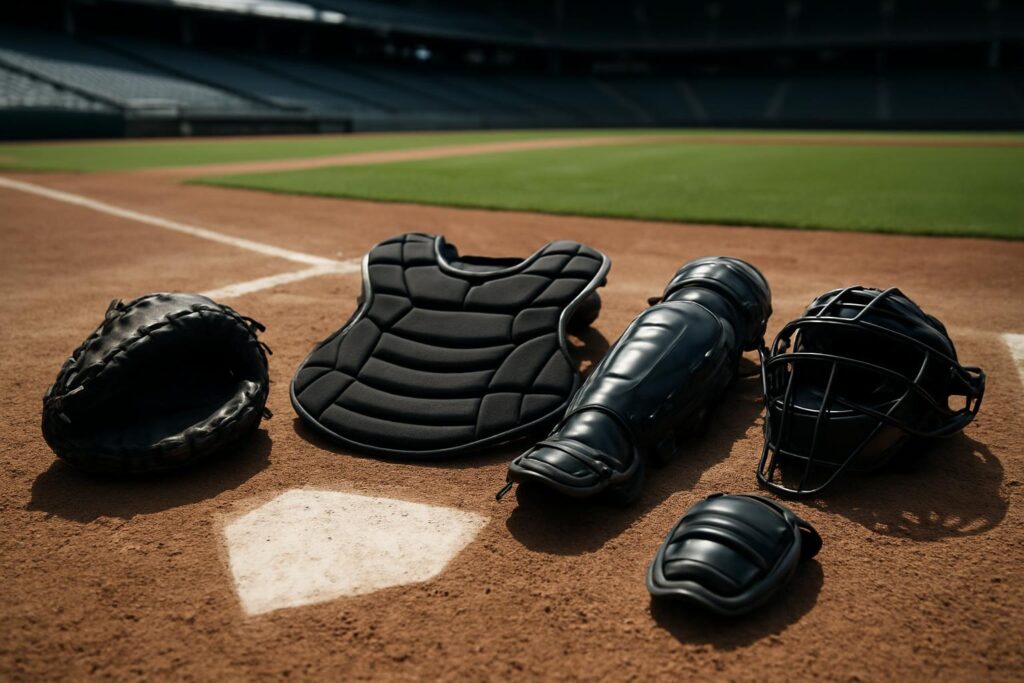
A backup catcher is the second catcher on a baseball team who supports the starting catcher, protects the pitching staff, and keeps the defense steady when called upon. This role often looks quiet on the surface. In reality, it demands high skill, sharp preparation, and steady leadership. If you are new to baseball, understanding the backup catcher will change how you watch every game. You will start to notice the planning, the trust, and the small decisions that keep a team stable across a long season.
This guide explains what a backup catcher is, what they do, why the role matters, and how teams use them from day to day. You will learn the core skills, the in-game duties, the roster mechanics, and the way backup catchers add value even when they are not in the lineup.
What Is a Backup Catcher
The backup catcher is the primary reserve at the catcher position on a team’s active roster. The starter handles most games. The backup fills in on scheduled rest days, covers day games after night games, takes over in case of injury or ejection, and often catches specific pitchers based on comfort or matchup. On some clubs there is also a third catcher for extra depth, but on most days the roster carries two active catchers.
At its core, the position exists to protect the pitching staff and maintain defensive quality behind the plate without overworking the starter. Teams cannot risk having only one catcher who plays every day. The schedule is too long, the position is too demanding, and the stakes around run prevention are too high.
Why Teams Need a Backup Catcher
The demands of catching
Catching is the most physically demanding defensive job in baseball. The catcher squats for hundreds of pitches, blocks balls in the dirt, absorbs foul tips, and makes quick throws. Overuse leads to fatigue and injury. Fatigue hurts defense first, then hitting. A reliable backup allows a manager to schedule rest for the starter and keep performance steady across the season.
Schedule realities
Baseball teams play almost every day for months, often with travel and quick turnarounds. Day games after night games are common. Many managers plan for the backup to start the day game to protect the starter’s legs and hands. Doubleheaders add more innings and more stress. The backup provides safe coverage without forcing the starter into risky workloads.
Injury insurance and stability
Injuries happen. Catchers take foul tips off the mask, wrists, and shoulders. If the starter exits mid-game, the backup steps in with no drop in defensive responsibility. This insurance is not optional. It is a requirement for a stable roster and a calm pitching staff.
What the Backup Catcher Does Every Day
Game planning and scouting
Even on days they do not start, backup catchers help build the plan for how to attack opposing hitters. They study scouting reports, video, and analytics. They review hitter hot zones, chase tendencies, and swing decisions. They note which pitches pair well and how to sequence them. This preparation supports the starter and the pitching staff, and it keeps the backup ready to step in without a gap in knowledge.
Pitcher relationships and communication
Backup catchers work constantly on trust with each pitcher. They learn preferred pitch shapes, tempos, and mound demeanor. Some pitchers prefer a fast pace. Others need time between pitches. Some want the catcher to take charge of sequences. Others want a partnership. The backup learns these details so a switch behind the plate does not disrupt rhythm.
Bullpen sessions and side work
On non-start days, the backup often catches bullpen sessions and flat-ground work. This helps pitchers refine mechanics and helps the catcher stay sharp on receiving and blocking. It also builds familiarity with movement profiles, which matters for later in-game decisions.
Leadership in the clubhouse
Many backup catchers act as steady voices in the clubhouse. They help young pitchers settle in. They translate game plans into clear points. They offer honest feedback after innings. They keep the tone calm when the game speeds up. Leadership is not just speeches. It is steady presence and consistent standards.
Key Skills for a Backup Catcher
Receiving and framing
Receiving is the clean catch of pitches. Framing is the subtle skill of presenting borderline pitches as strikes. Good framing adds strikes. More strikes mean fewer base runners and shorter innings. Backup catchers must be quiet with the glove, strong with the wrist, and consistent in their setup. This is often the top defensive priority because it affects every pitch.
Blocking and game control
Blocking keeps balls in front of the plate. It protects against wild pitches and passed balls, especially with runners on base. Backups must read pitch types, commit to angles, and absorb impact. Good blocking builds pitcher confidence. Pitchers will throw breaking balls in the dirt when they trust the catcher to smother them. That trust widens the pitching plan.
Throwing and the running game
The catcher defends against stolen bases by throwing to second or third. Key elements include transfer speed from glove to hand, footwork, throwing mechanics, and accuracy. Teams often track pop time, which is the time from the ball hitting the catcher’s glove to the ball reaching the fielder at the base. A backup does not need elite arm strength, but must be consistent and quick.
Game calling and strategy
Game calling blends data, pitcher strengths, and hitter weaknesses. The catcher chooses or suggests pitches, sets targets, and guides pace. Many teams use PitchCom to communicate pitch types and locations, which reduces sign stealing risk and speeds up decisions. Even with technology, the catcher’s judgment remains central. The best backups adjust quickly to what they see in the batter’s box and in the pitcher’s delivery.
Hitting expectations
Most backup catchers are defense-first players. Offense is a bonus. The key is not to give away at-bats. Productive plate appearances matter: deep counts, quality contact, bunts when needed, moving runners, and avoiding empty swings with two strikes. Some backups bring power. Others offer contact and situational awareness. Teams value run prevention first at this position.
Versatility and rules knowledge
Backups must know bunt defenses, first-and-third plays, pickoff timing, and rules around interference and obstruction. They must manage mound visits within limits and guide pitchers through pitch clock situations. Awareness reduces free bases and soft errors.
How Teams Use a Backup Catcher in Games
Starting day games after night games
This is the most common planned start. The manager gives the starter a rest and trusts the backup to run the staff. This schedule keeps both catchers fresh across the week and protects long-term performance.
Catching specific pitchers
Some pitchers prefer a certain catcher due to comfort with receiving or pace. A backup may become the personal catcher for a pitcher when the pairing improves results. This is not about favoritism. It is about run prevention and pitcher confidence.
Late-inning defense and matchups
Managers sometimes insert a backup for defense in the late innings if they want better blocking and framing for high-leverage relievers. If the starter took a foul tip, the backup can take over to avoid risking further injury. A stable defensive plan in the ninth inning can decide tight games.
Pinch hitting and DH era context
With the designated hitter across both leagues, managers pinch hit for catchers less often than before. Carrying two catchers makes late-game pinch hitting a risk if the starter must exit afterward due to injury. Some teams carry a third catcher in certain stretches to allow more pinch hitting freedom, but many prefer roster flexibility elsewhere. The backup may still pinch hit or pinch run if circumstances demand it, but defense drives most decisions.
Preparation and Training
Pre-game routine
On days they start, backups follow a steady routine. They review the plan, warm up with pitchers, run blocking and receiving drills, work on footwork for throws, and take batting practice with a purpose. On days they do not start, they focus on bullpen sessions, video work, and targeted drills to stay game-ready.
Between-series study
Backup catchers track upcoming opponents. They review recent at-bats of key hitters, note changes in approach, and identify count-based tendencies. They also study their own pitchers’ trends, such as times through the order, pitch usage, and locations that draw weak contact. The goal is simple. Be ready to call the right pitch before the hitter knows what is coming.
Conditioning and recovery
Catching taxes the knees, hips, back, and forearms. Backups maintain mobility work, core strength, and hand protection routines. After catching, they prioritize recovery with hydration, light movement, and targeted treatment. Good habits allow fast bounce-back in case of an unexpected workload spike.
Staying sharp without daily reps
The hardest part of being a backup is staying sharp without daily game reps. Repetition in drills, live catching in bullpens, and mental rehearsal bridge that gap. Backups often simulate counts and pitch types in side work. Every rep has a game-speed mindset. That mindset reduces rust when the call comes.
Working With the Pitching Staff
Building trust that holds under pressure
Trust forms over time through consistent targets, smart sequences, and clear feedback. When pitchers believe their catcher will block a breaking ball in the dirt or steal a borderline strike, they throw with intent. Backup catchers earn this trust through reliable mechanics and strong preparation.
Mid-game adjustments
Hitters adjust quickly. A backup must spot what changes and counter it. If a hitter sits on fastballs early, start sequencing with off-speed and expand the zone later. If a pitcher loses feel for a pitch, simplify the plan, regain rhythm, then rebuild the full mix. The catcher’s feel for when to change speeds or move locations can decide innings.
Analytics and technology
Modern teams blend data with on-field instincts. Catchers use heat maps, swing metrics, and approach notes. They also use PitchCom for fast and secure communication. Technology helps, but the catcher must apply it in real time, pitch by pitch, without losing tempo or reading body language from the mound.
Mound visits and pace control
Well-timed mound visits settle nerves and refocus the plan. A good backup saves visits for real turning points and uses brief on-plate cues to guide rhythm. With the pitch clock in play, catchers also help pitchers manage time without rushing mechanics.
Roster Mechanics and Career Path
The 26-man roster and the catcher spot
Most teams carry two active catchers on the 26-man roster. That structure forces careful game management. Burning the backup early creates risk if the starter gets hurt. Managers balance these risks with the need for offense and late-game moves.
Depth chart and the minor league shuttle
Organizations rely on a depth chart that includes Triple-A and sometimes Double-A catchers ready to step in. Options and waivers rules affect how freely a club can move catchers between the majors and minors. A dependable backup reduces churn and protects development minutes for younger players in the minors.
How players become backup catchers
There are two common paths. The first is the veteran who built a career on defense, trust, and preparation. The second is the young catcher who is close to starter-ready but needs more seasoning. In both cases, the player earns the job by proving he can handle a staff, prepare like a pro, and deliver stable defense on short notice.
Value across a season
Backups often play a few times a week, more if injuries or doubleheaders pile up. Their value accumulates in runs prevented, pitcher comfort, and the fresh legs of the starter. They may not fill a highlight reel daily, but they anchor plans that win close games over time.
How to Evaluate a Backup Catcher
Defense-first lens
Start with receiving, blocking, and throwing. Look for clean catches, minimal extra movement, strong blocks that keep balls in front, and quick, accurate throws. Defensive consistency matters more than a single standout play.
Staff results and communication
Teams track pitcher performance with each catcher. A steady staff ERA and fewer cross-ups can signal strong game calling. Watch mound interactions. Calm and clear communication is a positive sign.
Availability and reliability
Being ready every day is part of the job. Can the backup start on short notice, catch extra innings, or cover a doubleheader without a drop in quality The answer to that question shapes trust from the manager and the staff.
Offensive floor
Look for professional at-bats. Fewer empty swings, more balls in play, and quality two-strike contact. Even a modest bat that avoids slumps can be enough when defense drives the role.
Common Misconceptions
Misconception 1: Backup catchers just sit on the bench
They do far more than wait for a start. They run scouting, catch bullpens, lead pitchers through plans, and stay ready for instant action. Their work begins long before the first pitch.
Misconception 2: Offense defines their value
Run prevention defines the role. A defense-first catcher who saves strikes, blocks reliably, and leads a pitcher to efficient innings can swing a game. Offense helps, but defense sets the baseline.
Misconception 3: A bullpen catcher and a backup catcher are the same
They are not the same. A bullpen catcher handles warmups and practice and is not active on the 26-man roster. A backup catcher is an active player who starts games, enters during live action, and carries full game responsibilities.
The Backup Catcher’s Impact You Can See
Cleaner innings and fewer mistakes
Watch for reduced passed balls, better control of the running game, and well-timed mound visits. These are visible signs of a catcher in control.
Confidence from pitchers
Pitchers who trust their catcher throw with intent. You will see more breaking balls in key counts, better pitch shapes, and more aggressive sequences. This is often the product of steady catching and clear plans.
Stable performance in tough spots
Close games in late innings reward clean defense and smart pitch calling. Backup catchers often own those moments because they prepare for them every day.
Tips for Youth and Amateur Players
Preparation beats talent gaps
Learn your pitchers. Build a plan for each hitter. Review what worked and what failed. Preparation narrows gaps and earns trust.
Master the basics first
Receiving before throwing. Blocking before showy plays. A quiet setup and clean catches help your pitcher more than chasing extra flash.
Communicate early and often
Simple cues help. Remind pitchers of timing, targets, and strengths. Keep the tone steady. Your voice can calm the game.
Stay ready to play
Use bullpen sessions as live practice. Treat every rep like a game pitch. Consistency underpins confidence when your number is called.
Putting It All Together
A backup catcher is more than a reserve. He is a stabilizer for the pitching staff, a planner for the game, and a defender who protects every inch of the strike zone. He keeps the starter fresh. He steps in without drama when the schedule tightens or injuries hit. He builds trust with pitchers and keeps the team organized through long stretches of games.
If you watch closely, you will see his impact in the shape of innings, the rhythm on the mound, and the quiet reduction of mistakes. The role rewards preparation, reliability, and team-first thinking. Understand the backup catcher, and you will understand how modern baseball protects run prevention and builds wins across a long season.
FAQ
Q: What does a backup catcher do
A: A backup catcher supports the starting catcher by handling scheduled starts, catching specific pitchers, guiding game plans, and providing steady defense and leadership when called upon.
Q: How often does a backup catcher play
A: A backup catcher typically plays a few times a week, often in day games after night games, during doubleheaders, or when the starter needs rest or exits due to injury.
Q: What skills matter most for a backup catcher
A: Defense comes first. Key skills include receiving and framing, blocking, quick and accurate throws, smart game calling, and clear communication with pitchers.
Q: How is a backup catcher different from a bullpen catcher
A: A backup catcher is an active roster player who starts games and enters during live action. A bullpen catcher handles warmups and practice and is not on the 26-man active roster.
Q: How does a backup catcher impact the pitching staff
A: A backup catcher builds trust through preparation and steady defense, calls effective games, manages pace and mound visits, and helps pitchers attack hitters with confidence.