
We are reader supported. When you purchase through links on our site, we may earn an affiliate commission. Also, as an Amazon affiliate, we earn from qualifying purchases.
High ankle sprains can derail a football season fast. They take longer to heal than typical ankle rolls, affect your push-off and cutting, and tend to flare up if you rush back. The right ankle brace won’t perform miracles, but it can help limit the movements that stress the syndesmosis (the ligament structure between your tibia and fibula), give you more confidence to plant and pivot, and buy tissues time to calm down. In this guide, you’ll learn how high ankle sprains happen, what brace features matter most for football, and the top five ankle braces on Amazon that pair well with cleats to help prevent high ankle sprains. Everything here is beginner-friendly, practical, and focused on real on-field needs.
What Is a High Ankle Sprain—and Why Football Players Are at Risk
A high ankle sprain involves the ligaments that connect the two lower leg bones, the tibia and fibula, just above your ankle joint. Instead of a classic inward roll (inversion) that hurts the outside of your ankle, a high ankle sprain often happens when your foot is planted and externally rotates or when your leg twists inward as your foot is forced up. Football puts you in those positions constantly—tackles, piles, jams at the line, sudden cuts in traffic, or getting landed on. That’s why linemen, running backs, defensive backs, and mobile quarterbacks are frequent sufferers.
What Makes a Good Football Ankle Brace for High Ankle Sprain Prevention
Not every ankle brace is created equal. For high ankle sprain prevention, you want a brace that controls excessive external rotation and upward movement of the foot while also resisting the classic inward or outward rolls. It needs to do all that without feeling like a ski boot inside your cleat. Here are the features that matter most on the field.
Rotational control and cuff support
Look for a brace with a semi-rigid cuff or figure-8 straps that resist the foot from turning out too far. That helps reduce stress on the syndesmosis. Hinged or cuffed designs are often best here.
Low bulk for cleat fit
Football cleats are already snug. A brace that’s slim through the midfoot and hugs the ankle bones will fit better without causing hot spots. If the brace is too bulky, it can change your foot’s position in the cleat and create new problems.
Stability without stiffness
Some rigid braces support brilliantly but feel like bricks. You want stability that still lets you sprint, cut, and backpedal naturally. Materials that move with your ankle while stopping dangerous extremes are ideal.
Easy to put on and adjust
Practice and game days are hectic. Laces plus straps are fine, but you should be able to lock in your fit quickly on the sideline. A design that’s easy to retighten between series is helpful.
Durability and skin comfort
Football is rough on gear. Reinforced stitching, tough straps, and smooth edges that don’t rub are essentials. Moisture-wicking linings help when you sweat.
How We Chose These Top Picks
These five braces are selected for their on-field stability, football-cleat compatibility, reputations among athletes, and availability on Amazon.com. Each pick balances support with mobility, and each is designed to help reduce the risk of high ankle sprains by limiting undesirable motions. None can guarantee injury prevention, but the right choice can improve your odds and your confidence.
Top 5 Football Ankle Braces for Preventing High Ankle Sprains
1) Ultra Ankle Ultra Zoom Ankle Brace
The Ultra Zoom is a favorite among athletes who need strong support without the dead-leg feel of a hard plastic shell. It uses a flexible, form-fitting cuff and hinged design that moves with your ankle while limiting dangerous extremes. Over time, the material conforms to your ankle shape for a custom-like fit.
Why it helps: High ankle sprains are often triggered by external rotation and excessive dorsiflexion under load. The Ultra Zoom’s cuff helps resist those forces while its hinge controls inversion and eversion. That combination is valuable in football, where you’re bracing on unpredictable surfaces and contact is constant.
Fit and cleat compatibility: The profile is relatively low and tends to work well in mid- and high-top cleats. It’s slimmer through the midfoot than many rigid braces, so it usually doesn’t create pressure points on the top of your foot when you tie your laces down.
Best for: Players who want strong overall support with a natural feel—RBs, WRs, DBs, QBs who cut and sprint frequently. Also solid for linemen who need stability under heavy load without too much bulk.
Potential downsides: It’s pricier than a basic lace-up. If you have very narrow cleats, you may still need to slightly loosen your laces. Some athletes need a few sessions to break it in.
Sizing and tips: Follow Ultra Ankle’s size chart carefully, measuring around your ankle. Wear over a crew sock to reduce friction. Tighten your cleats while standing to simulate game-day load and recheck fit after warm-up. Search on Amazon for “Ultra Ankle Ultra Zoom Ankle Brace.”
2) Zamst A2-DX Ankle Brace

The Zamst A2-DX is famous for its robust support and exoskeletal frame with X-straps. While popular in basketball, its structured design and rotational control make it a strong option for football players wanting maximum stability.
Why it helps: The A2-DX stabilizes the ankle with a firm exo-frame that resists inversion and eversion, while the cross straps and upper cuff help limit external rotation that can aggravate the syndesmosis. That helps during plant-and-cut moves and when your foot gets trapped under contact.
Fit and cleat compatibility: It’s more substantial than most lace-up braces, so it fits best in cleats with a bit more volume. Skill players with very tight, minimalist cleats might find it snug. Many players upsize their cleats a half size if they commit to this brace all season.
Best for: Athletes who have a history of sprains or who want the most locked-in feel possible—safeties who plant hard, linebackers who change direction in traffic, or linemen needing reinforced stability.
Potential downsides: Bulk is the main tradeoff. It’s extremely supportive but not the lowest profile. If you’re sensitive to weight or bulk, test it in practice first.
Sizing and tips: Zamst’s sizing is ankle-measurement based, not shoe size alone. Pull the tongue flat, lace firmly, then set the cross straps.
3) ASO Ankle Stabilizer (by Med Spec)
The ASO Ankle Stabilizer is a classic lace-up brace with figure-8 straps that mimic athletic taping. It’s widely used across sports, loved for its balance of support, comfort, and price.
Why it helps: Figure-8 and cuff straps help restrict inversion/eversion and can slightly limit external rotation, which is key for protecting the syndesmosis. The lace-up body lets you fine-tune compression and support without too much bulk.
Fit and cleat compatibility: The ASO is relatively slim and works well in most football cleats. It occupies about the same space as a thick sock and tape job combined. Many athletes can wear their usual cleat size with this brace.
Best for: Players who want a proven, comfortable brace that won’t fight their footwork—slot receivers, corners, kick returners, and multi-position athletes. It’s also ideal for practice because of its easy on/off setup.
Potential downsides: Lace-ups can loosen during long sessions, so plan to retighten at halftime or between series. Rotational control is good but not as strong as a rigid-cuff design.
Sizing and tips: Choose size by shoe size, but check the brand chart. For maximum support, wear over a sock, lace firmly from the bottom up, then wrap both figure-8 straps evenly to avoid hot spots. Search on Amazon for “ASO Ankle Stabilizer Med Spec.”
4) DonJoy Stabilizing Speed Pro Ankle Brace
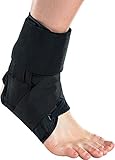
DonJoy is known for orthopedic-grade bracing, and the Stabilizing Speed Pro is a football-friendly model. It combines a supportive lace-up body with stabilizing straps, plus reinforced eyelets and materials that handle heavy use.
Why it helps: The multilayered design resists inversion/eversion and provides good rotational control for the ankle and lower leg complex. For athletes worried about high ankle sprains, that extra strap structure can help keep the ankle in a safer range during unpredictable contact.
Fit and cleat compatibility: It’s slim enough for most cleats, and the “speed” lacing eyelets make it quicker to put on and adjust. Interior is smooth to reduce rubbing under tight laces.
Best for: Players who want a durable, repeatable fit that they can tighten quickly on the sideline—special teamers, defensive backs, and dual-threat QBs.
Potential downsides: Like other lace-ups, it can stretch slightly with sweat and movement, requiring a mid-game retighten. Some players prefer a hinged feel over a pure lace-up.
Sizing and tips: Follow DonJoy’s size chart. Start your season with a couple of practice sessions to dial in lacing tension and break-in. Search on Amazon for “DonJoy Stabilizing Speed Pro Ankle Brace.”
5) McDavid 195 Ankle Brace with Straps
The McDavid 195 remains a go-to for athletes needing dependable support on a budget. It’s a lace-up brace with figure-6 or figure-8 style straps that lock the ankle down without being bulky.
Why it helps: The lace-and-strap combo resists ankle rolls and provides helpful rotational control. While it’s not a rigid brace, the strap geometry can reduce the movements that commonly stress the high ankle ligaments during football actions.
Fit and cleat compatibility: Low-profile and comfortable, it tends to fit true-to-cleat-size in most shoes. It’s an easy choice if you’re wearing tight receivers’ cleats or speed-oriented models.
Best for: Players who want reliable support at a friendly price—skill players, high school athletes, and anyone building a starter kit for the season.
Potential downsides: It offers a little less rotational resistance than hinged-cuff designs and can loosen if you don’t retighten. Durability is good, but not as heavy-duty as premium braces.
Sizing and tips: Use the manufacturer’s chart. Pre-lace before practice to speed up your routine. Retighten after warm-up and again at halftime. Search on Amazon for “McDavid 195 Ankle Brace with Straps.”
Which Brace Should You Choose?
If you’ve had repeated ankle injuries or specifically want more syndesmotic protection, a cuffed or hinged design like the Ultra Ankle Ultra Zoom or Zamst A2-DX can provide the extra rotational control you want. If you’re prioritizing slim fit and comfort in a tight cleat, a well-made lace-up like the ASO, DonJoy Stabilizing Speed Pro, or McDavid 195 is a smart, cost-effective choice. When in doubt, try a brace during practice first and confirm it doesn’t create hot spots or change your stride.
How to Fit an Ankle Brace Inside Football Cleats
Getting the fit right is half the battle. Even the best brace won’t protect well if it’s too loose, too tight, or fighting your cleat shape. Use the tips below to nail your setup.
Measure and follow the size chart
Don’t guess based on shoe size alone. Many brands size by ankle circumference. Measure around the narrowest part just above your ankle bones. If you’re between sizes, consider your cleat’s room and whether you wear thicker socks.
Wear a proper sock layer
A crew or mid-calf performance sock under the brace reduces friction. Avoid cotton that stays wet. If your cleat is roomy, some athletes add a thin over-sock after the brace to smooth transitions, but don’t overstuff the shoe.
Lace and strap in stages
Stand up when tightening your brace to simulate game pressure. Lace from the bottom, snug but not suffocating. Set straps evenly side to side. Finish by lacing your cleats while standing. Jog, cut, and then retighten once everything warms up.
Watch for pressure points
Common hot spots include the top of the foot, the outside ankle bone, and the heel counter. If you feel a pressure point, back off tension slightly and re-seat the brace. Persistent pressure may mean you need a different model or a half-size larger cleat.
Taping vs. Bracing for High Ankle Sprain Prevention

Athletic taping can be excellent when done by a skilled trainer, but tape stretches with sweat and movement. Braces are consistent, easy to re-tighten, and cost-effective across a season. Many players use both: a light pre-wrap and figure-8 tape jobs under a brace for big games, then brace-only for practice. If you don’t have daily taping support, a good brace is the simpler solution.
Training Your Way to Fewer Sprains
Bracing is just one piece. Your risk drops more when you pair a brace with targeted strengthening and movement work. Here’s a simple approach most players can add to warm-ups and off-days.
Mobilize what’s stiff
Limited ankle dorsiflexion can force the foot to collapse or twist under load. Work on calf stretches and ankle rocks before practice. Aim for smooth, controlled range, not bouncing.
Strengthen the lower leg and foot
Heel raises, tibialis raises, banded eversion/inversion, and short-foot drills build resilience. Two to three sets of 10–15 reps, three times per week, make a noticeable difference over a season.
Balance and proprioception
Single-leg stands, reaches, and hop-to-stick drills train your ankle to react quickly. Start stable, then add perturbations or eyes-closed work as you improve. Just 5–10 minutes in your warm-up helps.
Landing mechanics and deceleration
Practice soft landings and controlled stops. Knees tracking over mid-foot, hips loaded, and chest stable reduce ankle torque. Progress from submaximal cuts to game-speed changes of direction as you earn capacity.
Special Considerations by Position
Each position stresses the ankle differently. It helps to tailor your brace choice and setup to your role.
Linemen
Lots of torque in tight spaces and bodies falling across legs means rotational control is key. A cuffed design like Ultra Zoom or Zamst A2-DX offers excellent protection. You may prefer slightly roomier cleats to accommodate the brace.
Running backs and receivers
You need to cut fast and accelerate without feeling locked up. A well-fitted ASO, DonJoy Stabilizing Speed Pro, or Ultra Zoom balances agility with support. Keep the profile slim and check traction patterns that suit your style.
Defensive backs and linebackers
Backpedals, sudden breaks, and collisions demand reliable, all-around stability. The A2-DX or Ultra Zoom are great if you’ve had prior sprains; otherwise, ASO or McDavid 195 are excellent daily drivers with easy maintenance.
Quarterbacks
Mobile QBs benefit from a low-profile brace that doesn’t restrict foot feel. ASO and McDavid 195 are popular for their balance of support and touch. If you’ve had a high ankle sprain before, consider Ultra Zoom for a bit more rotational control.
Care and Maintenance for Your Brace
Well-cared-for braces last longer and stay comfortable. After muddy or wet sessions, wipe down the brace and air-dry it away from heat. Hand-wash straps and liners with mild soap as needed. Check stitching and Velcro regularly; a worn strap can compromise support. Replacing your brace each season—or earlier if it shows heavy wear—is a smart investment in your ankles.
Common Mistakes to Avoid
Don’t overtighten to the point of numbness. That can actually reduce your reaction time and cause cramping. Don’t assume both ankles need the same tension; tweak each side for symmetry, not identical tightness. And don’t ignore pain above the ankle joint—high ankle sprains often sit higher than you think. If pain persists or you can’t push off without discomfort, get checked.
Frequently Asked Questions
Can an ankle brace prevent all high ankle sprains?
No brace can guarantee injury prevention. A good brace reduces the risk by limiting harmful movements and improving your sense of stability. Combine it with strength, mobility, and smart workload management for the best protection.
Should I brace both ankles?
Many players brace both for symmetry and confidence, especially if they cut equally off both feet. If you have a history of sprains on one side, that side is a priority. Try both in practice and see how your balance, speed, and comfort feel.
Will a brace make me slower?
A bulky, rigid brace can feel heavy, but the models in this guide are chosen for football-friendly profiles. Most players adjust quickly and may even move better because they trust their ankles more. Test in practice to find your ideal tension.
What if my cleats feel too tight with a brace?
First, try adjusting your lacing strategy: loosen the forefoot slightly and focus tension at the midfoot. If that’s not enough, consider thinner socks or, as a last resort, a half-size larger cleat if you’ll brace all season. Avoid crushing the top of your foot—pressure points lead to blisters and numbness.
When should I see a medical professional?
If you have swelling above the ankle joint, pain with external rotation, trouble bearing weight, or pain that lasts beyond a few days, consult a sports medicine professional. Bracing is supportive, but diagnosis and guided rehab ensure you return safely.
Quick Buying Guide: Matching Your Needs to a Brace
If you want maximum rotational control and don’t mind a slightly larger profile, consider Zamst A2-DX. If you want strong support that still feels natural inside most cleats, the Ultra Ankle Ultra Zoom is a top pick. For a reliable, low-profile and budget-friendly option, ASO and McDavid 195 are excellent. If you want durable materials and quick lacing from a trusted orthopedic brand, DonJoy Stabilizing Speed Pro stands out.
How to Break In Your Brace
Start by wearing the brace around the house for 30–60 minutes to identify any hot spots. Next, use it in a non-contact practice for position drills and tempo runs. Retighten after warm-up. After two or three sessions, most braces feel natural. Always test in your game cleats, not just trainers, because volume and pressure change between shoes.
Final Checks Before Game Day
Revisit your lacing pattern and strap tension. Confirm you can sprint, cut, backpedal, and decelerate without pinching or looseness. Pack a small towel to dry your ankle if you change socks at halftime—moisture increases friction. Lastly, have athletic tape or spare laces in your bag for quick fixes.
Amazon Search Tips for Each Brace
You can find all these braces on Amazon.com. If you want to avoid sifting through similar listings, search with the exact model names. Try: “Ultra Ankle Ultra Zoom Ankle Brace,” “Zamst A2-DX Ankle Brace,” “ASO Ankle Stabilizer Med Spec,” “DonJoy Stabilizing Speed Pro Ankle Brace,” and “McDavid 195 Ankle Brace with Straps.” Add your size and “left/right” if applicable to filter faster.
A Note on Left vs. Right and Pairing
Some braces are universal; others are left/right specific. Double-check before buying. If you’re bracing both ankles, order a pair in the correct sides. Consistency helps with footwork and confidence—your stance, cuts, and landing mechanics often feel more symmetrical when both ankles have similar support.
Budgeting for a Season
If you’re on a tight budget, the McDavid 195 or ASO provide strong value. Consider buying two of the same model so you can alternate braces between practices and games as they dry out. If you can invest more and want maximal rotational support, the Ultra Zoom or Zamst A2-DX may be worth it, especially if you’ve had prior high ankle sprains or are returning mid-season.
Return-to-Play Reminders
Even with the best brace, returning too soon can set you back. A safe return usually includes full, pain-free range of motion, near-equal strength side-to-side, the ability to hop and cut without hesitation, and sport-specific drills at game speed. Use your brace during that ramp-up and keep it on for several weeks once you return, even when you’re feeling good.
Conclusion
High ankle sprains are frustrating because they sap your power and linger if you rush back. The right football ankle brace can’t guarantee prevention, but it can significantly reduce risky motion, increase your confidence under contact, and help you move more decisively. For robust rotational control with a natural feel inside cleats, the Ultra Ankle Ultra Zoom is a standout. If you want the most locked-in support, the Zamst A2-DX delivers. For slim, dependable, and budget-friendly stability, the ASO, DonJoy Stabilizing Speed Pro, and McDavid 195 are excellent picks that pair well with football cleats.
Whichever you choose, take time to size and fit the brace correctly, break it in during practice, and combine it with strength, mobility, and sound mechanics. That integrated approach is your best defense against high ankle sprains and your best bet for a faster, more confident season.