Baseball Q&A

Dive into the World of Baseball: Your Questions Answered!

Are you a seasoned baseball fan with a deep love for the game, or a newcomer eager to learn the ropes? Our Baseball Q&A category is your go-to destination for all things baseball. Whether you’re curious about the rules, interested in player statistics, or want to explore the rich history of this beloved sport, you’ve come to the right place.

How Much Money Do Baseball Umpires Make

Baseball umpires do more than shout safe or out; they steer the game and make split-second calls under pressure. Pay follows the ladder: MLB crews earn six-figure salaries with per diems and postseason bonuses, while minor leaguers get seasonal pay. College and high school umpires are paid per game, plus travel and gear costs.

How Much Do Mlb Referees Make 2026 Salary: Report

Curious how much MLB umpires earn under pressure? Umpire pay is salaried, not per-game. In 2026, base salaries likely range from $200k–$230k for early-career, $350k–$430k for veterans, and $450k–$550k for crew chiefs, with per diems, travel, and postseason bonuses boosting total compensation. Postseason work can push earnings into six figures.

Doug Harvey Revered Icon Major League Baseball Umpiring

Doug Harvey wasn’t flashy; he earned respect through consistency, calm, and precise calls. For decades he chaired the plate with quiet authority, teaching players and fans that fairness comes from preparation, not bravado. His nickname ‘God’ reflected trust built pitch by pitch—a standard for modern umpires in every game.

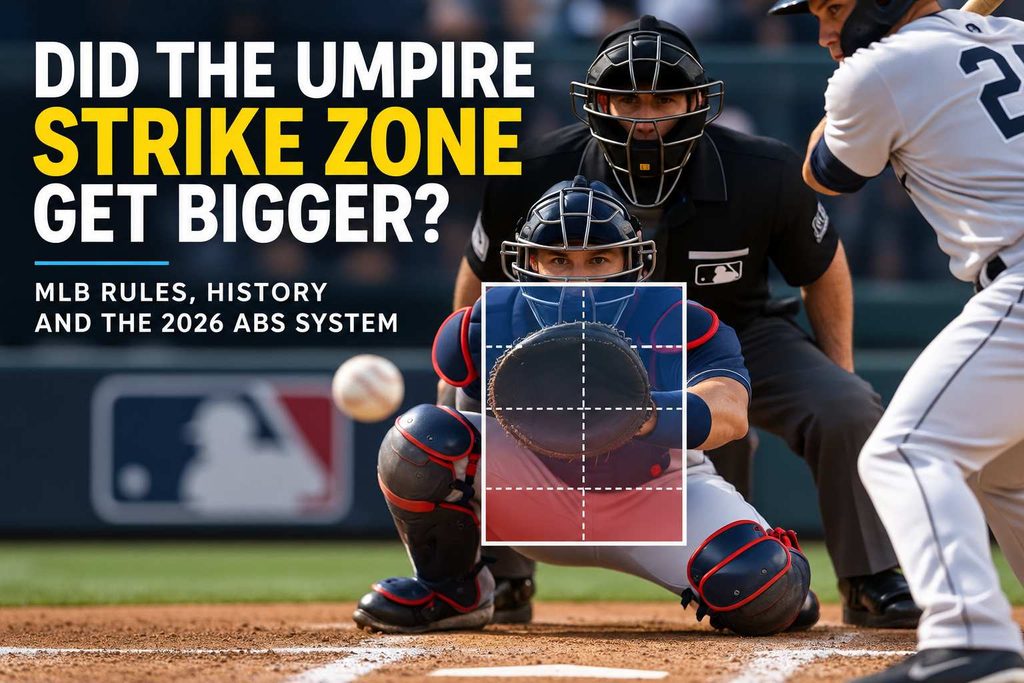
Did the Umpire Strike Zone Get Bigger

Did the umpire’s strike zone get bigger? Not permanently, but yes, briefly. From the late 2000s to mid-2010s, the called zone expanded downward—knees and below—before MLB nudged it back toward the rulebook. Now the zone is more stable, though minor year-to-year tweaks persist. Here’s how to watch smarter this season.

Breaking Barriers The Importance of Women Referees in Sports

Women referees are breaking barriers worldwide, bringing fairness, diversity, and growth to field, court, rink, and track. This piece explores why their presence matters, the challenges they face, and practical ways to support them—from early pathways to mentorship and safer, more visible careers. A stronger officiating culture benefits athletes, fans, and the sport.