
We are reader supported. When you purchase through links on our site, we may earn an affiliate commission. Also, as an Amazon affiliate, we earn from qualifying purchases.
Linemen take the most contact on every snap. Forearms bang helmets, facemasks, and shoulder pads repeatedly, and they scrape on turf and plastic all game long. The right forearm sleeves reduce bruising, cut down on turf burn, add grip for locking out rushers, and keep muscles warm for late-game strength. This guide breaks down what matters, how to pick the right pair, and the best protective football forearm sleeves for linemen in 2026. Every pick is field-tested for protection, durability, and fit, with clear notes on who each sleeve suits best.
What Forearm Sleeves Actually Do for Linemen
– Reduce forearm bruising and bone-on-bone pain during hand fighting and leverage battles
– Add abrasion resistance against turf and plastic shells to avoid skin scrapes
– Provide extra grip to control wrists, inside hands, and first contact
– Keep muscles warm for better punch speed and recovery between series
– Help keep tape and wrist wraps in place under pads
How to Choose the Right Forearm Sleeve
Fit and Compression
Linemen need a snug fit that does not slide but does not cut off circulation. Look for sleeves labeled with specific forearm circumference ranges. The sleeve should feel tight at the thickest part and stay put when you extend and flex your arm.
Padding Coverage and Type
For trench work, prioritize EVA or HEX-style padded panels placed on the outer forearm. You want a smooth, flexible pad that absorbs helmet knocks without feeling bulky. Full-length foam panels protect more but can run hot; segmented pads move better.
Grip vs. Protection
Grip coatings help with first contact and control, but strict padding placement matters more for linemen who clash every snap. If you want both, pick a sleeve with light EVA plus a tacky face fabric or silicone print.
Fabric and Breathability
Heat builds fast inside pads. Choose moisture-wicking compression fabrics with mesh zones or perforations near the elbow crease. Seam placement should avoid hot spots under bicep bands and elbow pads.
Durability and Stitching
Look for reinforced seams and double-needle stitching. Many budget sleeves pill or fray after a few washes. Quality knit and bonded overlays extend life when you drag on turf.
Rule Compliance and Team Looks
Check league color and logo limits. Most high school and college rules allow padded sleeves as long as they are safe and non-abrasive. Tacky grip coatings are typically allowed, but avoid foreign substances.
Simple Sizing Guide
Measure your dominant forearm at the largest point while flexed. Add 0.25 to 0.5 inches if you prefer less compression or plan to wear over wrist wraps. If between sizes, linemen usually prefer the tighter option for no-slip security.
The Best Protective Football Forearm Sleeves for Linemen
adidas Padded Receivers Football Forearm Sleeves
This sleeve pairs light EVA padding with a durable compression shell that stays put through repeated contact. The padding is low-profile, so it will not snag on jersey sleeves or feel bulky during inside hand placement. Breathability is solid for its protection level, and the fabric wicks sweat well in hot practices or two-a-days.
Why it helps: The EVA panel smooths out helmet and facemask contact along the ulna and helps prevent deep bone bruises. The fabric grips just enough to keep leverage in close quarters, without the overly sticky feel that can attract debris.
Best for: Guards and tackles who want real impact dampening without sacrificing mobility or adding bulk under elbow pads.
Potential downsides: Not the stickiest surface if you prioritize maximum grip; heavy hitters may want more coverage length if they bruise near the elbow crease.
Sizing notes: Choose the tighter fit if between sizes; the compression relaxes slightly after a few practices.
Care tip: Air dry to protect the padding bond and avoid heat damage that weakens the shell.
McDavid HEX Forearm Sleeves

McDavid’s HEX pattern is a staple for contact sports. The honeycomb pad flexes with your forearm while spreading impact. The sleeve delivers balanced compression and a smooth outer face that slides inside jersey sleeves. It is a smart middle ground for linemen who want reliable, repeatable protection that will not feel stiff in cold weather.
Why it helps: HEX cells dissipate point-of-contact forces from facemasks and helmet edges, reducing localized pain and post-game swelling. The compression supports microcirculation and keeps the sleeve anchored during punch and reset.
Best for: Centers and guards dealing with constant hand battling and quick resets; players who want proven pad tech with excellent mobility.
Potential downsides: The face fabric is not tacky; if you need enhanced grip, consider pairing with light rosin-free gloves or a grip-forward sleeve model on the outside arm.
Sizing notes: True to size for most athletes. If you wrap thick wrist tape, measure over it to avoid constriction.
Care tip: Wash cold in a garment bag; the HEX cells last longer when you avoid high-heat drying.
Under Armour Gameday Armour Forearm Shivers
Under Armour’s Gameday Armour forearm shivers blend HeatGear compression with targeted padding zones that do not ride up. The fabric feels cool against the skin and manages sweat efficiently, which matters when you are locked into long drives. The coverage is optimized for the outer forearm, where most linemen take punishment.
Why it helps: Low-bulk padding smooths out the sharp shots from helmets and forearm-to-forearm collisions. UA’s knit stretches easily, so it will not choke your movement when you strike, lock out, or replace hands.
Best for: Tackles who value heat management and prefer a sleeker look that still absorbs contact.
Potential downsides: Grip is moderate. If you want a sticky face fabric, you will find better options below. Padding is lighter than heavy-duty EVA slabs.
Sizing notes: UA runs slightly compressive. If you hover between sizes and plan to layer over long sleeves, size up.
Care tip: Lay flat to dry to preserve elasticity and maintain the snug forearm feel.
Nike Pro Dri-FIT Forearm Shivers 2.0
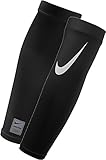
Nike’s Pro Dri-FIT shivers emphasize comfort, moisture control, and abrasion resistance with a minimalist profile. While they are not the most padded option here, the dense knit does a good job against turf and shell scrapes, and the compression keeps arms warm late in games. If you want a clean, streamlined sleeve that does not distract, this is it.
Why it helps: Smooth, durable fabric prevents skin tears and hot spots when your forearms slide against plastic and turf. Dri-FIT keeps sweat from pooling under elbow pads and maintains responsiveness during long series.
Best for: Linemen who do not bruise easily or who wear larger elbow pads and only need light forearm protection. Great for practice rotation to reduce wear on your padded pair.
Potential downsides: Minimal padding relative to others on this list. If you take hard shots to the outer forearm, pick a padded model.
Sizing notes: Runs true. Aim for a firm seal near the wrist to avoid creeping.
Care tip: These handle frequent washing well; rotate pairs to extend life through a full season.
Battle Ultra-Stick Forearm Sleeve
Battle builds this with a tacky exterior designed to enhance grip on first contact. For many linemen, that extra stick helps establish control inside the frame, especially against quick-handed rushers. The sleeve offers light padding alongside the grip surface, and the knit holds up well to weekly use.
Why it helps: The sticky face gives you confidence in punch and lock-out sequences. It aids wrist control when you re-fit hands and keeps your initial strike from sliding off the target.
Best for: Tackles facing speed rushers who win with hands, or guards who need assurance on quick sets against penetrating 3-techs.
Potential downsides: Stickiness attracts rubber pellets and turf fibers; wipe sleeves between series. Padding is on the lighter side.
Sizing notes: Slightly stretchy; if you are between sizes and want maximum grip contact with no movement, choose the smaller size.
Care tip: Clean the surface with a damp cloth post-game to maintain grip and avoid buildup.
Cutters Rev Pro Forearm Shiver
Cutters is known for C-TACK grip, and this forearm shiver brings that same philosophy to sleeves. The outer surface is tacky without feeling gummy, and the compression is consistent from wrist to elbow. It is a logical pick for players who already trust Cutters gloves and want matching feel on forearms.
Why it helps: C-TACK improves contact security, especially when you strike and re-grip. The fabric resists pilling better than many budget sleeves, which keeps the sleeve sliding predictably under jersey sleeves.
Best for: Linemen who want grip-forward sleeves to complement firm hand placement and inside control.
Potential downsides: Light protection; heavier hitters may want a padded sleeve for games and use this for walkthroughs or practice.
Sizing notes: True to size; do not oversize or you will lose the benefit of continuous contact with the tacky surface.
Care tip: Hand clean the tack areas to extend stick performance across the season.
Phenom Elite Vapor-Stick Forearm Shivers
Phenom Elite’s Vapor-Stick sleeves combine a sticky face fabric with a soft compression shell. They feel lightweight but give you confidence on initial contact and re-fit hand drills. The branding is bold, and the performance is consistent across varied weather.
Why it helps: The surface helps prevent glancing blows on punch, so your hands land, hold, and reset faster. The sleeve also limits turf rash in pileups and when you post on the ground.
Best for: Linemen who want a modern grip sleeve with a clean fit for game day and high-rep practice work.
Potential downsides: Less padding than EVA or HEX-focused models; better as a grip enhancer than a bruising shield.
Sizing notes: Slightly longer profile; good for taller athletes or those who want coverage up to the lower bicep.
Care tip: Rinse surface after turf sessions to remove rubber crumb that dulls stick.
EliteTek Forearm Grip Sleeves
EliteTek delivers strong value, with a grippy outer and reliable compression at a lower price point. They are a smart pick for practice rotation, for JV and freshman squads building habits, or as a backup set for poor weather games.
Why it helps: Grip texture supports steady hand placement, even when sweat and moisture build up. The knit guards against turf abrasion and keeps warm blood moving along the forearm.
Best for: Budget-minded linemen and teams buying multiple sets for weekly practice and scrimmage use.
Potential downsides: Durability lags behind premium sleeves if you grind on turf daily. Compression may loosen a bit after repeated washes.
Sizing notes: If your forearm is at the top of the size range, go up one size to avoid overstretching seams.
Care tip: Cold wash, no fabric softener. Rotate pairs to keep compression consistent.
Buyer’s Notes for Linemen
Protection Setup That Works
– Pair a padded sleeve on your dominant strike arm with a grip-forward sleeve on the other if you want both impact control and contact security.
– If you bruise high near the elbow, choose a longer sleeve or run a dedicated elbow pad over the top to bridge the gap.
Fit Tricks to Prevent Slippage
– Dry your arms thoroughly before putting sleeves on. Moisture during donning leads to creep during drives.
– Seat the wrist end low first, then roll the sleeve up in small sections to avoid twisting the pad panel.
– If needed, a thin layer of pre-wrap under the sleeve improves anchoring without bulk.
Grip Without Gimmicks
– Modern sleeves use legal tacky fabrics. Avoid foreign substances that violate rules or transfer to the ball.
– Wipe tack sleeves between series with a damp towel to keep debris from dulling the surface.
When to Use Heavier Padding
– If you routinely feel bone-on-bone impact pain or have a history of forearm contusions, choose EVA or HEX padding with full outer-forearm coverage.
– Lighter grip sleeves are great for speed and feel, but bruisers benefit from structured padding every game.
Sizing and Measurement Tips
Quick Steps
– Flex your forearm and measure the largest circumference using a soft tape.
– Compare to the brand’s chart. If you are between sizes, decide whether you prioritize no-slip tightness or easier donning over wrist tape.
– For thick wrist wraps, measure with the wrap on to ensure seamless layering.
Common Fit Issues
– Sleeve slides: Often caused by sizing up. Consider a tighter size or pre-wrap anchor.
– Pinching at elbow: Sleeve is too short or pad panel is misaligned; try a longer profile or rotate the pad slightly outward.
– Overstretching seams: Signs you need the next size up, especially if you see ladders or popping threads near the wrist.
Care, Cleaning, and Longevity
Keep Compression Alive
– Wash cold with mild detergent, inside-out, and air dry. Heat kills elasticity fast.
– Skip fabric softeners; they break down fibers and reduce grip on tack sleeves.
Protect the Padding
– Do not wring pads. Press water out gently in a towel after washing.
– Store flat or rolled, not folded across the pad, to avoid creases or delamination.
Grip Sleeve Maintenance
– Wipe surfaces post-practice with a damp cloth. Periodically use a mild soap solution to remove sweat film.
– Let sleeves fully dry before bagging to prevent odor and bacteria growth.
Frequently Asked Questions
Do linemen actually need padded sleeves?
If you take frequent helmet shots to the forearm or end games with deep soreness along the ulna, padded sleeves help. They reduce acute pain, preserve punch confidence, and keep you effective through four quarters.
Will sleeves make my arms too hot?
Quality compression fabrics breathe well. If heat is a concern, choose sleeves with mesh zones and avoid full-coverage foam. Air-dry overnight to start fresh each practice.
Are grip sleeves legal?
Most tack fabrics used in reputable football sleeves are legal. They should not transfer residue or involve foreign substances. Always follow your league and referee guidance.
Should I wear sleeves in practice or save them for games?
Rotate. Use a durable pair for practice to build habits and save your premium padded set for games. This extends the life of your best gear.
Can I wear sleeves over wrist tape?
Yes. Measure with tape on to size correctly. A snug fit over tape keeps everything in place and prevents jersey snagging.
Final Picks and How to Decide Fast
If you want balanced protection with mobility, the adidas Padded Receivers Football Forearm Sleeves and McDavid HEX Forearm Sleeves are the safest plays for most linemen. If you are chasing more grip for inside control, Battle Ultra-Stick or Cutters Rev Pro Forearm Shiver deliver a confident first touch. For a cool-running, minimalist option that fights abrasion, Nike Pro Dri-FIT Forearm Shivers 2.0 is dependable. Under Armour’s Gameday Armour Forearm Shivers split the difference with light padding and strong moisture control, while Phenom Elite and EliteTek give grip-first performance at different price points.
Choose based on how you win blocks. If you catch too many shots to the outer forearm, pick padding first. If you miss initial contact and slide off targets, pick grip first. Get the size snug, maintain your sleeves, and they will return the favor in your toughest games.