

We are reader supported. When you purchase through links on our site, we may earn an affiliate commission. Also, as an Amazon affiliate, we earn from qualifying purchases.
Defensive backs win with speed, angles, and split-second reactions. Your cleats have to feel invisible when you fly to the ball, but stable when you plant, flip your hips, and drive downhill. If you are shopping for new cleats in 2026 and want a simple guide made for DBs, you are in the right place. Below you will find the six best football cleats on Amazon for defensive backs who need fast feet, sharp cuts, and locked-in confidence—plus a clear buying guide to help you pick your perfect fit even if you are new to the game.
What Defensive Backs Need From Cleats
Explosive traction for plant-and-go moves
Defensive backs live in the first two steps. Whether you are backpedaling and driving on a comeback or opening your hips and chasing a fade, you need studs that grab instantly and release cleanly. The best DB cleats use mixed stud shapes and wide stud spacing so you can break down without slipping, then burst without feeling stuck in the turf.
Lightweight build without a flimsy feel
Heavy cleats can cost you a step. But shoes that are too thin can fold during intense cuts or when you collide at full speed. Look for weight savings in the upper (mesh, knit, or tightly woven synthetic) with a strong internal cage or overlays. The outsole plate should be firm enough to return energy but not so stiff that it feels like running in a track spike on a football field.
Secure lockdown from heel to forefoot
Sloppy fit equals wasted energy and higher risk of blisters or rolled ankles. You want a snug heel, a midfoot that hugs without pinching, and a toe box that lets your toes relax. Modern lacing systems and internal straps help you feel glued to the plate for faster cuts and more confident changes of direction.
Right collar height for your style
Most DBs go with low-cut or modern mid-cut designs for ankle mobility and speed. Low-cut cleats are the lightest and most natural-feeling. Mid-cut models add some structure without feeling bulky. High-cut cleats provide more support but can feel restrictive for elite direction changes. If you have a history of ankle tweaks, a secure mid-cut plus good taping might be a smart middle ground.
Stud type that matches your fields
Most high school and college DBs use molded studs (TPU or rubber) because they are versatile and allowed on both grass and turf. If you play mostly on artificial turf, a molded outsole with slightly shorter studs and broad traction is ideal. On thick natural grass, longer, more aggressive molded studs help your breaks bite into the ground.
How We Chose These Cleats
DB-specific movement in mind
We focused on models that excel in quick acceleration, sudden deceleration, and multi-directional traction. All picks here keep weight low, ride stable, and deliver reliable grip at football angles (not just straight-line sprinting).
Comfort and durability for full seasons
A cleat can be fast but still fail if it tears or gives you hot spots after two practices. We prioritized comfort features like padded heels, breathable uppers, and smooth interiors, as well as materials and build quality that hold up across long seasons and mixed weather.
Availability on Amazon
Every recommended model can be found on Amazon.com. Product availability and sizing can vary by colorway and region, but each selection has active listings and multiple size options at the time of writing.
The 6 Best Football Cleats for Defensive Backs in 2026
1) Nike Vapor Edge Pro 360 2
The Nike Vapor Edge Pro 360 2 is a staple speed cleat for skill players, and it hits the sweet spot for DBs: light, nimble, and secure. The plate uses wide stud spacing for excellent grip on hard cuts, while the upper blends breathable mesh with targeted support for a snug, locked-in feel. You get that “barely there” sensation without losing stability when you plant and explode.
Why it stands out for DBs: it feels quick underfoot, with a smooth transition from backpedal to forward drive. The toe-off is crisp, and the forefoot flexibility makes it easy to stay low in your breaks.
Best for: speed corners and safeties on firm natural grass or modern turf. If you rely on top-end acceleration and twitchy cuts, this model is a confident choice.
Sizing tips: Nike cleats can run a bit narrow. If you have wider feet, consider going up half a size or trying a different Nike last. Keep your heel locked; if you feel any slip, re-lace tighter at the top eyelets.
2) Nike Vapor Edge Elite 360 Flyknit
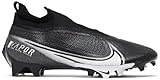
If you want a premium fit and feel, the Vapor Edge Elite 360 Flyknit adds a flexible knit upper that molds to your foot while staying strong during cuts. It pairs the speedy Vapor plate with a soft, sock-like wrap that reduces pressure points. The result is a cleat that feels custom once you break it in, yet remains fast and precise under stress.
Why it stands out for DBs: knit comfort with true performance. It is light and breathable, and the refined lockdown helps you trust your feet when you turn and open or click-and-close on slants and outs.
Best for: experienced DBs who want a top-tier blend of comfort, responsiveness, and precision. Ideal for turf and firm grass. If you have no problem investing a bit more to get a dialed-in fit, this one delivers.
Sizing tips: true to size for most. If you prefer a super snug performance fit, stick with your normal Nike size. If you need a little room in the forefoot, try half a size up.
3) Nike Vapor Edge Speed 360 2
The Vapor Edge Speed 360 2 gives you the fast Nike feel at a friendlier price than the Elite. It is lightweight, streamlined, and built for acceleration. The plate and stud setup support sharp plants and track-like turnover, and the upper balances breathability with enough structure to keep you centered over the plate.
Why it stands out for DBs: it does not overcomplicate things. You get the core of what makes the Vapor line so popular—quickness, traction, and a race-day feel—without extra bulk.
Best for: corners and safeties who want to maximize speed and value. A great pick for summer 7-on-7, practices, and games on mixed surfaces.
Sizing tips: similar to other Vapor models, expect a slightly narrow fit. If you are between sizes or have a wider foot, consider half a size up. Break them in gradually to avoid hot spots.
4) adidas Adizero 12.0
The adidas Adizero line is all about speed, and the Adizero 12.0 is a favorite for quick-twitch positions. It uses a light, tough upper and a responsive plate that feels snappy when you accelerate. The traction pattern favors quick cuts and controlled stops, helping DBs keep their feet under them when reacting to routes.
Why it stands out for DBs: a fast, firm ride with efficient energy transfer. You feel connected to the ground, which is what you want when reading hips and route stems.
Best for: corners who value smooth transitions and safeties who chase sideline to sideline. It is a dependable option for both turf and natural grass, especially when fields are firm.
Sizing tips: adidas runs more regular in width compared to some Nike speed cleats. Many players go true to size. If you like extra toe room, half a size up can work without sacrificing lockdown.
5) Under Armour Blur Smoke 2.0 MC

Under Armour’s Blur Smoke 2.0 MC is a legit speed cleat with a clean, minimal upper and a plate tuned for acceleration and multi-angle traction. It is light on foot, grips hard on lateral moves, and gives enough underfoot structure to stay stable in aggressive breaks.
Why it stands out for DBs: simple, fast, and secure. The fit is athletic and supportive, and the traction is reliable when you need to slam on the brakes or flip and run.
Best for: DBs who want a no-nonsense speed cleat that works across practice and game day. Good choice for turf and firm grass fields.
Sizing tips: generally true to size. If you are wide-footed, you might prefer UA over narrower Nike options, but try your usual size first.
6) Under Armour Spotlight Franchise RM 2.0 (Best Budget and Turf-Friendly)
If you are building your kit on a budget or play mostly on turf, the Spotlight Franchise RM 2.0 is a smart pick. The rubber-molded (RM) studs spread pressure well, ride comfortably on artificial surfaces, and still hold their own on natural grass. It is heavier than pure speed models, but it offers cushioning and durability that beginners and multi-sport athletes appreciate.
Why it stands out for DBs: dependable grip that is gentle on turf, comfortable step-in feel, and wallet-friendly pricing. It is also a reliable backup pair for wet fields or rough practice conditions.
Best for: developing DBs, turf-heavy schedules, and players who want comfort-first cleats that still move well.
Sizing tips: usually true to size. If you want a snug, performance feel, do not oversize. Wear performance socks and re-lace before every practice for consistent lockdown.
Quick Picks by Player Type
If you are a speed-first corner
Go for Nike Vapor Edge Pro 360 2 or Vapor Edge Elite 360 Flyknit. They feel swift and precise without extra weight. The Elite adds knit comfort if you want a premium fit.
If you are a physical safety
Try adidas Adizero 12.0 or Under Armour Blur Smoke 2.0 MC. Both give stable cuts with enough structure to handle contact while staying fast.
If you play mainly on turf or want a budget pair
Under Armour Spotlight Franchise RM 2.0 is the best value and turf-friendly option. It is comfortable, durable, and easy to wear for long sessions.
How to Choose the Right DB Cleats
Fit comes first
The right cleats should feel snug around your heel and midfoot with just a thumb’s width of room in the toes. If you can pull your heel up inside the shoe when unlaced, it is too big. If your toes are jammed or you feel pressure over your pinky toe, it is too small or too narrow. A secure fit makes you faster because your foot and the plate move as one.
Know your field
If you play most games on turf, stick with molded studs and a plate with broad contact points. If your league uses natural grass and it gets thick or soft, look for deeper, more aggressive studs. When in doubt, molded TPU studs are the most versatile.
Balance stiffness and flex
A good DB cleat has a responsive plate that snaps you forward but enough forefoot flex to let you sink and redirect. If a shoe feels like a plank, you may struggle to settle into your break. If it feels too floppy, you may lose power transferring force to the ground.
Consider collar height
Low-cut equals maximum mobility and lightness. Mid-cut adds containment and can feel a touch more secure in traffic. Most DBs prefer low or modern mid because it keeps ankles free to move while offering solid lockdown.
Weight matters, but lockdown matters more
A few grams of weight do not decide a play, but loose fit can. Choose a shoe that disappears on your foot without moving around inside. A light, locked-in fit beats an ultra-light, sloppy fit every time.
Break-In and Care Tips
Break them in gradually
Wear your new cleats around the house with clean socks for 20–30 minutes at a time, then during warm-ups or walkthroughs before full-speed practice. This helps the upper mold to your foot and reduces hot spots and blisters.
Lace them the same way every time
Consistency matters. Start snug in the midfoot and finish firm at the top eyelets. If your pair has extra eyelets near the collar, use a runner’s lock (heel lock) to eliminate heel lift during sharp stops and backpedals.
Dry them right
After wet sessions, remove the insoles and stuff the shoes with newspaper or paper towels. Let them air-dry at room temperature. Avoid direct heat, which can warp plates and weaken glues.
Clean studs for best traction
Knock off mud and turf pellets after every use. Packed studs slip more, and it is easy to forget until your first break in the next practice. A quick brush or cloth keeps traction consistent.
Sizing Advice for Common Foot Types
Narrow feet
Nike Vapor models often fit narrow feet very well. Stay true to size for a race-ready feel. If you feel pressure at the widest part of your foot, re-lace to relieve the midfoot first before changing size.
Wide feet
Consider adidas Adizero 12.0 or Under Armour Blur Smoke 2.0 MC. If you prefer Nike, try half a size up in the Vapor Edge series and focus on getting a secure heel with a little extra toe room.
High arches or sensitive insteps
Look for uppers with flexible materials (knit or softer mesh) and avoid over-tensioning the laces at the top eyelets. The Vapor Edge Elite 360 Flyknit is a comfortable choice for many high-arch athletes.
Turf vs. Grass: What Changes for DBs

On artificial turf
You will want slightly less aggressive stud depth and a stable platform that spreads pressure. Shoes like the Nike Vapor Edge line and UA Spotlight RM models perform well on turf because the studs are shorter and the plates are stable. Rubber molded studs can feel smoother underfoot for long turf sessions.
On firm natural grass
Molded TPU studs with moderate depth are ideal. The wider stud spacing on the Nike Vapor Edge plate helps keep traction consistent on dense grass.
On soft or wet grass
You will need more bite from the studs, plus excellent heel lockdown to prevent slipping. Consider cleats with more aggressive stud shapes and patterns. Always clean your studs before each drive and after games to keep traction repeatable.
Common Mistakes DBs Make When Buying Cleats
Going too big for comfort
Loose shoes slow your cuts and cause blisters. If you need more comfort, choose a better upper material (like knit) rather than sizing up too much.
Ignoring field conditions
Buying a single pair that is perfect for one surface but not for your actual schedule can hurt your performance. Know your fields and pick traction accordingly.
Skipping the break-in
Throwing on brand-new cleats for a game is a quick way to get blisters or a sore midfoot. Give yourself at least a few practices to mold the fit.
FAQ
Are low-cut cleats safe for DBs?
Yes, most DBs prefer low or modern mid-cut for the best mobility. Combine with proper taping or braces if you have a history of ankle sprains. The key is lockdown and technique, not just collar height.
How long should a pair last?
With regular use, many cleats last a season, sometimes more if you rotate pairs and keep them clean and dry. Turf can wear studs faster than grass. Pay attention to plate integrity and upper tears.
Can I use track spikes for football drills?
No. Track spikes are not designed for multi-directional football moves. You need football-specific plates and traction patterns to cut, stop, and react safely.
What socks should I wear?
Use performance socks with moisture control and light cushioning. If you are between sizes, your sock thickness can fine-tune the fit. Always test your game socks with your cleats during practice.
Final Thoughts: Pick the Pair That Matches Your Game
Start with your movement style
If your superpower is speed and mirror-quick hips, the Nike Vapor Edge Pro 360 2 and Vapor Edge Elite 360 Flyknit are hard to beat. If you want a stable, fast platform with a bit more structure, adidas Adizero 12.0 and UA Blur Smoke 2.0 MC are excellent. For turf-heavy schedules or tight budgets, the UA Spotlight Franchise RM 2.0 gives you comfort and dependable traction without draining your wallet.
Lockdown, traction, confidence
Your cleats should disappear on your foot and help you trust your breaks. Keep your heel planted, keep your studs clean, and keep your laces even from midfoot to collar. When the ball is snapped, the last thing you should think about is your shoes.