
We are reader supported. When you purchase through links on our site, we may earn an affiliate commission. Also, as an Amazon affiliate, we earn from qualifying purchases.
Tempers flare in sports because the stakes are real. A game moves fast, pride gets tested, and a single shove can turn a tense moment into a full-team confrontation. When players from both sides spill out from the dugout or bench to join an on-field altercation, you see a bench-clearing brawl. It looks chaotic. It also follows patterns, triggers, and rules that shape what happens next. This guide breaks it down step by step so you know what you are seeing, why it happens, and what it costs.
Introduction
A bench-clearing brawl is not just a fight. It is a chain reaction powered by pressure, rivalry, and risk. Some athletes rush in to defend a teammate. Others try to pull teammates away. Officials move to separate groups. Coaches call for calm. Security prepares for crowd issues. The league office later reviews every angle and issues discipline. Understanding each layer helps you watch with clarity and context rather than shock.
We will cover what a bench-clearing brawl is, where you see it most, why it starts, how it unfolds, what the rules say, and how teams try to prevent it. We will focus on simple language and clear takeaways so anyone new to sports can follow along.
What is a bench-clearing brawl
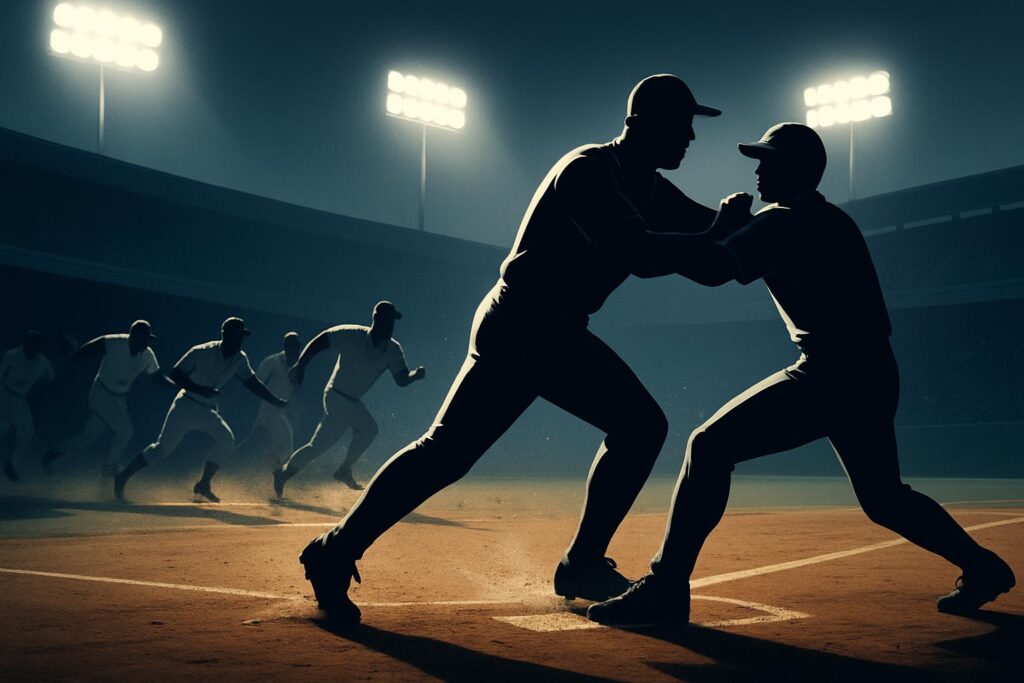
A bench-clearing brawl is an on-field confrontation that pulls most or all players from both teams off the bench or out of the dugout. It often starts with two players clashing. Teammates run in. Coaches and staff follow. The field fills with bodies. Sometimes it ends as a tense scrum with shoving and loud words. Other times it escalates into punches and pileups. Either way, it is a major disruption that stops play and triggers discipline.
Baseball is where you hear this term most. Hockey has seen large-scale altercations too, though strict penalties have reduced true bench-clearing scenes. Basketball has strong rules that punish players who leave the bench area during a fight, so full bench-clearing incidents are less common there today. Football, soccer, and other sports can see mass confrontations, but the structure of those sports and the spacing of players make them different in form and frequency.
Why tempers flare
Pressure builds in sports. A close score, a big rivalry, or a dangerous play raises emotions. Athletes protect teammates, defend turf, and react to perceived disrespect. Once someone crosses a line, even a small one, the reaction can spread fast. You need to know the common triggers to see it coming.
Common triggers in baseball
Hit by pitch near the head or ribs. Batters view fastballs up and in as a safety threat. If a pitcher is suspected of throwing intentionally, tempers jump fast.
Hard slides at second base or home plate. A runner who goes in high or late can injure a fielder. If the fielder thinks the slide was dirty, expect shouting and quick escalation.
Chirping from the dugout. Taunts or insults from benches can be the spark, especially after a close call or a showy celebration.
Retaliation cycles. One team believes its player was targeted. The next inning, a pitch runs inside. If warnings had been issued, even one more close pitch can trigger ejections and a rush from both dugouts.
Catcher and batter disputes. Framing tactics, bumps, and quick reactions at the plate can turn personal. If a catcher stands up and confronts a batter, others join in fast.
Perceived disrespect. A slow trot, a bat flip, or a stare-down can be misread. In a heated rivalry, small gestures become big problems.
Common triggers in hockey
Late hits on star players. Targeting a top scorer draws an immediate response from teammates.
Contact with the goalie. Goaltenders are protected. A bump or slash on the crease can bring both defensive pairs and nearby forwards into a scrum.
High sticks and cross-checks. Dangerous sticks spark confrontations. If multiple players grab and throw punches at once, a line brawl can begin. Severe penalties for leaving the bench have reduced the old-style full-team melees, but mass altercations can still break out among the players already on the ice.
Basketball and other sports
In basketball, hard fouls, face-to-face taunts, and shoves can start a fight. Strict penalties for leaving the bench area limit bench-clearing incidents, so you often see a fast circle of on-court players with coaches and officials separating them before benches flood the floor.
In football and soccer, group tensions often start from late hits, dangerous tackles, or confrontations with goalkeepers or quarterbacks. Because players already share the field, what looks like a bench-clearing scene is usually a rapid group scrum among active players, with substitutes and staff sometimes entering late if the confrontation grows.
How a bench-clearing brawl unfolds
It might look random, but most brawls follow a pattern. Learn the phases and you will recognize the moment a game crosses the line from tense to volatile.
The spark
One moment starts it. A pitch up and in. A slide through the bag. A shove after a whistle. Two players lock eyes. Hands rise. Shouts begin. The spark lasts seconds but sets the tone and location of the confrontation.
First responders
Nearby teammates arrive to pull back or back up. A catcher grabs a batter. An infielder steps between a runner and a fielder. In hockey, wingers and defensemen close ranks around the initial pair. The first responders can calm the scene or overcrowd it. If one player swings or breaks loose, the chance of de-escalation drops.
Benches clear
Now you see the term in action. Players rush from dugouts or benches across the foul line or onto the ice. Coaches follow with arms out, yelling for calm. Some sprint to protect star teammates. Others head for known rivals. This is the point where many sports mandate automatic ejections or suspensions for leaving the bench area, even if a player does not throw a punch.
The scrum
This is the mass of bodies that fills the camera frame. Most are grabbing jerseys and holding teammates back. Pockets form. Two or three players scuffle on one side while a coach and a veteran pull them away. On the edge, support staff try to redirect traffic. Officials move in waves to isolate the hottest spots.
De-escalation
Umpires, referees, and linesmen look for leaders. Captains and veterans step in. Physical separation starts at the center and pushes outward. Security monitors fans and the stands. Coaches call players back to the bench or dugout. Penalties and warnings get announced. Any secondary flare-ups from the fringes are watched closely.
Aftermath on the field
Once separated, officials identify ejected players and staff. Announcements go out. Managers or head coaches absorb the hit to the lineup. Play resumes with a heavy warning, tighter officiating, and a different emotional tone. Teams often shift to safer tactics, but stares and words can linger. A second flash can still happen if provoked.
Rules and penalties by sport
Leagues do not want bench-clearing brawls. They risk injury, delay games, and create bad optics. Rules target both the act of fighting and the act of leaving the bench to join a fight. The exact language differs by league, but the themes are consistent.
Baseball
Fighting leads to immediate ejections. If a pitcher is judged to have thrown intentionally at a hitter, ejections can follow even without contact. After a warning to both teams, any subsequent pitch near a batter can trigger removal. Leaving the dugout or bullpen to join a fight is grounds for ejection. The league office later reviews video and issues suspensions and fines. Managers can be disciplined for their role in escalating or failing to control their team.
Because pitchers only play every few days, a suspension can be served over a different schedule than a position player. Teams sometimes plan rotations with that risk in mind. Still, losing a key player for any stretch can change a series.
Hockey
Hockey allows fighting under strict penalties, but it draws majors, misconducts, and potential suspensions. Leaving the bench to engage in an altercation is a serious offense that brings automatic discipline and team penalties. Coaches can be held responsible for players who leave the bench. The league office can add suspensions after review, especially for dangerous actions like head strikes, stick use, or attacks on non-fighting players.
Basketball
In basketball, leaving the bench area during an on-court altercation results in automatic discipline. Players who escalate confrontations face ejections, suspensions, and fines. Coaches and staff who cross the line to join a fight also face penalties. These rules exist to stop the floor from filling and to protect fans near the court.
College and high school policies
Amateur levels use strict rules to maintain safety. Fighting draws ejections and multi-game suspensions. Leaving the bench to join an altercation is often an automatic ejection and further discipline. Teams can face forfeits or coach suspensions after repeated incidents. The message is clear. Stay in the bench area, let officials handle it, and respect safety first.
Strategy versus emotion
Not every brawl is pure rage. Some actions are calculated. A team might stand up quickly to show unity or to deter future targeting of a star. A pitcher might throw inside to claim the plate, and a batter might refuse to back down. Yet the cost is real. Ejections weaken a lineup, drain a bullpen, or take top scorers off the ice. Suspensions can tilt a series. A player with a prior flag can face longer bans after review.
Good teams play the long game. They protect teammates, but they also protect wins. Composure wins over the season. Leaders set a tone from spring or camp. They outline when to walk away and when to let the league handle it. They also make clear that reckless aggression hurts everyone.
Health and safety risks
Brawls cause real injuries. Punches land on faces and hands. Players fall on hard surfaces. Ankles twist in piles. Staff and officials can get caught in the middle. Scrums near walls, boards, or dugout rails add impact risks. Those costs extend beyond the day. Concussions and hand fractures can derail a season.
Medical staff plan for these events. Athletic trainers position near the action. Security protects exits and entry points. Officials try to move bodies toward open space to reduce crush risk. These are not just scuffles. They are complex safety events in a crowded environment.
The role of officials and coaches
Officials try to prevent brawls before they start. In baseball, an early warning can reset boundaries after a close pitch. In hockey, calling penalties on borderline hits can cool a line. In basketball, quick technicals for taunts can stop a pile-on.
Coaches teach boundaries and assign leaders. They pull hot-headed players early if needed. They send calm veterans to defuse tense matchups. During a flashpoint, coaches and captains sprint to pull their own players away. Afterward, they review film, accept penalties, and set new lines for the next game. Clear standards from the top reduce repeat incidents.
How teams try to prevent brawls
Teams accept that emotions run high. They also build guardrails.
Pre-game messaging. Remind players of league rules, lineup needs, and consequences. Make it clear that leaving the bench area is a line they do not cross.
Veteran presence. Trusted leaders stay close to likely flashpoints. They speak early, step between, and set an example by walking teammates away.
Communication with officials. Captains and coaches talk to umpires or referees about brewing issues. They ask for warnings or extra eyes on known matchups.
Technical adjustments. In baseball, a catcher might call for more off-speed inside rather than a fastball near the head. In hockey, a coach might rotate lines to separate rivals. In basketball, a coach might use a timeout to defuse a brewing verbal battle.
What fans should know
Fans feel the surge of energy when a brawl breaks out. They also need to stay safe. Do not throw objects. Do not lean onto the field, rink, or court. Security will move quickly to keep distance between teams and the stands. Announcers will provide updates on ejections and penalties. Replays will show multiple angles, but some feeds may avoid close-ups to discourage copycat behavior.
Remember that players face consequences later. A short scuffle can lead to multi-game suspensions. Team depth matters more the next day than the last punch of the scrum.
High-profile moments and what changed
Major incidents shape policy. When a fight spills toward fans, leagues tighten security. When star players miss marquee games due to suspensions, owners push for stronger prevention. When video shows dangerous contact, supplemental discipline expands. Over time, penalties for leaving the bench during an altercation have grown harsher across sports. That shift is why you see more fast separations and fewer full-team pileups today, especially in indoor arenas.
How to watch a bench-clearing brawl with insight
Look for the spark. Identify the first action that crossed the line. That moment tells you who will face the most severe discipline.
Follow the peacemakers. Captains, catchers, centers, and veteran enforcers often move to control their own teammates. Their actions can reduce suspensions and earn respect from officials.
Watch bench behavior. Who left the bench early. Who stayed back. Leagues review this in detail.
Note the officials. Quick warnings, firm posture, and clear separation paths matter. Good crews contain chaos before it spreads.
Track the aftermath. Which players were ejected. What replacements entered. How did the tone change. The game after the brawl can swing based on discipline and focus.
For young athletes and parents
Learn the lesson without copying the act. Standing up for teammates does not require fighting. Respect safety, play within the rules, and let officials handle conflicts. A single mistake can cost roster spots, scholarships, or whole seasons. Coaches notice who keeps composure. Teammates trust players who de-escalate and play hard without crossing lines.
Key terms and simple definitions
Bench-clearing brawl. A fight or mass confrontation that brings players from both benches or dugouts onto the field of play.
Scrum. A dense group of players pushing, grabbing, and holding during a confrontation.
Warning. An official notice that further infractions will result in tougher penalties or ejections.
Supplemental discipline. Penalties assessed after the game upon video review, such as fines or suspensions.
Practical takeaways for beginners
Most bench-clearing brawls are avoidable. They happen when a safety line or respect line is crossed. Once a scrum starts, the biggest mistake is leaving the bench to join it. That action alone can cost games. Officials watch closely for players who try to calm versus players who escalate. Leagues punish the latter even if they did not throw the first punch.
Expect postgame consequences. Teams and players plan around suspensions. They appeal, rework rotations, and sometimes call up replacements. It is not just a clip on social media. It is a strategic and financial issue.
Conclusion
A bench-clearing brawl is a volatile moment built from pressure, pride, and risk. It starts with a spark, spreads fast, and tests leadership. Rules in every major sport punish both the fight and the act of leaving the bench to join it. Smart teams value composure, protect teammates without losing control, and trust officials to manage conflict. When you understand the triggers, the phases, the roles, and the penalties, you see more than chaos. You see the structure behind the storm and the choices that decide what happens next.
FAQ
Q: What is a bench-clearing brawl
A: A bench-clearing brawl is an on-field confrontation that pulls most or all players from both teams off the bench or out of the dugout and often stops play and triggers discipline.
Q: What usually triggers a bench-clearing brawl in baseball
A: Common triggers in baseball include a hit by pitch near the head or ribs, hard slides at second base or home plate, chirping from the dugout, retaliation cycles, catcher and batter disputes, and perceived disrespect.
Q: Are bench-clearing brawls allowed in pro sports
A: No. Leagues punish fighting and also punish leaving the bench to join an altercation with ejections, suspensions, and fines.
Q: What happens to players who leave the bench during a fight
A: Leaving the bench or dugout to join a fight is grounds for ejection during the game and later review that can bring suspensions and fines.
Q: How do officials try to prevent a brawl
A: Officials try to prevent brawls by issuing early warnings, calling penalties on borderline hits or taunts, separating players quickly, and working with coaches and captains to cool tense matchups.