
We are reader supported. When you purchase through links on our site, we may earn an affiliate commission. Also, as an Amazon affiliate, we earn from qualifying purchases.
A bullpen session is the core practice block for a pitcher. It is where you build command, refine mechanics, sharpen pitch shapes, and prepare to compete. The goal is simple. Repeat quality pitches to specific targets with a plan that fits your role, your body, and your season timeline. Done well, a bullpen gives you feedback without the chaos of a live game. Keep reading to learn what a bullpen is, how to run one step by step, and how to adjust the routine to your level.
What Is a Bullpen Session
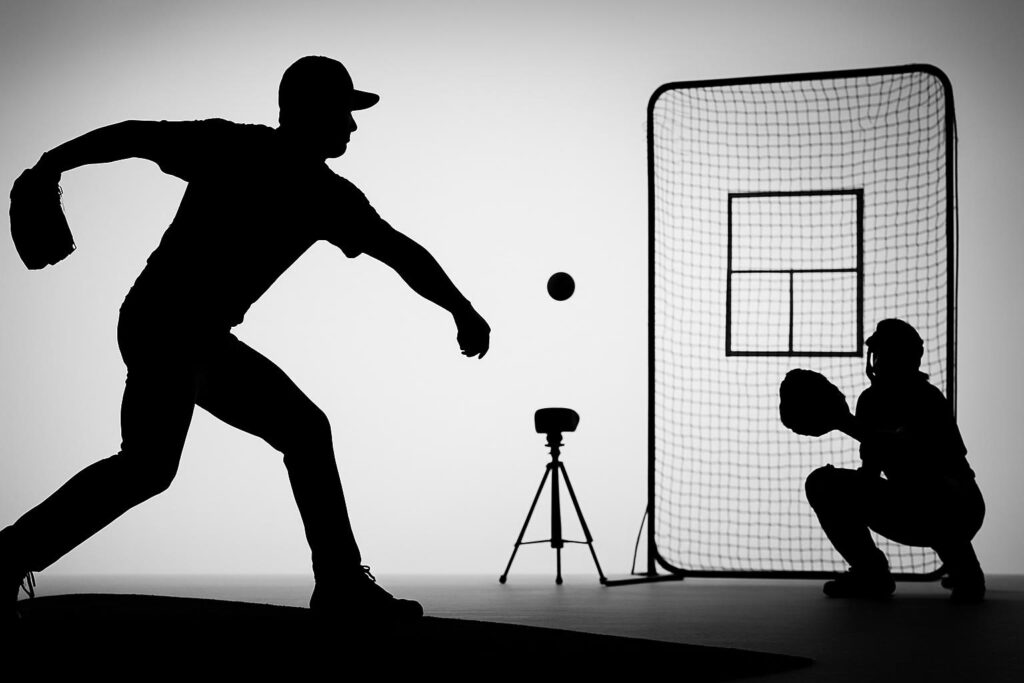
A bullpen session is a structured practice on a mound where a pitcher throws planned pitches to a catcher with clear targets, volume, and intensity. You work through a warm up, focused throwing blocks, and a cool down. Each block trains a skill. You can target mechanics, command, pitch shapes, or game-like sequences. The intent is controlled. The plan is written. The feedback is clear.
In short, a bullpen is not just throwing. It is a repeatable routine with measurable goals and a specific purpose for that day.
Why Bullpens Matter
Consistency wins for pitchers. Bullpens let you build it. You can repeat your delivery, stack strikes to both sides, and lock in grips and release points. You can practice sequences without the noise of runners and umpires. You can move from easy work to higher intent in a safe way. You can track progress, protect your arm, and arrive on game day with a plan you trust.
Used weekly, bullpens improve command, stamina, and decision making. Used poorly, they waste throws and increase risk. The difference is structure.
How Often and When To Throw a Bullpen
Starters often throw one bullpen between starts. On a five day cycle, you recover on day one, play light catch on day two, throw a bullpen on day three, do touch and feel work on day four, and start on day five. On a seven day cycle, shift the bullpen to day four or day five. Relievers use short maintenance pens one to two times a week based on game workload.
In season, most youth pitchers do one bullpen per week with 20 to 30 total pitches. High school and college starters often do 25 to 35 pitches in their between start bullpen. Off season, you can add one extra bullpen day to build volume and shape pitches. Keep intent moderate at first. Add intensity only when your mechanics and arm path look clean at lower effort.
Match bullpen timing to soreness and schedule. If you feel heavy or tight, move the bullpen back one day. If you just threw many game pitches, shorten or skip the bullpen and do light catch and recovery instead.
Equipment and Setup
You need a mound, a plate, baseballs, and a catcher. Use the full distance for your level. Place a visual target in each quadrant. You can use a catcher mitt target, a small cone behind the plate, or tape lines on the net if you throw into a net. Mark the top and bottom of the strike zone on a net or fence to train eye level changes.
Helpful add ons include a radar gun for feedback on pacing, a simple tripod for video, a notebook or phone notes, and a band set for arm care. If available, pitch tracking tools can add spin and movement data. None of these replace a clear plan or accurate targets.
Warm Up and Mobility
Warm up to throw. Do not throw to warm up. Start with five to eight minutes of light movement. Jog, skip, or jump rope. Add dynamic mobility for hips, hamstrings, and thoracic spine. Use arm circles and light shoulder activation. Use bands for scap and rotator cuff work. A short plyo ball series can groove direction and timing with low stress. End the warm up with an easy catch routine that builds distance and height slowly, then brings it back in.
Keep breathing calm. Keep posture tall. If something feels sticky, take more time before you get on the mound.
The Standard Bullpen Flow
Use a four phase flow. Phase one is catch and flat ground. Phase two is mound ramps and feel. Phase three is focused pitch blocks. Phase four is short game like sequences. Then cool down.
Phase one. Play easy catch at 60 to 70 percent for five to seven minutes. Focus on effortless throws and one hop accuracy. Mix in a few flat ground fastballs at 50 to 60 percent to each lane to feel direction. Keep volume small. Save the arm for the mound.
Phase two. Get on the mound for three to five easy fastballs down the middle. Feel the slope and stride. Hit the catcher in the chest. Then throw four to six fastballs gloveside and armside at 65 to 75 percent. Pause for a breath between throws. Lock in your line to the target.
Phase three. Run two to four pitch blocks. Each block targets one skill. Examples include fastball gloveside to the black for six to eight throws. Sinker or two seam arm side for six to eight throws. Changeup below the zone for six to eight throws. Breaking ball for strikes to 0 0 and chase to 0 2 for six to eight throws. Take a short walk between blocks. Log a quick note on feel and results.
Phase four. Finish with six to twelve game like pitches. Work with the catcher on simple sequences. For example, first pitch fastball away for a strike, then a changeup below the zone, then a fastball up. Or a backdoor breaking ball to a lefty, then a fastball in, then a slider away. Keep decision making clean and tempo steady.
End with a cool down. Light bands, light shoulder care, and a short walk. Rehydrate. Note what worked and what needs work next time.
Sample 25 to 35 Pitch Bullpen for Starters
Warm up and catch play as above. Then on the mound throw 3 to 5 easy middle fastballs. Throw 8 fastballs gloveside on the edge. Throw 6 fastballs arm side on the edge. Throw 6 changeups below or at the bottom of the zone. Throw 6 breaking balls, half for strikes and half as chase. Finish with 6 game like sequences. A standard in season bullpen for starters is 25 to 35 pitches at 75 to 85 percent intent.
Touch and Feel Bullpen
Use this two days before a start or after a heavy game. Throw 15 to 20 total pitches at 60 to 70 percent. Hit the center and both edges with your fastball. Flip in a few changeups and breaking balls for feel. Stop if effort creeps up.
Locations and Simple Cues
Work the four lanes. Up and down. In and out. Throw to the black. Throw to the bottom. Throw above the zone when the plan calls for chase. Keep targets small. Aim at the glove, not the plate.
Use simple cues you can trust. Direction to the target through the heel of the stride foot. Stay tall over the rubber. Keep the head quiet. Land firm then rotate. Finish over the front leg. Do not stack cues. Use one or two per block.
Mechanics Checkpoints
Balance and rhythm. Start smooth. No rush out of the leg lift. Direction. Hips and stride align with the target. Foot strike. Land closed to neutral. Do not open early. Separation. Hips start, shoulders wait. Arm path. Loose out of the glove with a clean window at foot strike. Head and eyes. Stay level through release. Release height. Repeat your slot across pitches. Decel. Strong finish with the arm and trunk.
Video a few throws from the side and behind the mound. Compare to your best reps. Adjust one thing at a time. If a change hurts command, scale it back.
Command Before Velocity
Velocity matters, but command wins days. Hit the glove on purpose. Aim for 70 percent strikes in your bullpen. Land 7 of 10 fastballs to your gloveside edge. Land at least 6 of 10 changeups at or below the bottom of the zone. As command holds, layer intent. If command drops, bring intent down and reset your line.
Developing Each Pitch
Four seam fastball. Train ride and true direction. Work up and gloveside for swing and miss and called strikes. Keep the line firm. Two seam or sinker. Train arm side run with late depth. Live on the arm side edge and off the plate to same side hitters. Work low.
Changeup. Match fastball arm speed. Grip to kill spin. Think through the middle with gentle pronation after release. Targets are bottom of the zone and below. Pair it with high fastballs to change eye level.
Curveball. Train top down spin with a clean release. Start it at the top of the zone when you want a strike. Start it above the zone when you want chase. Keep posture tall so the shape holds.
Slider. Train sweep or short cut based on your slot. Focus on late turn and firm speed. Keep your fastball tunnel for the first third of flight. Aim glove side edge for strikes. Aim off the plate for chase.
Cutter. Train small glove side movement at fastball speed. Live on the hands of opposite side hitters and backdoor to same side hitters. Keep the feel crisp and do not force big movement.
In each block, throw small groups of two to three pitches to the same target. Reset. Breathe. Repeat. Do not chase perfect shape with grinding effort. Seek clean, repeatable release points at game like speed.
Sequencing Practice
First pitch. Have a plan. Fastball to the easiest strike lane most of the time. Mix in a get me over breaker or a confident changeup when the matchup and your feel support it.
Even counts. Attack edges with fastballs and cutters. Expand off the edge with secondary when you are ahead. Behind in the count, win back the zone with your best strike pitch.
Put away. Use your best miss low or away from the barrel. For some it is a high fastball above the zone. For others it is a changeup below or a slider that starts on the edge and goes. Practice your out pitch to the same tunnel as your strike pitch.
In a bullpen, call out the count before each sequence. Throw the pitch you would throw in a game. Evaluate location and conviction. Reset and go again.
Reading Fatigue and Stopping Rules
Normal fatigue feels like general tiredness and a mild drop in zip near the end. Soreness in large muscles is normal in season. Sharp pain or tingling is a stop sign. Numbness or loss of fine motor control is a stop sign. Loss of command that does not improve with a short break is a stop sign. Stop the bullpen immediately if you feel sharp pain, numbness, or loss of control that does not improve after a short pause.
Keep volume in a safe window. Youth and new pitchers should emphasize short pens with clean reps, not long marathons. Off season ramps should progress weekly with small steps. In season, protect recovery first.
Recovery After a Bullpen
Cool down right away. Walk for two to three minutes. Do light bands and simple shoulder care. Add soft tissue for forearm flexors and posterior shoulder. Breathe slow for one to two minutes to downshift the nervous system. Rehydrate and get a protein and carb snack soon after.
Within 12 to 24 hours, do a light mobility session. Hips, T spine, and shoulder blade control. A light catch session the day after can help blood flow if you feel tight. Sleep seven to nine hours. Track how you feel so you can adjust the next bullpen.
The Role of the Catcher and Coach
The catcher is your partner. Set firm targets in each lane. Give clear feedback on strike quality. Keep tempo steady. Ask for the pitch again if the execution was poor. Nudge location shot to shot to challenge the edge of the zone. Block and receive with game intent so your visual read is real.
Coaches guide the plan and the spacing. They keep the goal of the day narrow. They protect volume and intensity. They watch timing at foot strike, head movement, and posture. They cue simple fixes and avoid overloading the pitcher with talk. They make sure you record the session so the next one has a starting point.
Using Tech and Notes
Technology can help, but only when the plan is clear. A radar gun tells you if pace and intent are stable. Video confirms direction, posture, and release. Pitch tracking devices add spin rate, spin axis, and movement. Use them to check if a grip change did what you wanted. Do not chase numbers at the cost of command.
Log every bullpen. Include date, total pitches, pitch mix, intent level, key cues, strike rates by pitch, and one or two fixes for next time. Over weeks, you will see patterns. Which lane is weak. Which pitch needs more trust. Which cues work under load. The log makes your progress visible.
Common Mistakes To Avoid
No warm up or a rushed warm up. Jumping to max effort early. Throwing without targets. Standing in the middle and aiming at the plate. Ignoring the changeup. Overthrowing the breaking ball. Piling on new mechanics mid session. Throwing through pain. Skipping the cool down. Not writing anything down. Each of these drains quality and adds risk.
Adjustments by Level
Youth pitchers should keep bullpens short, simple, and fun. Focus on balance, direction, and strikes with a fastball. Add a changeup when the fastball is steady. Leave breaking balls for later and only with coach guidance. Emphasize rest and recovery.
High school pitchers can handle a full plan with three pitches. Split sessions between command days and shape days. Use video for checkpoints. Keep intensity moderate most of the time. Build up to high intent late off season and before showcases.
College and pro pitchers tailor bullpens to role and scouting. Use advanced reports to set location goals by hitter type. Design one elite secondary. Sharpen a fastball plan to both sides. Use tech to confirm that changes hold across sessions and under fatigue.
In Season vs Off Season Focus
In season, the bullpen serves recovery and readiness. Keep intent in the middle. Protect the arm. Sharpen what you already own. Sequence lightly. Move on fieldwork and pickoffs to separate days.
Off season, build. Increase total throws across weeks. Add strength and mobility work around the pen. Do pitch design blocks where you change grip pressure, finger placement, or cue to improve shape. Record often. Keep rest days sacred. Return to moderate intent each time you add a new pitch or change a pattern.
Sample Weekly Plans
Five day starter. Day one recovery. Light flush run, mobility, bands, and no throwing or very light catch. Day two light catch and movement work. Day three bullpen at 25 to 35 pitches with 75 to 85 percent intent and two to four focused blocks. Day four touch and feel at 15 to 20 pitches, 60 to 70 percent, and short defensive work. Day five start day.
Seven day starter. Day one recovery. Day two light catch. Day three medium catch and flat ground. Day four bullpen at 30 to 40 pitches with a small sequence block. Day five lift and movement. Day six touch and feel with 15 to 20 pitches at low intent. Day seven start day.
Reliever. Two short pens weekly when game load allows. Keep each at 15 to 25 pitches. One command focused. One shape or sequencing focused. If you pitch in games on back to back days, replace bullpen work with light catch and recovery.
Youth. One bullpen per week in season. 20 to 30 pitches at easy to moderate intent. Hit the middle, then both edges, then add a few changeups at the bottom. Stop early if strikes fade or fatigue shows.
Quick Checklists
Pre Pen
Clear goal for the day. Written plan. Full warm up for body and arm. Targets in place. Catcher briefed. Camera or notebook ready.
During Pen
Small blocks with simple cues. Steady breath and tempo. Precise targets. Short breaks between blocks. Honest feedback. Adjust only one variable at a time.
Post Pen
Cool down. Hydrate and refuel. Log results and notes. Set one focus for the next session. If soreness is unusual, plan extra recovery and reduce volume next time.
Simple Cues That Work Under Pressure
See the small target. Land and throw through it. Finish long over the front side. Trust the shape you trained. Move on fast from the last pitch. These cues anchor performance when the heart rate climbs.
How To Build a Plan That Sticks
Pick one priority per bullpen. For example, gloveside fastball command. Fit the pitch mix around that priority. Keep the total pitch count tight. Add a short sequence finish only if the main block goes well. Repeat the theme across weeks until it holds in games. Then move the next priority to the top.
Share the plan with your catcher and coach before you start. Ask for specific feedback in the words you prefer. Make it a partnership. You will move faster with aligned eyes.
Troubleshooting Common Problems
Missing arm side. Check direction and posture. Aim a half ball more gloveside than you think. Land with a firmer front side. Reduce effort for a few reps to regain the line.
Spiking breaking balls. Raise the target. Start the pitch higher. Keep posture taller. Focus on clean hand speed, not extra force.
Changeup sailing high. Slow down the mind, not the arm. Grip a touch deeper. Exhale before you start. Aim a ball below the bottom of the zone.
Velocity dips early. You rushed the ramp. Extend the warm up. Add two to three easy middle fastballs on the mound before your first block. Stay patient through the first five to seven pitches.
A Note on Safety and Long Term Health
Healthy pitchers train more and improve more. Respect pain signals. Space bullpens with rest. Match throwing to strength work so fatigue does not stack. Keep communication open with parents, coaches, and trainers. Your routine should make you feel more ready, not more fragile.
Putting It All Together
A good bullpen is simple, focused, and repeatable. You arrive with a goal. You warm up the right way. You throw to small targets with steady intent. You track what you did. You recover and sleep. Then you do it again next week with one small step forward.
Most pitchers do not need fancy tools to get better. They need a clear plan, honest feedback, and consistency. Build your routine now. By the next month, you will see more strikes, cleaner shapes, and more confidence in games.
Conclusion
Bullpen sessions are the controlled engine of pitcher development. They convert practice throws into game trust. Start with a clean warm up. Run short, targeted blocks. Sequence a few hitters to finish. Recover with intent. Log it. Repeat. If you keep the plan tight and the standards high, your command improves, your shapes hold, and your outings get easier. That is the payoff of a well run bullpen.
FAQ
Q: What is a bullpen session
A: A bullpen session is a structured practice on a mound where a pitcher throws planned pitches to a catcher with clear targets, volume, and intensity.
Q: How many pitches should a standard in season bullpen include
A: A standard in season bullpen for starters is 25 to 35 pitches at 75 to 85 percent intent.
Q: How often should youth pitchers throw bullpens in season
A: In season, most youth pitchers do one bullpen per week with 20 to 30 total pitches.
Q: What should a pitcher focus on during a bullpen
A: Aim for 70 percent strikes in your bullpen. Land 7 of 10 fastballs to your gloveside edge. Land at least 6 of 10 changeups at or below the bottom of the zone.
Q: When should a pitcher stop a bullpen
A: Stop the bullpen immediately if you feel sharp pain, numbness, or loss of control that does not improve after a short pause.