
We are reader supported. When you purchase through links on our site, we may earn an affiliate commission. Also, as an Amazon affiliate, we earn from qualifying purchases.
Finding a youth football helmet that truly fits a smaller head is about more than comfort. It affects vision, reaction time, and how well the shell and padding can do their job. The wrong size or a sloppy fit can cause the helmet to rotate on contact, lifting the sightline and moving protection away from where it is needed. If your athlete has a smaller head, the right model plus correct sizing and adjustments can make a big difference. This 2026 fit guide breaks down what to look for and highlights seven proven youth helmets that consistently fit smaller heads well, with clear tips on dialing in a secure, stable feel.
How to Choose a Youth Helmet for Small Heads in 2026
Measure before you shop
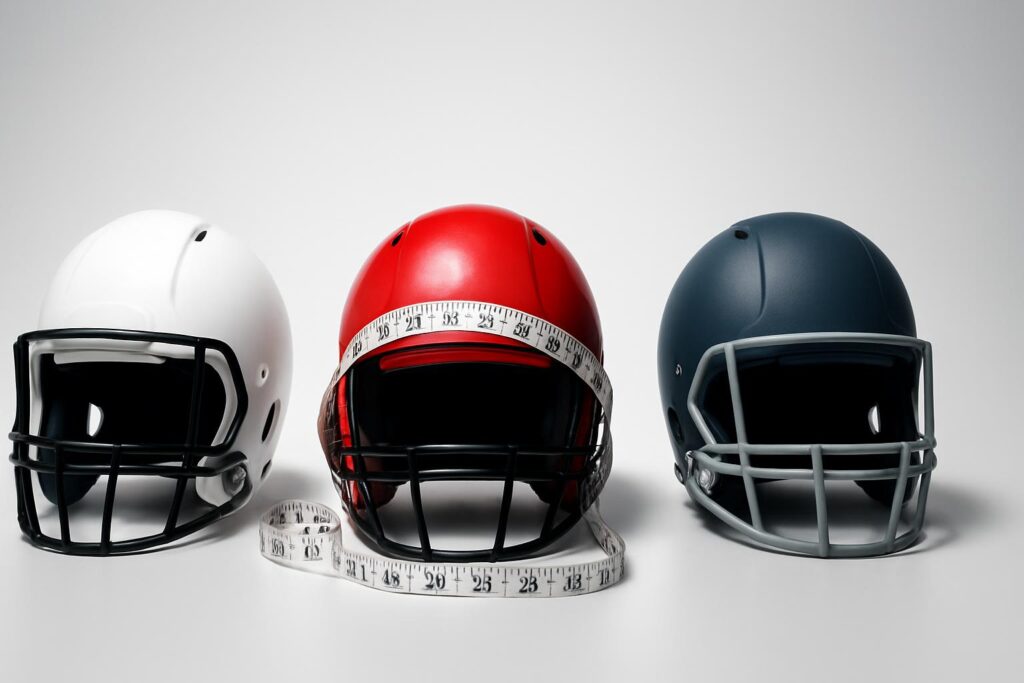
Start with a flexible soft tape. Measure the head circumference around the widest part, about one inch above the eyebrows and around the back of the head. Keep the tape level and snug but not tight. Take two or three measurements and use the largest number. Record the size in both inches and centimeters to match different charts.
Size charts vary among brands, and fit can feel different even at the same labeled size. A Youth Small in one helmet may feel tighter or looser than a Youth Small in another. Always compare your measurement to the manufacturer’s current size chart for the specific model and year.
Fit checklist on the field
Snug crown fit: Press down gently. The helmet should compress the hair and make even contact on the top and sides without hot spots or gaps.
No rocking: With the chinstrap buckled, try to roll the helmet forward and backward. It should move no more than about an inch and should not shift the eyebrow pad line into the eyes.
Stable jaw pads: The helmet should touch at the mandible (lower jaw) on both sides. Jaw pads should not float or create pressure points.
Chinstrap alignment: The cup centers under the chin. Straps pull straight down without twisting. Buckles snap securely.
Vision: When the helmet is seated correctly, the lower edge of the brow is just above the eyebrows, keeping the sightline open.
Features that help small heads
Multiple shell sizes: Helmets that use dedicated shells for Youth XS/S/M usually wrap smaller heads more naturally than one-shell designs.
Interchangeable jaw pads: Swapping to thicker jaw pads can tighten the side fit instantly without forcing a smaller shell size.
Adaptive liner systems: Some models use air, foam, TPU, or suspension-style fits that conform better to small crown shapes.
Lightweight builds: For smaller athletes, a lighter helmet often feels more stable and reduces neck fatigue.
Common fit mistakes to avoid
Sizing down too far: If the helmet sits too high, pinches sharply, or cannot align the chinstrap correctly, it is too small. A too-small shell pushes the facemask up and narrows vision.
Over-tightening the chinstrap: Using the chinstrap to force a big helmet to feel snug will cause pressure on the chin and won’t stabilize the crown fit. Size correctly instead.
Ignoring hair changes: Long hair or braids can change fit. Re-check after haircuts or style changes.
Skipping a fresh fit test: Athletes grow quickly. Re-measure at the start of every season and again mid-season if comfort changes.
Safety standards and league compliance
Look for helmets that indicate third-party certification to the latest NOCSAE standard for youth play. Confirm your league’s rules for facemask styles, hardware, and approved chinstraps. Keep the product label and documentation; many leagues check them at equipment handout or pre-season inspections.
The 7 Best Football Helmets for Youth Players with Small Heads [2026]
1) Riddell SpeedFlex Youth
The SpeedFlex Youth is a premier option for youth players who need a secure, low-profile feel with modern shell engineering. Its flex panel concept helps manage impact forces while the interior comfort system creates a close wrap around smaller crowns. For small heads, the SpeedFlex Youth often stands out because the combination of a snug overliner and adjustable jaw pads can lock the helmet in place without crushing pressure on the temples.
What stands out: Balanced weight for its category, flexible shell panel, refined pad geometry, and dependable chinstrap system. The overall platform stays stable on quick turns and contact, which is critical for athletes who previously struggled with helmets sliding or tilting.
Fit notes for small heads: Pay attention to the Youth Small size for head circumferences commonly in the ~19 to ~20.5 inch range, and consider thicker jaw pads if the sides feel loose while the crown is right. Many team fitters start with standard pads and swap as needed.
Why it helps: The shell shape and liner work together to create even pressure across the crown, which keeps the helmet from rotating downward into the eyes on tackles.
Best for: Skill players and smaller linemen who value stable vision and a responsive feel.
Potential downsides: Premium price compared to basic youth models. Some variants use hardware or liners that require familiarity to adjust correctly, so plan a careful first fit session.
Sizing tip: If you are between sizes, prioritize crown fit first. Fine-tune the side fit with jaw pads rather than jumping to a smaller shell.
2) Schutt F7 Youth
The F7 Youth uses a modern shell with energy-managing features and a liner system designed for consistent contact around the head. For smaller athletes, the crown coverage and cheek engagement can feel more natural than older designs. The helmet typically feels planted without adding bulk, making it a strong choice for players who have had issues with helmets wobbling.
What stands out: Advanced impact management in a youth package, with well-placed internal pads. Many players report the F7 Youth feels secure right away, and adjustment options allow for straightforward fine-tuning.
Fit notes for small heads: Youth Small and Youth Medium sizes often overlap around the 20 to 22 inch range. Choose the size that seats firmly at the crown and use different jaw pad thicknesses to eliminate side gaps.
Why it helps: Solid crown wrap and stable jaw pad engagement reduce rotational movement, which is a common issue when small heads try to fill larger shells.
Best for: Players who want a modern feel with emphasis on stability and controlled movement at impact.
Potential downsides: Depending on the facemask model, the total weight can climb slightly. Check that your chosen facemask meets league rules and matches the player’s position.
Sizing tip: Do a firm front-to-back rock test after warmups. If the helmet shifts enough to change the sightline, increase jaw pad thickness or re-check the size.
3) Xenith X2E+ Youth
The X2E+ Youth is known for an adaptive fit concept that helps smaller heads feel more centered inside the shell. Instead of traditional air bladders, its interior uses a suspension-style system and multi-density pads that can settle around the crown as the chinstrap is tightened. For many athletes with narrow or slightly oval head shapes, this creates steadiness without needing to downsize aggressively.
What stands out: Unique fit method that tightens into the head with strap tension, reducing the guesswork of small-gap fit issues. The liner tends to spread pressure evenly rather than creating single-point hotspots.
Fit notes for small heads: Because the system relies on proper strapping, take extra time to center the chin cup and equalize strap tension on both sides. Once set, the fit often remains consistent through practices and games.
Why it helps: The adaptive interior closes small gaps that small heads often leave at the sides and back of conventional designs.
Best for: Players with narrower head shapes or those who have struggled to stabilize the sides of other helmets.
Potential downsides: The first fitting can take longer if you are new to the system. Some players may prefer the feel of traditional foam or TPU padding after long sessions.
Sizing tip: Tighten the chinstrap while holding the helmet centered. Re-check after a short warm-up as the pads settle, then make a final strap adjustment.
4) Riddell Victor Youth
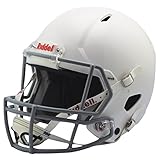
The Victor Youth offers a clean, dependable fit for younger players, especially those who do not need the added complexity of high-end systems. It uses a straightforward pad layout that often seats nicely on smaller crowns while keeping weight reasonable. For families balancing value and fit quality, the Victor Youth is a smart pick.
What stands out: Simple, proven interior that is easy to size and adjust with different pad thicknesses. The shell profile is compact, making it less cumbersome for smaller athletes.
Fit notes for small heads: The Youth Small and Youth Medium can feel quite different; the right one is the size that seats low enough without pinching. Use thicker jaw pads to prevent side-to-side movement if the crown is correct but the cheeks feel loose.
Why it helps: Minimal learning curve and predictable pad response make it easier to achieve an even, snug wrap on small heads.
Best for: Newer players, rec-league athletes, and families who value simplicity and reliable fit.
Potential downsides: Lacks some of the premium liner technologies from higher-tier models. If your athlete loves a plush interior, this may feel more basic.
Sizing tip: If the helmet rocks when pushed from the facemask or rear, swap to thicker jaw pads before considering a different shell size.
5) Schutt Vengeance A11 Youth
The Vengeance A11 Youth is a streamlined take on Schutt’s popular shell family, tuned for predictable fit and comfort without extra weight. Its interior frequently suits smaller heads, particularly when paired with the right jaw pad thickness. The shell profile feels compact, and the balance between front, crown, and rear padding helps keep the helmet centered.
What stands out: Stable shell geometry and a versatile pad kit that can handle a wide range of youth head shapes. The helmet is often praised for its out-of-the-box comfort and straightforward adjustability.
Fit notes for small heads: Start with the recommended size for your measurement and spend time dialing in jaw pads. A11 sizing tends to be accurate for small crowns if the brow line sits correctly and the chin cup centers naturally.
Why it helps: Even pressure across the crown and cheeks means less sliding and fewer mid-practice adjustments for smaller athletes.
Best for: Multipurpose youth players across positions who want a consistent, light-feeling fit.
Potential downsides: As players grow, they may eventually want a more feature-rich model. Some facemask pairings can add weight; choose position-appropriate masks to keep balance right.
Sizing tip: After getting the jaw pads right, check rear stability by gently pulling the helmet forward from the back edge. If it slips, you may need a size down or thicker rear padding, depending on the variant.
6) Xenith EPIC+ Youth
EPIC+ Youth builds on Xenith’s adaptive fit approach with a slightly more cushioned interior feel versus the X2E+. For small heads, the way the fit tightens through strap tension, plus the plush pad set, can deliver an easy-to-love combination of stability and comfort. If your athlete finds many helmets too rigid or gappy at the sides, EPIC+ Youth is worth strong consideration.
What stands out: Enhanced comfort with a familiar adaptive system that hugs the head more evenly as you secure the chinstrap. The interior often reduces pressure points on the temples for narrow crowns.
Fit notes for small heads: Position the helmet low, then center the chin cup and tighten evenly on both sides. Confirm cheek engagement with a gentle press. If the cheeks float, consider swapping to thicker jaw pads where available.
Why it helps: The adaptive suspension supports small head shapes without relying on a tight, compressed foam feel, improving all-day wear.
Best for: Players sensitive to hotspots who still need a locked-in fit; athletes transitioning from entry-level helmets to a more refined interior.
Potential downsides: Slightly different feel from traditional foam-lined helmets; some players need a few practices to get used to it. Initial setup takes attention to strap centering.
Sizing tip: Re-check fit after the first week. If the interior has settled and loosened, a quick chinstrap readjustment usually restores the original feel.
7) Schutt Recruit Hybrid Youth
The Recruit Hybrid Youth is a value-forward option that still gives small heads a dependable, snug wrap. Its pad system is designed to seat predictably and maintain even contact across the crown and cheeks, which helps players who struggle with helmets that twist on quick moves. The design rarely feels bulky, an important factor for younger or lighter athletes.
What stands out: Strong fit consistency for the price. The interior is easy to understand and swap if you need thicker jaw pads to fine-tune the lateral fit.
Fit notes for small heads: Start with the size that matches the head measurement at the crown. If the helmet seats correctly but there is side play, move up in jaw pad thickness rather than downsizing the shell.
Why it helps: A simple, balanced fit platform that reduces side-to-side rotation without adding weight or complexity.
Best for: Budget-conscious families, new players, and teams equipping a range of small heads who need reliable sizing.
Potential downsides: Not as feature-loaded as premium models; interior feel is more straightforward and may be less plush. As athletes progress, they may want a more advanced system.
Sizing tip: After finalizing the fit, mark strap positions with a small piece of athletic tape so the player can re-match them each practice.
Size and Adjustment Quick Guide
Know your typical ranges
Many youth helmets break sizing into Youth Small, Youth Medium, and Youth Large. While ranges vary by brand and model, a common pattern is roughly:
Youth Small: about 19 to 20.5 inches circumference
Youth Medium: about 20.5 to 22 inches circumference
Youth Large: about 22 to 23.5 inches circumference
Some models offer Youth X-Small or Youth X-Large. Always check the specific size chart for the exact helmet and model year you are using. If your athlete sits near the upper limit of a size, try on both that size and the next one up and choose the shell that seats correctly at the brow with minimal movement.
Dial in jaw pads
Jaw pads are the fastest way to customize fit for small heads. If the crown fit is correct but there is side play at the cheeks, bump up to thicker pads. If the helmet feels tight at the jaw while the crown is right, consider thinner pads to relieve pressure without losing stability. Keep the cheeks snug enough that the helmet does not wobble when the player speaks or looks side-to-side.
Chinstrap fundamentals
The chin cup should center under the chin with the helmet seated low. Tighten each side evenly so the cup pulls straight down and back. Do not use the chinstrap to force a helmet that is too big to feel snug; that causes chin discomfort and does not stabilize the crown. Re-check chinstrap tension mid-practice as sweat and movement can loosen straps slightly.
Facemask pairing and vision
Choose a facemask appropriate to your athlete’s position and league rules. Smaller players benefit from lighter masks and designs that preserve horizontal and vertical sightlines. After installing or changing a facemask, repeat the fit test to ensure the brow line and vision remain ideal. A heavier or differently shaped mask can change balance for small heads.
Break-In, Care, and Season-Long Fit
Break-in routine
Plan two to three short at-home wear sessions before the first padded practice. Wear the helmet for 10–15 minutes, then remove and check for red marks that last more than a few minutes. Minor pressure in the first session is normal, but sharp pain or lasting marks indicate the need to adjust pads or consider a different size.
Weekly checks
At least once a week, confirm chinstrap tension, jaw pad engagement, and crown stability. Kids grow fast, and sweat and weather can alter how pads feel day-to-day. If the helmet starts to tilt into the eyes during play, stop and correct it. A small head inside a slightly loosened helmet can develop bad habits, like tipping the chin up to see under the brow pad.
Cleaning and maintenance
Wipe the exterior shell with a damp cloth and mild soap. Do not use harsh chemicals. Allow the interior to air dry fully after each use. Remove pads if the model allows and clean them according to the manufacturer’s care instructions. Sweat and dirt can compress pads over time, so keeping them clean helps preserve fit.
Parts and replacements
Keep a small fit kit on hand: different jaw pad thicknesses, extra snap posts or screws for facemask hardware, and replacement chinstraps. If a pad tears or compresses excessively, replace it so the helmet maintains a consistent, snug feel.
When to Re-Evaluate Size
Growth checkpoints
Re-measure the athlete’s head at the start of the season, mid-season, and before playoffs. Growth spurts can change the required shell size, or at least the pad thickness. If chinstrap adjustment runs out of room or the helmet feels tight at the top but loose at the sides, it may be time to change size.
Performance signs
Watch for frequent mid-play adjustments, tilting the head to see under the brow, or the helmet sliding on contact. These are signs the current setup is not holding securely. A well-fitted helmet should disappear in play, meaning the athlete does not notice it or try to reposition it.
How to Test Fit on Practice Day
Step-by-step
1. Place the helmet front-first, then roll it onto the head so the brow pad rests just above the eyebrows.
2. Center the chin cup, tighten the bottom straps evenly, then the top straps.
3. Check lateral stability by gently shaking the head side-to-side. There should be no rattling or slippage.
4. Try a forward and backward rock with gentle pressure at the facemask. The helmet should move minimally and not drop into the eyes.
5. Ask the athlete to run a few short routes or agility drills. Re-check and re-tighten if needed. Small heads often benefit from a final tweak after warm-up.
Which Helmet Should You Choose?
Match the model to the need
If you want the most refined blend of stability and modern tech for small heads, the Riddell SpeedFlex Youth and Schutt F7 Youth lead the field. If you prefer an adaptive system that cinches evenly around narrow crowns, Xenith X2E+ Youth and EPIC+ Youth are excellent. For value and dependable fit, Riddell Victor Youth and Schutt Recruit Hybrid Youth deliver clear, snug sizing. If you want a streamlined, stable feel in a familiar shell family, Schutt Vengeance A11 Youth is a strong all-rounder.
Position and preference
Skill players often favor lighter setups and facemasks that maximize vision. Linemen may prioritize sturdier masks and a slightly denser interior feel. If your athlete is sensitive to pressure points, start with an adaptive-fit option. If your athlete wants a traditional feel with predictable pad response, the Victor or Recruit Hybrid are straightforward choices.
Conclusion
A great youth football helmet for a smaller head does two things well: it seats low and evenly at the crown, and it locks in at the jaws without pinching. That combination steadies vision, prevents rotation on contact, and keeps the athlete focused on play. Measure carefully, start with a crown-first size choice, then use jaw pads and strap adjustments to finish the fit. With the right setup and one of the proven models above, your player can step on the field with a helmet that feels like part of their game, not an obstacle.