
We are reader supported. When you purchase through links on our site, we may earn an affiliate commission. Also, as an Amazon affiliate, we earn from qualifying purchases.
Non-contact practices are where players sharpen reads, polish timing, and build footwork without the hits. Padded headgear helps here by minimizing bumps, turf scrapes, and incidental clashes while keeping players light and mobile. With more teams leaning on 7-on-7, walkthroughs, install periods, and thud-tempo sessions, choosing the right soft head protection has never mattered more—especially heading into 2026, where speed and skill work continue to dominate player development.
This guide breaks down the 7 best football padded headgear options for non-contact drills. Every pick is simple to wear, beginner-friendly, and focused on comfort, breathability, and practical protection so you can train more and worry less.
What Counts as Padded Headgear for Non-Contact Football
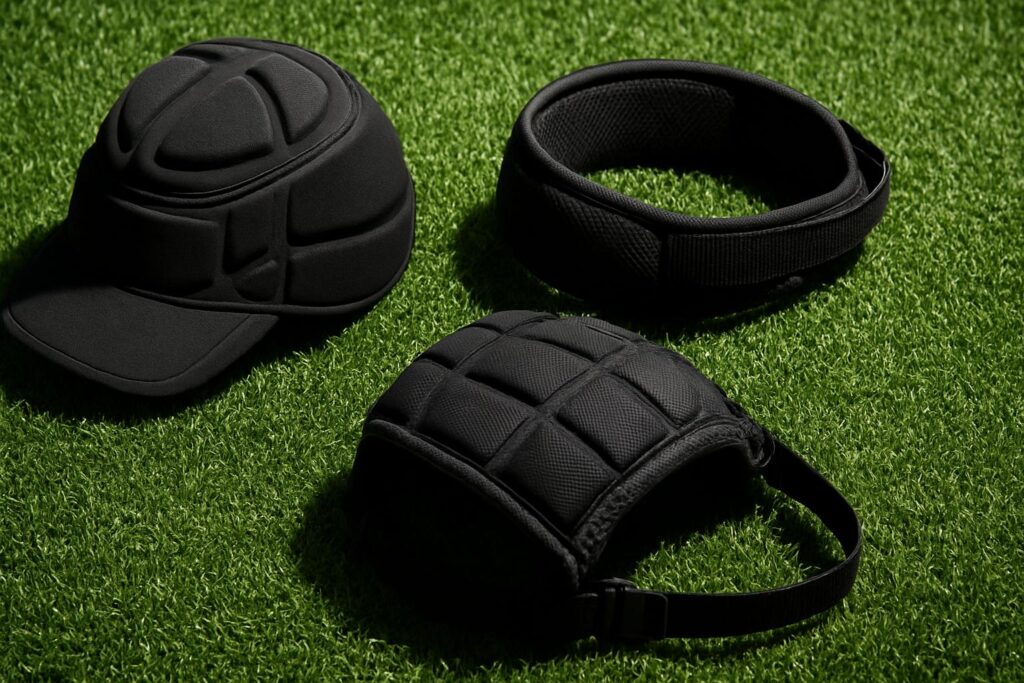
Padded headgear in this context means soft-shell helmets, caps, or headbands designed to reduce minor impacts and abrasions during training. These are not replacements for certified helmets in contact play. Instead, they offer lightweight coverage for skill periods, flag/7v7, walkthroughs, or helmets-on thud where teams may also use add-on caps.
Most use EVA or rate-dependent foams, mesh panels for airflow, and adjustable closures. The goal is to improve comfort and confidence while keeping players dialed in on technique.
How We Chose
Comfort and Breathability
Non-contact sessions can run long. We prioritized models with airflow channels, moisture-wicking liners, and shapes that don’t trap heat.
Secure Fit
Headgear that shifts mid-rep is distracting. Closure systems and interior grippers that keep a stable fit rank higher.
Coverage
Temple, occipital, and ear areas are common bump zones in practice. Options that protect these without adding bulk earn extra points.
Use Case Versatility
From flag to 7-on-7 to helmets-on install periods, the more situations a piece can cover, the better for players and coaches.
Clear Positioning
We favor brands that honestly present what their gear does and does not do. Padded headgear reduces bumps and scrapes; it does not eliminate concussion risk.
7 Best Football Padded Headgear for Non-Contact Drills and Practice 2026
1) Xenith LOOP Non-Tackle Football Headgear

Xenith LOOP is purpose-built for non-tackle football and high-tempo practices. The shell uses energy-diffusing materials designed to manage incidental contact while staying light and breathable. The profile is low enough to avoid altering mechanics, which is critical for quarterbacks, receivers, and DBs working on precision routes and coverage.
Why it helps: LOOP balances coverage and mobility. The design focuses on temples and the back of the head—areas where incidental contact can happen on breaks, catches, and contested drills—without feeling bulky.
Best for: 7-on-7, flag football, team install, and skills periods where helmets aren’t required. Great for skill players and defenders who need freedom of movement.
Fit and feel: Stable fit with an adjustable system that stays put through cuts and jumps. Ventilation openings help move air. The liner resists sweat buildup and dries quickly between reps.
Standout features: Lightweight build, smart coverage zones, and a secure retention system that avoids constant readjustment.
Potential downsides: More coverage than a headband-style guard means a bit more heat on mid-summer days. Sizing is precise—measure head circumference carefully.
Bottom line: A go-to for non-contact football with a refined fit that keeps players focused on technique, not their gear.
2) GameBreaker Pro Soft Shell Headgear with D3O
GameBreaker Pro pairs a comfortable soft shell with D3O, a rate-sensitive material that firms up under sudden impact. The result is a premium practice option used across flag, 7v7, and team drills where athletes want more protection without the weight of a full helmet.
Why it helps: D3O inserts target high-risk zones. The headgear disperses energy from incidental knocks, especially around the temples and crown, and it limits turf abrasions during dives or falls.
Best for: Players who want a more protective soft shell for high-output sessions. Useful for WR/DB one-on-ones, RB screens, and scramble drills with lots of change of direction.
Fit and feel: The soft shell is flexible, and the closure system allows fine-tuning around the head. Vent apertures allow heat to escape. The interior fabric is smooth and reduces hotspots.
Standout features: D3O padding, thoughtful coverage, and a premium construction that holds up to repeated use.
Potential downsides: Price sits at the higher end. Some players find the added structure warmer than minimalist caps in peak summer conditions.
Bottom line: A high-end soft shell for athletes who want advanced materials and confidence in crowded drills without compromising their movement.
3) RockSolid RS1 Soft Shell Helmet
RockSolid’s RS1 is a staple in flag football and 7-on-7 circuits. It leans into EVA foam protection with wraparound coverage, offering a balance of comfort, durability, and price that suits teams outfitting whole units.
Why it helps: The RS1 shields bumps during contested catches, pick drills, and quick-reaction work where helmets aren’t required. The ear and temple coverage reduce scrapes and incidental contact pain points.
Best for: Youth through varsity players in flag and non-tackle practice periods. Also helpful for skill players who want extra confidence in high-traffic drills.
Fit and feel: Firm but forgiving foam with a secure closure. Padding thickness is moderate, which protects without feeling heavy. The interior isn’t overly grippy, so sizing accurately is important.
Standout features: Proven soft-shell design, good ear protection, and a profile that doesn’t obstruct vision or tracking the ball.
Potential downsides: Ventilation is decent but not best in class. Some athletes report the sizing runs snug; measuring before ordering is key.
Bottom line: A dependable, team-friendly headgear option that delivers the essentials for non-contact football at a solid value.
4) Guardian Cap Padded Helmet Cover
Guardian Cap is different: it’s a padded cover that goes over a football helmet. For non-contact thud or install periods with helmets on, it adds a layer that helps manage incidental contact and reduces scuffing during line play. Many programs use it to keep helmets fresher and help soften repetitive knocks in practice.
Why it helps: The added padding disperses energy from helmet-to-helmet bumps and protects the exterior shell from wear. It’s especially helpful for OL/DL periods where hands and helmets cross frequently even in controlled tempo.
Best for: Helmets-on practice sessions, thud drills, OL/DL technique, and team periods where light contact may occur. Not intended to be worn without an underlying helmet.
Fit and feel: Straps secure the cover firmly around the helmet. The outer material is durable and designed to take repeated scuffs. The added mass is minimal but noticeable.
Standout features: Simple on/off design, reinforced zones for frequent contact areas, and broad adoption across programs seeking to manage practice wear and tear.
Potential downsides: Adds a bit of weight and changes helmet balance slightly. Not usable for helmet-free drills. Always follow league and program rules for use.
Bottom line: A practical addition for helmets-on non-contact periods, keeping practices controlled and gear protected while players focus on technique.
5) Storelli ExoShield Head Guard

Originally popular in soccer, Storelli’s ExoShield head guard has found a place in football non-contact work, especially for players who want the lightest option possible. It’s a headband-style guard with padded panels targeting common impact zones while keeping heat to a minimum.
Why it helps: Protects against minor bumps to the temples and forehead and reduces turf-burn risk when going to the ground. The low profile means you forget it’s on, which can be ideal for quarterbacks and receivers dialed in on precision.
Best for: Skill players in summer install, 7-on-7, and low-contact routes on air. Great for athletes who want protection without wearing a full cap.
Fit and feel: Elasticized band with grippy inner texture holds it in place. Breathes extremely well. It slides on fast and packs small in a bag.
Standout features: Minimalist design with targeted padding, easy wash, and quick dry. Comfortable under hats or visors if needed.
Potential downsides: Coverage is limited versus soft-shell helmets. Not intended for helmets-on work. Athletes who take frequent dives or contested reps may want a fuller soft shell.
Bottom line: A lightweight, low-profile option for players who value airflow and simplicity during non-contact football drills.
6) Unequal Halo 3 Headgear
Unequal’s Halo 3 uses a blend of layered foams and aramid fibers in a slim band that wraps the head. It offers a stealthy form factor for athletes who want protective elements without changing their look or feel in drills.
Why it helps: The Halo 3 reduces the sting from inadvertent contact and supplies abrasion protection during slides or dives. It’s unobtrusive, so it won’t alter throwing, catching, or vision.
Best for: Quarterbacks, receivers, DBs, and kick returners working on timing, angles, and footwork. Also useful for junior athletes acclimating to faster practices.
Fit and feel: Slim profile with an adjustable closure. The fabric manages sweat reasonably well. It can be worn under a cap if desired during walk-throughs.
Standout features: Reinforced materials, discreet design, and easy packability. It’s a good bridge between no headgear and a thicker soft-shell helmet.
Potential downsides: Less coverage than full caps. If you sweat heavily, occasional mid-session re-tightening may help keep it locked.
Bottom line: A clean, low-bulk solution for athletes prioritizing comfort and minimalism in non-contact training environments.
7) adidas Rugby Headguard
Rugby headguards like this adidas model have long offered practical, breathable protection for temple, ear, and occipital zones. For non-contact football, they provide comprehensive coverage without bulk, making them a smart crossover option.
Why it helps: The multi-panel foam construction safeguards common bump points while keeping the head cool. The ear sections are designed for clarity of communication—important for offenses making checks and defenses calling out motion.
Best for: Players seeking a proven, laced soft-shell with excellent breathability and coverage. Useful for both skill and special teams periods.
Fit and feel: Top lacing and a chin strap allow precise tensioning. The foam is firm yet pliable, conforming to head shape over a few sessions. Vent holes and moisture-wicking fabric manage sweat effectively.
Standout features: High adjustability, excellent airflow, and wraparound coverage that protects without restricting vision or hearing.
Potential downsides: The silhouette is different from typical football soft shells. Some athletes prefer a sleeker look. As with any laced system, it takes a minute to dial in the first time.
Bottom line: A time-tested, breathable soft headguard with smart coverage that translates well to non-contact football practice.
Sizing and Fit: Get It Right the First Time
Measure head circumference
Use a soft tape measure around the largest part of your head, crossing just above the eyebrows and around the widest part of the back. Compare to each brand’s size chart; do not guess.
Consider hair and head shape
Thick hair or unique head shapes can affect how gear sits. If between sizes, check brand guidance; some recommend sizing up for more coverage, others suggest a snugger fit to prevent shifting.
Try it on and move
Put the gear on, adjust closures, and simulate practice: look up for deep balls, rotate, sprint, and stop. If it shifts or pinches, refine the fit or try a different size.
Plan for sweat
Sweat can reduce friction. Headbands should have grippy interiors; soft shells should be snug enough to stay stable throughout a session.
Care and Hygiene Tips
Regular cleaning
Wipe down after each practice. Most headbands and soft shells can be hand-washed in mild detergent and air-dried. Avoid high heat to preserve foam integrity.
Dry completely
Let gear dry fully before storage to prevent odors and bacteria growth. A mesh bag or ventilated locker helps.
Inspect weekly
Check seams, closures, and foam panels for wear or compression. Replace if the fit degrades or padding thins significantly.
Rotate if needed
If you train daily, consider owning two pieces to allow complete drying between sessions.
Safety Notes for 2026 Non-Contact Training
Padded headgear is a training aid. It reduces minor impacts and abrasions but does not eliminate the risk of head injury. Use proper technique, follow team tempo rules, and abide by governing body guidelines for practice equipment. When helmets are required, only use approved combinations as directed by your program.
Who Should Choose What
Skill players prioritizing speed and feel
Go for Xenith LOOP for fuller coverage without a heavy feel, or Storelli ExoShield/Unequal Halo 3 for minimalism where airflow is the top priority.
Teams running frequent 7-on-7 or install
GameBreaker Pro and RockSolid RS1 bring resilient coverage for busy offseasons and team camps.
Programs doing helmets-on thud or line technique
Guardian Cap adds a protective layer for controlled contact while preserving focus on technique.
Athletes wanting lace-up adjustability
adidas Rugby Headguard provides a customizable, breathable fit with wraparound protection.
FAQ
Do these replace a football helmet?
No. Padded headgear is for non-contact drills or flag/7v7 formats that do not use helmets. When contact or games require helmets, follow your league’s rules.
Will padded headgear prevent concussions?
No gear can promise that. These products help reduce minor bumps, scrapes, and some impact forces in practice scenarios. Technique, rules, and smart practice design matter most.
How tight should it fit?
Snug enough to stay put during hard cuts and head turns, but not so tight it causes headaches or pressure points. Adjust and test during movement.
How often should I replace it?
Inspect weekly. Replace when padding compresses, the fit loosens, or fabric/closures wear. High-frequency users may need annual replacement to maintain performance.
Conclusion
Non-contact training is where football players master the small details that separate good from great. The right padded headgear supports that mission by limiting distractions from minor knocks and abrasions while keeping athletes cool and confident. For 2026, standout options like Xenith LOOP and GameBreaker Pro lead the way for comprehensive practice coverage, while Storelli and Unequal deliver ultra-light solutions for players who want a barely-there feel. RockSolid RS1 provides dependable value for teams, Guardian Cap enhances helmets-on thud work, and adidas Rugby Headguard offers a breathable, adjustable soft-shell alternative.
Measure carefully, prioritize a stable fit, and choose a design that matches your drills. Get the headgear right, and players can lock in on speed, spacing, and execution—the details that win reps and raise ceilings all season.