
We are reader supported. When you purchase through links on our site, we may earn an affiliate commission. Also, as an Amazon affiliate, we earn from qualifying purchases.
Cold air, visible breath, and a tight game under the lights make football in winter special. But there’s one problem that can ruin that magic fast: a fogged-up visor. When your eye shield steams up, your field of vision shrinks, reaction time slows, and mistakes multiply. The good news is that a well-made anti-fog football visor can keep your view clear, so you can play fast and confident even in freezing temperatures. In this guide, you’ll find the top seven anti-fog football visors available on Amazon, plus easy tips for choosing, installing, and caring for your visor so it stays clear game after game.
Why Anti-Fog Football Visors Matter in Cold Weather
Fog happens when warm, moist air from your breath or sweat hits a cold surface—like your visor. That temperature difference makes condensation form on the inside, creating a hazy layer that blurs your vision. In football, even a slight clarity problem can cause late reads, missed tackles, or dropped catches.
Anti-fog football visors help in two ways. First, they use coatings on the interior surface that make condensation spread in a thin, invisible layer rather than big droplets. Second, good visor designs promote airflow, which helps equalize temperature and push moisture out. Together, these features reduce fog buildup so you see the field cleanly from snap to whistle.
How to Choose an Anti-Fog Football Visor
Look for real anti-fog and anti-scratch coatings
Not all coatings are the same. Better visors have multi-layer coatings that resist both fogging and scratching. Scratches create small “catch points” for condensation and light glare, so a visor that stays clear and smooth longer will also stay less foggy. If a brand mentions anti-fog in the product description and reviews confirm it works in cold weather, that’s a strong sign.
Pick the right tint and follow the rules
Clear visors are the safest choice for most leagues and night games. Many leagues limit tinted or mirrored visors because officials and trainers need to see a player’s eyes. Always check your league’s rules before buying a tinted or mirrored shield. If in doubt, go clear.
Check helmet compatibility and curvature
Football helmets are not all the same, and neither are visors. Some shields are designed to fit specific models like the Riddell SpeedFlex, while others are “universal fit” for most youth and adult helmets. Look at the product listing to see compatible models and read fit notes. If you have a SpeedFlex or another popular helmet, you can sometimes get a “zero-gap” fit from a model designed especially for it, which helps reduce airflow blockages and fog points.
Attachment system and quick release
Visors that mount with tool-free thumb screws or quick-release clips are easier to remove for cleaning. In cold weather, fast maintenance is key. If your shield is simple to install and remove, you are more likely to clean it correctly and keep it fog-free.
Materials and durability
High-impact polycarbonate is standard for good visors. Look for optical clarity ratings or user comments on distortion-free viewing. Durability matters in freezing weather because brittle or cheap plastics can craze or micro-crack, which harms clarity and fog resistance.
Youth versus adult fit
Some visors work for both adult and youth helmets. Others are size-specific. Make sure the listing clearly states the size range. A secure fit reduces movement, which helps keep the anti-fog coating in good shape.
Top 7 Anti-Fog Football Visors on Amazon
The picks below are all available on Amazon.com and are known for combining strong anti-fog performance with durability and fit. Always confirm the latest product details and your helmet’s compatibility before buying.
1) Under Armour Football Visor (Clear or Tinted) — Best All-Around Pick
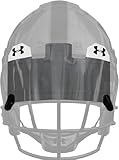
Under Armour’s football visor is a classic for good reason. It’s built from impact-resistant polycarbonate and usually ships with anti-fog and anti-scratch coatings, making it a reliable option for both cold and wet conditions. The clarity is strong across the entire shield, and the two-clip system typically fits most adult and youth helmets with standard facemasks.
In cold weather, this visor’s anti-fog layer does a solid job preventing rapid condensation when your warm breath meets a chilled shield. It’s not magic—you still need good airflow and pre-game prep—but for a universal pick that “just works,” Under Armour is tough to beat.
Things to consider: Some tinted or mirrored versions may not be allowed in certain leagues, especially for games under the lights. Check rules before choosing anything other than clear. Also confirm that the clips match your facemask bar layout to avoid pressure points.
2) NXTRND VZR1 Football Visor — Best for Optical Clarity
NXTRND’s VZR1 is often praised for clear, distortion-free vision and wide coverage. The brand focuses on coatings that resist fogging and minor scratching, and the shape typically works with a broad range of helmets. Many players like the sleek profile and the way it seals around the top without digging into the facemask.
In cold weather, VZR1’s coating helps reduce fog buildup right when you need it most—coming off the sideline or after huddles when your breathing rate picks up. Good clarity and a smooth inner surface combine to reduce places where condensation can grab and cloud your sight.
Things to consider: As with any universal visor, slight alignment differences in facemasks can affect fit. Take your time during installation and use the included hardware as directed. Choose the clear version if your league has restrictions on tinted shields.
3) SHOC Zero-G Plus (SpeedFlex) — Best for Riddell SpeedFlex Fit
If you wear a Riddell SpeedFlex, the SHOC Zero-G Plus is a standout. It’s designed to match the SpeedFlex’s unique facemask and shell geometry, giving a “zero-gap” look that sits clean and secure. That tight integration can help airflow move predictably and reduce pockets where warm moisture can build.
SHOC uses high-quality coatings for anti-fog and anti-scratch performance, and many users report excellent clarity across the field of view. In cold temps, the close fit and consistent surface help keep the shield from fogging as quickly during heavy breathing or sudden temperature changes between drives.
Things to consider: The Zero-G Plus is targeted at SpeedFlex models, so if you have a different helmet, SHOC’s universal options might be better. Some mirrored or colored tints will be restricted in many leagues, so clear remains the safe choice for winter games.
4) SLEEFS Football Visor — Best Budget-Friendly Anti-Fog

SLEEFS offers a visor that hits a good balance of price, durability, and anti-fog capability. For players who want protection and clarity without paying premium prices, this is a smart pick. The shield is built from impact-resistant polycarbonate and generally includes anti-fog and anti-scratch coatings suitable for everyday practices and games.
In cold weather, the SLEEFS visor’s interior coating manages quick breath moisture well. It may not feel as “luxury-glide” as more expensive picks, but the real-world performance is solid. If you are outfitting a team or on a budget, this option can deliver dependable fog resistance with careful installation and basic maintenance.
Things to consider: As a budget pick, the hardware and finish may not be as refined as high-end models. Treat the visor gently when cleaning. Clear versions are typically the most versatile and rule-compliant.
5) BARNETT Football Visor — Best for Simple, Universal Fit
BARNETT’s visor has been a reliable universal choice for years. Many players appreciate its straightforward two-clip installation, consistent optical clarity, and fair pricing. The shield usually features anti-fog and anti-scratch coatings, making it a practical solution for youth and adult athletes alike.
In freezing conditions, the BARNETT visor controls condensation reasonably well, especially if you pair it with good pre-game prep and post-snap airflow. The smooth inner surface helps reduce beading, and the coating resists quick clouding.
Things to consider: Some facemasks have bar layouts that need extra patience during installation. Test the alignment carefully, tighten the screws evenly, and make sure the visor doesn’t flex too much at the edges. As always, confirm league rules before using tinted or mirrored models.
6) CHAMPRO Universal Football Eye Shield — Best for Team Equipment Rooms
CHAMPRO’s universal eye shield is a good option if you manage multiple helmets or need a reliable “plug-and-play” visor for team stock. It often includes anti-fog and anti-scratch treatments and a mounting kit that works with most major helmet brands. Equipment staffs like it because it’s straightforward to install and replace.
In cold weather, CHAMPRO’s coating helps control fog reasonably well, especially for players who rotate between practice and game helmets. The consistency of fit is a plus when you need to swap shields or move equipment quickly.
Things to consider: As a universal solution, the shape may not lock in as precisely as a helmet-specific visor. Check the contact points at the top and sides to prevent stress and ensure even pressure. Choose a clear version if your league has visor restrictions.
7) EliteTek Football Visor — Best for Quick, Tool-Free Mounting
EliteTek’s visor is designed for easy attachment and removal, which is perfect when you need to clean or swap a shield quickly in cold, damp weather. The lens usually features anti-fog and anti-scratch coatings, and the design prioritizes a wide, clear field of view with minimal distortion.
On icy nights, being able to remove your visor between drives, wipe it properly, and pop it back on without tools can make a noticeable difference. EliteTek’s simple mount system supports that workflow, helping you keep visibility high through changing temperatures.
Things to consider: Always verify that the quick-mount hardware is compatible with your facemask. Avoid overtightening, which can stress the lens and hurt clarity. For most leagues, clear is the safest bet for compliance.
Cold-Weather Performance Tips
Pre-game prep makes the biggest difference
Even the best anti-fog coating needs help. Before every cold-weather game or practice, clean your visor with warm water and a small drop of gentle dish soap, then rinse and pat dry with a microfiber cloth. The thin soap film can help moisture spread out rather than bead. Do not use harsh chemicals or ammonia-based glass cleaners; they can damage coatings.
Warm gradually instead of shocking the lens
The fastest fogging happens when your visor rapidly shifts between temperatures—like jogging from a warm locker room to frigid air. If possible, let your visor and helmet sit in the cold for a few minutes before warmups so they “acclimate.” This reduces the extreme temperature difference that causes instant fog.
Manage airflow inside the helmet
Fog forms where moist breath lingers. Make sure your mouthguard and chinstrap aren’t blocking all airflow. Slightly adjusting how your nose and mouth sit relative to the lower edge of the visor can help. Some players crack their mouthguard briefly on the sideline to vent warm air upward before stepping on the field.
Use the right cloth and gentle motions
Only use a clean microfiber cloth on your visor. Paper towels or jerseys can scratch the coating. If you need to wipe during a timeout, dab rather than rub hard, and avoid abrasive dirt or ice crystals that can scrape the lens.
Installation Basics for a Fog-Free Setup
Test fit before tightening
Hold the visor in place on your facemask and confirm the curvature matches your bars and helmet shape. Small gaps are normal, but avoid large pressure spots that could flex the lens or pinch airflow. Adjust the clips to align evenly on both sides.
Even pressure is key
Tighten hardware in small, alternating steps so both sides take the same load. Over-tightening one side can twist the visor, create micro-stress lines, and reduce clarity. A stable fit helps the anti-fog coating perform more consistently.
Check clearance for mouthguard and nose
Put on the helmet, strap in, and breathe normally. Make sure your mouthguard, nose, and upper lip aren’t right against the shield. A small gap helps airflow and reduces fog even when you’re breathing hard.
Care and Maintenance That Extend Anti-Fog Life
Clean after every session
After practice or a game, rinse with cool or lukewarm water to remove sweat and grit. Add a drop of gentle dish soap if needed. Pat dry with microfiber. Let the visor air out fully before packing it into your bag; trapped moisture can wear down anti-fog coatings.
Avoid harsh chemicals
Window cleaners with ammonia, strong disinfectants, and alcohol-based sprays can break down the coatings that keep your visor clear. Stick to water, mild soap, and products explicitly marked safe for anti-fog visors.
Store it safely
Use a soft visor bag or wrap it in a microfiber cloth when not in use. Don’t stack gear on top of it in a cold trunk. Extreme pressure can warp the shape and create stress marks that attract condensation.
Troubleshooting Fog on Game Day
If fog builds up between drives
Remove the visor with quick-release clips if you have them, rinse lightly with water from a squeeze bottle, and dab dry with microfiber. If you used a soap pre-treatment, you usually won’t need to reapply. Avoid touching the inside of the visor with dirty gloves.
If fog shows up mid-play
Focus on strong breathing through the mouthguard channel to direct warm air downward, not up into the shield. On the sideline, open the chinstrap slightly and tilt the helmet to vent warm air up and out before the next snap.
If you get a scratch that keeps fogging
Micro-scratches can grab moisture. If one scratch becomes a constant problem spot, consider flipping to a spare visor for the rest of the game. Keeping a backup shield on hand is smart for cold-weather games.
Are Tinted or Mirrored Visors Okay in Cold Weather?
From a performance perspective, many tinted or mirrored visors use the same anti-fog coatings as clear models, and they can look great. But many leagues restrict them so trainers and officials can see your eyes. In winter night games, tinted visors can also reduce available light, which may make it harder to track the ball. If you aren’t certain your league allows tints, choose a clear visor. Your eyes will thank you under the lights, and you’ll avoid penalty headaches.
How to Read Amazon Listings for Anti-Fog Gear
Look for specific claims and real reviews
A good listing will mention anti-fog and anti-scratch coatings and may explain how they’re applied. Check recent reviews for comments on cold-weather performance and whether the coating lasts through a season.
Confirm compatibility and hardware
Make sure your helmet model is listed as compatible or that the visor is truly universal. Check whether the package includes all mounting hardware and whether tool-free clips are provided. If you have a Riddell SpeedFlex, the SHOC Zero-G Plus is a smart pick because it’s designed for that fit.
Plan for returns if fit isn’t right
Even universal visors can have minor fit differences. Buy from listings with clear return policies so you can exchange if the fit isn’t perfect. A good visor should mount without bending awkwardly or rubbing the facemask bars.
Quick Buying Guide by Player Type
Skill players who need fast reads
Prioritize optical clarity and a low-distortion lens. NXTRND VZR1 and Under Armour are strong choices. Go with clear for maximum light in cold, dim conditions. Keep a microfiber cloth on the sideline for quick dabs between drives.
Lineman who deal with constant contact
Look for thicker, durable lenses and robust mounting hardware. BARNETT and CHAMPRO offer reliable, universal fits with coatings that can handle bumps. Inspect the visor after any hard contact and clean out grit right away to protect the coating.
SpeedFlex owners who want a flush fit
Pick the SHOC Zero-G Plus. The tailored shape reduces wasted space and can help control fog since airflow behaves more predictably around a snug fit. Clear is the practical choice for both rules and night visibility.
Youth players who need simple, safe setups
Choose universal, clear visors with easy mounting like CHAMPRO, SLEEFS, or BARNETT. Parents and coaches should help with installation and care to keep the anti-fog layer working through the season.
Price vs. Performance: What Actually Matters
Coating quality over fancy looks
Shiny tints and mirror finishes grab attention, but they don’t guarantee better fog resistance. Evaluate the anti-fog and anti-scratch coatings first. A clear visor with a great coating will beat a flashy visor that fogs.
Fit and airflow beat raw thickness
A thicker lens can be tough, but if it doesn’t sit well on your facemask, you might still fight fog. A clean, stress-free fit usually improves overall visibility and reduces fog points.
Maintenance keeps a budget visor competitive
If you clean and store your visor correctly, a budget pick like SLEEFS or BARNETT can perform close to premium models. The small rituals—microfiber cloth, gentle soap, careful storage—are what keep your shield clear when the temperature drops.
Conclusion: Clear Vision Wins in the Cold
When the temperature drops and the game gets tough, clear vision is one of your biggest advantages. A quality anti-fog football visor does more than look sharp—it keeps your reads crisp, your reactions fast, and your confidence high. Choose a visor with a proven anti-fog coating, install it carefully for even pressure and clean airflow, and stick to a simple care routine. If you need a one-and-done pick, the Under Armour visor is an excellent all-around choice. If optical clarity is your top priority, try the NXTRND VZR1. SpeedFlex wearers should consider the SHOC Zero-G Plus for the best fit. Budget-conscious players can trust SLEEFS and BARNETT, while equipment rooms may prefer CHAMPRO for consistent universal fit. If quick removal matters, EliteTek’s tool-free mounting shines.
With the right visor and a few smart habits, fog doesn’t have to decide your winter games—you do. Gear up, keep it clear, and play fast.