
We are reader supported. When you purchase through links on our site, we may earn an affiliate commission. Also, as an Amazon affiliate, we earn from qualifying purchases.
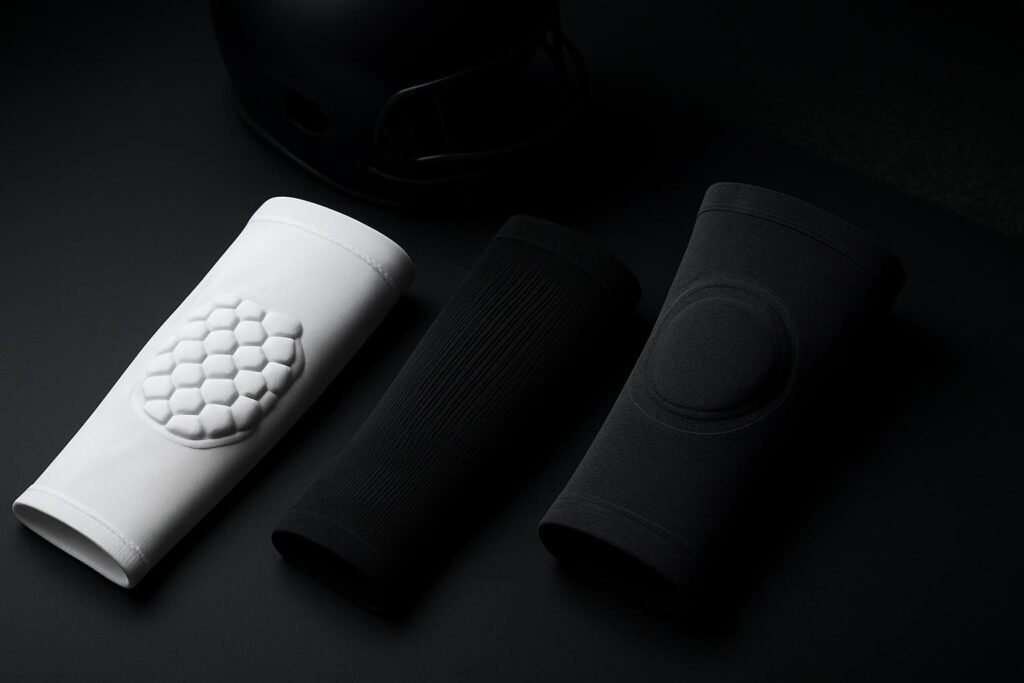
If you watch a modern football sideline in 2026, you’ll notice one thing on almost every player: compression sleeves. From receivers and defensive backs flashing sleek arm sleeves to linemen using calf and knee compression for recovery, sleeves have moved from “nice to have” to “must-have.” This guide breaks down why compression matters for football, how to pick the right sleeve, and the top 5 Amazon picks that balance performance, protection, and recovery. Whether you’re a high school starter, a weekend flag regular, or a strength coach helping a roster stay healthy, you’ll find options that fit your needs and budget.
Why Compression Sleeves Matter in Football (2026 Update)
What Compression Sleeves Actually Do
Compression sleeves gently squeeze a muscle group—like your calf, knee, or forearm—to improve blood flow and reduce muscle vibration. In football, that matters for two big reasons: performance and durability. By stabilizing muscle tissue during bursts, cuts, and tackles, sleeves can help you feel more connected to your movements and reduce “jiggle” that contributes to fatigue. Post-play, better circulation helps move fluid and metabolic waste out of tired areas, supporting faster recovery between reps and between games.
Protection You Can Feel Without Losing Feel
Football is physical. Arm sleeves protect the skin from turf burn, scrapes, and minor contact without a bulky feel. Padded arm sleeves add low-profile cushioning at the elbow and forearm—useful for skill players who leave the ground, and for defenders who tackle with their arms out. Knee sleeves offer joint warmth and gentle support that can make deceleration and change of direction feel more controlled.
Recovery Benefits Between Practices and Games
Many athletes now use compression outside practice. Wearing compression sleeves for 60–120 minutes after training can help reduce swelling and next-day soreness. If you travel for away games, slipping on calf compression for bus or plane rides can reduce heavy legs. The key in 2026 is targeted compression—sleeves that apply the right amount of pressure in the right zones.
2026 Tech Trends Worth Knowing
Newer sleeves use zoned knitting (tighter in key regions, lighter in flex zones), body-mapped ventilation to reduce heat build-up, and snag-resistant yarns that stand up to turf. Many top options also improve moisture-wicking so sweat moves off your skin before it becomes slippery or cold.
How We Chose the Top 5 for 2026
Selection Criteria That Matter for Football
We focused on sleeves that are dependable on the field and helpful in recovery. Our criteria included: (1) targeted compression in the sweet spot for sport use (generally moderate compression for arm and knee sleeves, moderate-to-firm for calf sleeves), (2) durable knit or fabrics that resist snags from turf and equipment, (3) fit options for a wide range of athletes (multiple sizes and clear measurement charts), (4) breathability and moisture control, (5) comfort during sprints and repeated cutting, (6) strong track record with football or other field sports, and (7) availability on Amazon.com in 2026.
The Right Compression Level
Most sport sleeves don’t list exact mmHg pressure, but quality brands design them around typical ranges. For football: arm sleeves and knee sleeves usually feel like moderate compression (enough to “hug” without restricting motion), while calf sleeves often run moderate-to-firm to reduce muscle oscillation during sprinting. If a sleeve feels like it’s pinching or tingling, it’s too tight or the wrong size.
Sizing Basics and Fit Tips
Measure with a flexible tape, and follow the brand’s chart—don’t guess. For arm sleeves, measure biceps and forearm circumference. For calf sleeves, measure the widest part of your calf. For knee sleeves, measure around the knee joint or thigh area as directed. If you’re between sizes, most brands recommend the smaller size for more compression, larger for comfort. Football tip: for game day, you want “snug but not numbing.” For post-play recovery, you can wear either the same size or one step looser for comfort.
Care and Maintenance for Game-Ready Compression
Wash inside a mesh bag, cold water, gentle cycle. Air dry only—heat can kill elasticity. Avoid fabric softeners. Rotate two pairs if you train daily to preserve elasticity. Inspect for snags after turf-heavy sessions and trim loose threads rather than pulling them.
Top 5 Compression Sleeves for Football Players in 2026 (Amazon Picks)
1) McDavid HEX Padded Arm Sleeve (Shooter/Forearm Elbow Pad)
The McDavid HEX Padded Arm Sleeve is a staple for football and basketball because it blends compression with low-profile padding at the elbow and forearm. For football, that means protection against turf burn and contact when you dive or extend through traffic, without losing the quick, free feel you need to catch, throw, or wrap up. The compression itself is moderate—enough to warm the joint, stabilize the soft tissue, and keep the sleeve in place all game.
Best for: Wide receivers, tight ends, defensive backs, quarterbacks, and special teams players who dive or get dragged down. Linemen who want light protection without bulk also like it for practice.
Standout features: The HEX foam pads absorb impact and help against scrapes. The fabric is breathable and stretches smoothly so it won’t bunch at the elbow. The sleeve’s grip stays put without painful squeezing, and the knit resists snagging better than many generic alternatives.
On-field feel: You get a streamlined arm that’s warm but not hot, with enough friction to help the ball stick on your forearm when cradling through traffic. Catching, throwing, and tackling feel natural. The padding doesn’t interfere with movement and helps on turf.
Sizing and fit tips: Measure your bicep at its fullest point. If you’re between sizes, choose the smaller size for a locked-in fit on game day. If using primarily for recovery or light protection, the larger size can feel easier to wear longer. If you plan to wear over a base layer, size accordingly.
Potential drawbacks: Not a medical brace—this is a compression sleeve with padding, not a fix for serious elbow issues. The HEX foam is protective but thin; for heavy trench warfare, you may want additional padding. As with any sleeve, size carefully to reduce slippage.
Who should pick it: Skill players who take contact at speed, and anyone sick of turf burn. If you want a trusted padded sleeve that won’t change your mechanics, this is a proven choice with football DNA.
2) CEP Compression Calf Sleeves 4.0

CEP’s 4.0 calf sleeves are designed with medical-grade precision in mind, and it shows in their consistent pressure profile and superb durability. Football players use them for speed work, conditioning, and full games to calm calf vibration during sprints and cuts. They also shine for recovery—throw them on after practice or on the bus to away games to help reduce swelling.
Best for: Running backs, wide receivers, defensive backs, quarterbacks who scramble, linebackers who chase, and kickers/punters who want a stable strike. Great for anyone cramping late in games or coming back from minor calf strains.
Standout features: Graduated compression supports circulation and muscle performance. The 4.0 update improves breathability with better ventilation zones and a softer, more sweat-wicking interior. Seam quality is excellent, and the knit holds shape wash after wash. CEP also provides one of the most accurate sizing systems in sport compression.
On-field feel: Calf muscles feel “quiet” during top-speed work, and late-game legs feel less heavy. The fabric stays smooth against the skin; no hot spots or scratchy seams. Inside a football sock, the sleeves feel secure, not bulky.
Sizing and fit tips: Use CEP’s calf circumference chart. Measure the widest point of your calf in the morning for a more accurate baseline. If you’re sprint-heavy, aim for the snugger end of your range; for recovery-only use, you can go slightly more relaxed.
Potential drawbacks: Premium price. If you have very large calves, double-check the size chart; you may need to order from the top end of the range. Also, these are sleeves, not full socks—pair with your preferred football socks.
Who should pick it: Speed positions and anyone who wants a reliable, durable calf sleeve for both game day and recovery. If you’ve tried cheaper calf sleeves and felt no difference, CEP is a worthy upgrade.
3) 2XU Compression Calf Guards
2XU is known for high-performance compression that balances firm support with light weight. Their calf guards are a favorite for athletes who want a close, supportive feel that doesn’t trap heat. Compared with many budget sleeves, 2XU’s knit and yarns hold their compression longer and handle turf wear well.
Best for: Multi-position athletes, special teams, and players who mix football with track or conditioning. Excellent for receivers and DBs who hit maximum velocity and want a sleeve that disappears on the leg while still cutting down vibration.
Standout features: High-filament yarns resist sweat saturation and dry fast. The panels are shaped for the calf so they don’t twist or roll. Compression is firm but comfortable, and the guards slide cleanly under game socks.
On-field feel: Very light and “cool,” with zero flapping or bouncing. They’re especially good in hot climates or early-season two-a-days where heat management matters. Post-practice recovery is solid; legs feel more refreshed the next morning.
Sizing and fit tips: Measure carefully and choose a firm fit for game day if your position depends on speed. If you often wear thick socks, try the calf guards under the sock during fitting to confirm comfort.
Potential drawbacks: 2XU can feel tighter than casual compression brands; if you dislike a firm squeeze, you may prefer a slightly larger size or a different sleeve like Zensah or Physix Gear (both also on Amazon). The branding is bold if you’re trying to match a strict uniform look.
Who should pick it: Athletes who want a pro-grade, fast-feeling calf sleeve that lasts longer than budget options and stands up to frequent use.
4) Bauerfeind Sports Knee Support
This is a premium knee sleeve for athletes who want reliable, all-game support without the bulk of a brace. The Bauerfeind Sports Knee Support combines an anatomical knit with a patella-surrounding gel ring that centralizes the kneecap and helps with tracking. The result is a sleeve that feels supportive, warm, and secure during acceleration, cutting, and deceleration—key movements in football.
Best for: Skill players and linebackers managing mild knee soreness, players returning from minor overuse issues, and anyone who wants a top-tier knee sleeve to stabilize high-speed changes of direction. Also useful for linemen who want warmth and light support without metal stays.
Standout features: Medical-grade build quality, targeted compression zones, and a breathable knit that reduces slip. The gel ring supports patella tracking while allowing full flex and extension. The sleeve’s edges are designed to minimize rolling.
On-field feel: The knee feels “held” without being restricted. Players report more confidence planting and turning, and less post-game stiffness. The sleeve stays put under football pants and doesn’t catch on pads.
Sizing and fit tips: Measure according to Bauerfeind’s chart (usually around the thigh and calf at specific distances from the knee). If you’re between sizes, consider the smaller size for game-day support. Ensure you can do a full deep knee bend without pinching behind the knee.
Potential drawbacks: Price is higher than most sleeves. This is still a sleeve—not a ligament brace—so consult a professional for serious injuries. Because the fit is anatomical, measuring accurately is critical.
Who should pick it: Players willing to invest in a knee sleeve that bridges performance and recovery. If you’ve tried basic knee sleeves and want a noticeable upgrade, this is a standout Amazon find.
5) Under Armour HeatGear Compression Arm Sleeve
Under Armour’s HeatGear arm sleeve is a lightweight, slick-feel compression sleeve that keeps your arm cool while protecting skin from abrasion. It’s a go-to for players who want a non-padded arm sleeve that stays in place and wicks sweat fast. The smooth knit glides against jerseys and helps prevent sticky snags when you’re fighting through hands.
Best for: Quarterbacks, receivers, DBs, and running backs who want light compression and skin protection without padding. Also solid for special teams and 7-on-7 tournaments in hot weather.
Standout features: HeatGear fabric manages heat and moisture, and the sleeve’s finish resists turf fuzz. The compression is moderate and comfortable for long wear. The wide size range fits most athletes, and the sleeve pairs easily with gloves and wrist tape.
On-field feel: Cool, smooth, and distraction-free. You get the arm coverage you want without feeling hot or sticky. The sleeve helps maintain a consistent feel on the ball side of your arm—useful for ball security in traffic.
Sizing and fit tips: Measure your bicep at rest. If you plan to wear a second-skin base layer underneath, consider sizing up. For a locked-in feel as a quarterback or receiver, choose the snugger size if you’re between two options.
Potential drawbacks: No padding, so it won’t soften impacts the way a HEX sleeve does. Durability is good for a fabric sleeve, but heavy turf exposure can still wear it over time; wash and air dry to extend life.
Who should pick it: Athletes who prefer a minimal, cool arm sleeve for speed and ball control, and anyone who trains in heat.
Position-by-Position Guidance
Receivers and Defensive Backs
Go light on the arm and firm on the calves. A non-padded or thin-padded arm sleeve keeps skin safe without altering catch mechanics. Calf sleeves like CEP or 2XU help you hit and hold top speed while reducing late-game cramps.
Running Backs
Padded arm sleeves help with ball security and protection when fighting through contact. Calf compression is helpful for burst and recovery. If you’ve had knee soreness, a high-end knee sleeve can make cuts feel smoother.
Quarterbacks
A smooth arm sleeve (like Under Armour’s HeatGear) supports consistent feel on the ball and guards against turf burn on slides. If you run often, a calf sleeve adds stability. Focus on comfort so your throwing motion stays natural.
Linebackers and Edge Rushers
Consider padded arm sleeves for contact and abrasion protection. Calf sleeves help for chase plays and special teams. If you have knee twinges after heavy change-of-direction work, the Bauerfeind knee sleeve is a worthwhile add.
Offensive and Defensive Linemen
Knee warmth and stability are key—look at a premium knee sleeve if budget allows, or a sturdy basic compression knee sleeve from a reputable brand on Amazon. Padded arm sleeves can limit turf rash during scrums and falls. Calf sleeves help with conditioning and long practice blocks.
How to Use Compression on Game Day and for Recovery
Pre-Game Routine
Put sleeves on 15–30 minutes before warm-ups so your muscles and joints are warm and ready. For calves and knees, check range of motion—do a few full-speed sprints and cuts to confirm no restriction. If a sleeve slides during warm-up, reassess your sizing.
During the Game
Keep the sleeves dry as possible between series; use a towel on hot days. If you’re using a padded arm sleeve, quickly brush turf pellets away after contact to keep the fabric clean. Avoid pulling at the top band—repeated yanking stretches it out.
Post-Game and Travel
Wear your calf sleeves or knee sleeve for 60–120 minutes post-game to help reduce swelling. On long bus or plane rides, compression can help keep legs light. Once home, wash and air dry so the elastic doesn’t break down before your next practice.
Common Mistakes to Avoid
Guessing Your Size
Compression works only if the fit is right. Measure with a tape and follow each brand’s chart—brands don’t size the same. Trying to “make a size work” leads to slipping, rolling, or numbness.
Using Compression as a Brace
Sleeves support circulation, warmth, and mild joint control. They aren’t a substitute for a medical brace or rehab. If you have sharp pain, instability, or a known injury, see a sports medical professional.
Overheating in the Wrong Fabric
Choose breathable, moisture-wicking sleeves for hot climates. If you play summer 7-on-7, a lighter arm sleeve is better than a heavyweight one. For cold games, compression still helps—just layer smartly with your base gear.
Budget vs. Premium: What You’re Paying For
Budget Sleeves
Affordable options often deliver basic compression and protection but may lose shape faster or feel hotter. If you’re new to compression, a budget sleeve can be a low-risk trial, but expect to replace more often if you train daily.
Premium Sleeves
Brands like CEP, 2XU, Bauerfeind, and McDavid use better yarns, knits, and patterning. You’ll typically get more consistent compression, better breathability, and a longer lifespan. If you play or train multiple times per week, premium sleeves are usually more cost-effective over a season.
Quick Picks by Need
Best Overall Calf Sleeve for Speed and Recovery
CEP Compression Calf Sleeves 4.0—consistent compression, excellent durability, great for both game day and recovery.
Lightest-Feeling Calf Sleeve
2XU Compression Calf Guards—cool, fast-drying, and supportive for top speed.
Best Padded Arm Sleeve for Football Contact
McDavid HEX Padded Arm Sleeve—low-profile protection that feels natural on catches and tackles.
Best Minimal Arm Sleeve for Heat and Feel
Under Armour HeatGear Compression Arm Sleeve—slick, cool, and stays put.
Best Knee Sleeve for Support Without Bulk
Bauerfeind Sports Knee Support—premium build that stabilizes and boosts confidence on cuts.
How to Read Amazon Reviews as an Athlete
Look for Position and Use Case
Reviews from runners, basketball players, and soccer athletes are still useful, but prioritize feedback from football players or field-sport athletes who sprint and cut. Their comments on heat, slippage, and durability translate best.
Ignore One-Use Complaints if You Train Hard
If you practice five days per week, durability matters. Pay attention to reviewers who use sleeves multiple times per week and still report strong compression and shape retention after dozens of washes.
Check Return Policies and Size Exchanges
Because fit is everything, choose listings with easy exchanges if the sleeve doesn’t fit perfectly the first time. Don’t settle for a size that slides or pinches.
Frequently Asked Questions
Can I wear compression sleeves under my pads and uniform?
Yes. Most are designed to be worn under football pants, socks, and shoulder or elbow padding. Make sure the sleeve doesn’t bunch at flex points and that your range of motion is full during warm-ups.
Will compression sleeves stop cramps?
No single tool prevents cramps. Good hydration and electrolytes matter. Compression can help reduce muscle vibration and improve circulation, which may help delay fatigue. Many players find sleeves reduce late-game cramping, but they aren’t a guarantee.
Should I wear compression after practice?
Yes. Wearing calf or knee compression for 1–2 hours post-practice can help reduce swelling and soreness. Don’t sleep in tight compression unless a medical professional advises it.
Are copper-infused or “cooling” sleeves better?
The biggest factor is fit and compression profile, not additives. Some cooling yarns feel nice in heat, but consistent pressure and breathable knit matter more for performance and recovery.
Putting It All Together
How to Build Your Personal Sleeve System
Pick one arm sleeve (padded or minimal), one pair of calf sleeves, and one knee sleeve if you want joint confidence. Use calf sleeves for all sprint-heavy training and games, the arm sleeve for protection and ball feel, and the knee sleeve when you need extra support. Keep a second set for recovery days and travel. Rotate and wash properly to maintain compression.
A Week in the Life Example
Monday speed day: CEP or 2XU calf sleeves for the session; Under Armour arm sleeve for skin protection; knee sleeve if you’re managing soreness. Recovery: keep calf sleeves on for 90 minutes post-session.
Wednesday practice: McDavid HEX padded arm sleeve for contact; calf sleeves again. Post-practice: recovery compression for an hour.
Friday game: your best-fitting set. Post-game: recovery compression during bus ride home. Saturday: light mobility, optional recovery sleeves. Sunday: rest and wash gear.
Conclusion
Compression sleeves aren’t magic, but they’re one of the simplest, most reliable tools to help football players move better and feel better—during the game and long after the whistle. The five picks above from Amazon.com cover the needs of real football athletes: padded protection without bulk (McDavid HEX), minimal arm coverage that stays cool (Under Armour HeatGear), firm and consistent calf support for speed and recovery (CEP and 2XU), and a premium knee sleeve that stabilizes without turning into a brace (Bauerfeind Sports Knee Support).
Choose based on your position, fit them carefully, and care for them the right way. When you do, you’ll get sleeves that last a season or more, help you feel sharper in the fourth quarter, and make Mondays less sore. In a sport decided by inches and milliseconds, that edge matters.